
Can Dogs Eat Barley?

If you’re looking closely at what goes into your dog’s food, barley might be one of the ingredients that catches your attention. With so much discussion around grain-free diets and ingredient quality, it’s natural to want a clearer understanding of how this cereal grain fits into your dog’s diet.
In this article, we’ll explain whether barley is safe for dogs, why it’s used in dog food, and what health benefits it may offer. We’ll also go over potential risks, grain-free versus grain-inclusive diets, and how to introduce barley in a way that supports your dog’s health and nutritional needs.
Is Barley Safe for Dogs to Eat?
Barley is generally safe for dogs to eat when it’s properly prepared and fed in appropriate amounts. As a cereal grain, barley has been used for centuries in both human foods and animal feed, and it can play a supportive role in a well-balanced diet.
Most healthy dogs can eat barley without any problems, especially when it’s included in high-quality commercial dog food. Barley should always be cooked before feeding, and it should be served plain without added salt, butter, or seasoning.
When introduced slowly and fed in moderate amounts, barley can be a healthy grain option for many dogs.
Why Barley Is Used in Dog Food
Barley is considered a nutritious grain that provides carbohydrates, dietary fiber, and other nutrients that support a dog’s health. In many dry dog food formulas, it works alongside meat-based protein to deliver steady energy and balanced nutrition.
When properly sourced and included in the right proportions, whole grains like barley can help meet a dog’s nutritional needs without acting as empty fillers. Like any ingredient, the overall quality of the formula matters most.
Common Forms of Barley
Barley can appear in pet food ingredients in several different forms, and understanding them can help pet parents make informed decisions.
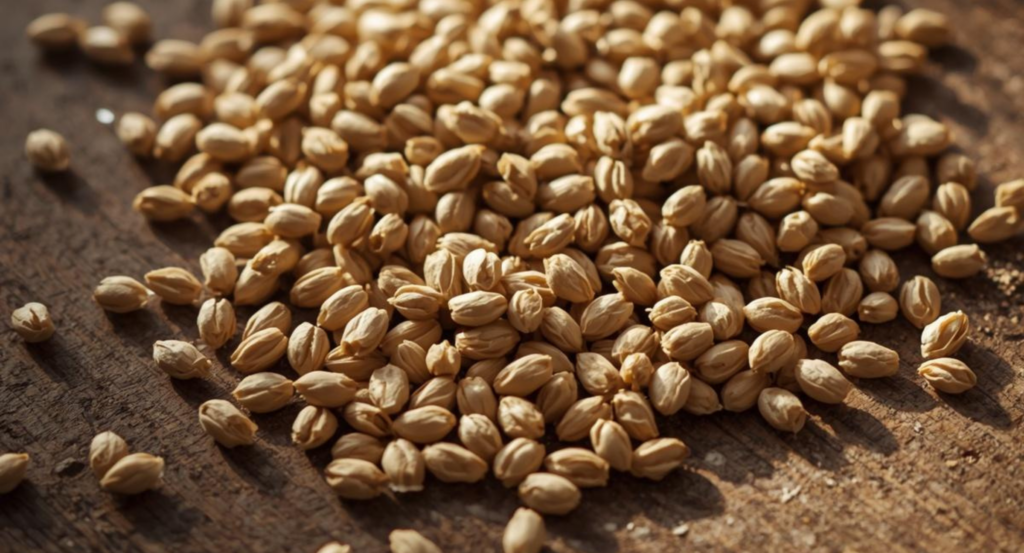
Whole grain barley keeps most of its bran layer and outer husk removed during light processing, which helps preserve dietary fiber and other nutrients. Hulled barley is minimally processed and retains much of the bran layer. Pearl barley has had more of the bran removed, which shortens cooking time but slightly lowers fiber content.
You may also see barley flour listed in dry dog food. Barley flour is made by grinding the grain into a fine powder and is often used to bind ingredients together. Barley grass and barley grass powder come from the young leaves of the plant and are sometimes added for additional nutrients.

Nutritional Value
Barley is rich in dietary fiber, including both soluble fiber and insoluble fiber. Soluble fiber helps regulate blood sugar levels by slowing glucose absorption, while insoluble fiber supports the digestive system and promotes regular bowel movements.
Barley also contains B vitamins, vitamin E, and other nutrients that help support red blood cells and overall health. Compared to other grains like wheat or rice, barley has one of the lowest glycemic indexes, which may help regulate blood sugar levels in some dogs, including certain diabetic dogs under veterinary supervision.
Health Benefits of Barley for Dogs
When fed in moderate amounts, barley offers several health benefits. It does more than provide calories and can support digestion, blood sugar balance, and weight management.
Understanding how barley works inside your dog’s digestive system can help you decide whether adding barley or choosing a dog barley formula makes sense for your pet’s diet.
Digestive Support
Since barley contains both soluble fiber and insoluble fiber, it supports the digestive system in different ways. Soluble fiber absorbs water and forms a gel-like texture that can help regulate stool consistency and support beneficial gut bacteria.
Insoluble fiber adds bulk to stool and may act as a natural laxative in some dogs. Small amounts of cooked barley may be easier for some dogs to tolerate, but introduce it gradually and monitor for any digestive changes. However, too much fiber can cause gastrointestinal upset or stomach upset, so it’s important to avoid too much barley.
Blood Sugar Balance
Because barley has a relatively low glycemic index compared with many common grains, it may help regulate blood sugar levels by slowing carbohydrate absorption. This can lead to a steadier release of energy rather than sharp spikes.
For diabetic dogs, carefully measured portions of whole grain barley may support more stable blood sugar when approved by a veterinarian. Monitoring during the first few hours after introducing barley is especially important.
Weight Management
If your dog needs help with weight management, fiber-rich grains like barley can help them feel full longer. The combination of complex carbohydrates and dietary fiber slows digestion and promotes satiety.
This can be helpful when feeding calorie-controlled dog food. By helping your dog feel satisfied, barley may support maintaining a healthy body condition while keeping your pup happy and active.
Potential Risks and When to Be Cautious
Although barley is safe for most dogs, it isn’t ideal for every situation. Some dogs may experience digestive upset, allergic reactions, or sensitivity to grains.
It’s important to pay attention to how your dog responds when introducing barley and to understand when caution is needed. If in doubt, it’s always best to consult with your vet.
Gluten Intolerance and Sensitivity
Barley contains gluten, so it’s not gluten-free. Dogs with gluten intolerance or gluten sensitivity may develop stomach upset, diarrhea, or skin irritation after eating barley.
While gluten intolerance is less common in dogs than in humans, sensitive dogs can still react. If your veterinarian recommends a gluten-free diet, barley should not be included in your pet’s diet.
Food Allergies and Digestive Issues
Food allergies to barley are uncommon, but they can happen. Signs may include itchy skin, ear infections, digestive upset, or gastrointestinal upset within a few hours of eating.
If food allergies are suspected, your veterinarian may recommend an elimination diet. In that case, avoiding barley and other grains can help determine whether barley is contributing to allergic reactions.
Overfeeding Concerns
Even a healthy grain can cause problems if fed in excess. Too much barley or too much fiber may lead to bloating, loose stools, or stomach upset.
Barley should not become the primary source of calories. Dogs need meat-based protein as the foundation of their diet, with grains playing a supporting role. Feeding moderate amounts and sticking to appropriate amounts helps keep the digestive system balanced.
Grain-Free vs. Grain-Inclusive Diets
The discussion around grain-free versus grain-inclusive dog food is ongoing. Some pet parents avoid grains like barley, wheat, or rice because of concerns about food allergies or digestive problems.
However, whole grains such as barley can provide valuable nutrients and dietary fiber. For many dogs, a grain-inclusive formula that uses a healthy grain like whole grain barley can support a well-balanced diet. The best choice depends on your dog’s individual nutritional needs and how they respond to certain foods.
When reviewing options, always check ingredient lists closely. Learning how to read a pet food label can help you understand how barley and other grains fit into the overall formula.
How to Add Barley to Your Dog’s Diet Safely
If you’re thinking about introducing barley, do it gradually. Sudden changes in foods can cause digestive upset, especially in dogs with sensitive stomachs.
Taking a gradual approach gives your dog’s digestive system time to adjust and helps reduce the risk of gastrointestinal upset.
Choose High-Quality Dog Food with Barley
One of the easiest ways to feed barley is by choosing a complete and balanced commercial dog food that already includes it in the right proportions. Here’s what to look for:
- Start with complete nutrition. Choose a formula where barley appears alongside meat-based protein and other nutrients. This helps ensure barley supports your dog’s diet rather than replacing essential components.
- Look for whole grain sources. Whole grain barley or hulled barley retain more dietary fiber and nutrients than heavily processed forms like pearl barley or refined barley flour.
- Transition gradually. Mix the new dry dog food with your current food over several days. This allows your dog’s digestive system to adjust and reduces the risk of stomach upset.
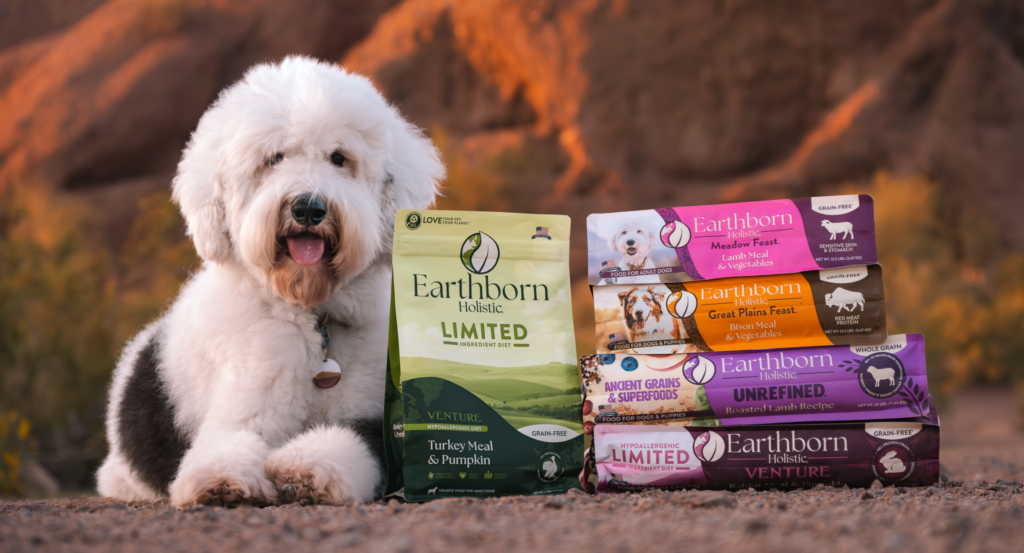
At Earthborn Holistic, our Ancient Grains Dog Food Recipes include carefully selected whole grains such as barley to support a well-balanced diet. These formulas are designed to meet your dog’s nutritional needs while providing quality ingredients in appropriate amounts.
Add Barley at Home Carefully
If you choose to cook barley for your dog at home, proper preparation is key. Always cook barley thoroughly, as raw grain is much harder for dogs to digest.
Serve plain barley without adding salt, butter, or spices. Begin with small portions and keep an eye on your dog for any signs of digestive issues or allergic reactions within the first few hours. Remember, barley should complement a complete and balanced dog food, not replace it.
When to Avoid Barley
Barley may not always be the best choice for your dog. As mentioned earlier, dogs with gluten intolerance, severe food allergies, or gastrointestinal issues may require a more specialized diet.
Dogs recovering from illness or medical procedures may also require easily digested foods temporarily. If you notice persistent stomach upset, allergic reactions, or changes in stool after introducing barley, talk to your vet before continuing.
Key Takeaways
- Most dogs can eat barley. When properly cooked and fed in moderate amounts, barley is generally safe for healthy dogs. It provides dietary fiber, B vitamins, vitamin E, and other nutrients that support overall health.
- Fiber supports digestion and balance. The soluble fiber and insoluble fiber in barley help regulate bowel movements and may assist in regulating blood sugar levels. However, too much barley or too much fiber can cause digestive upset or gastrointestinal upset.
- Some dogs should avoid it. Dogs with gluten intolerance, gluten sensitivity, or certain food allergies may need to avoid barley. Always consider your dog’s individual nutritional needs before introducing new foods.
Is Barley a Good Choice for Your Dog?
So, can dogs eat barley? For many healthy dogs, the answer is yes. As a nutritious grain, barley can support digestion, weight management, and steady energy when included in a well-balanced diet.
The key is careful selection and appropriate amounts. By reviewing ingredient labels, choosing high-quality dog food, and watching how your dog responds, you can decide whether barley is a good fit for your pet’s diet and long-term health.