Is It Bad to Give My Cat Treats Everyday? What Vets Actually Say
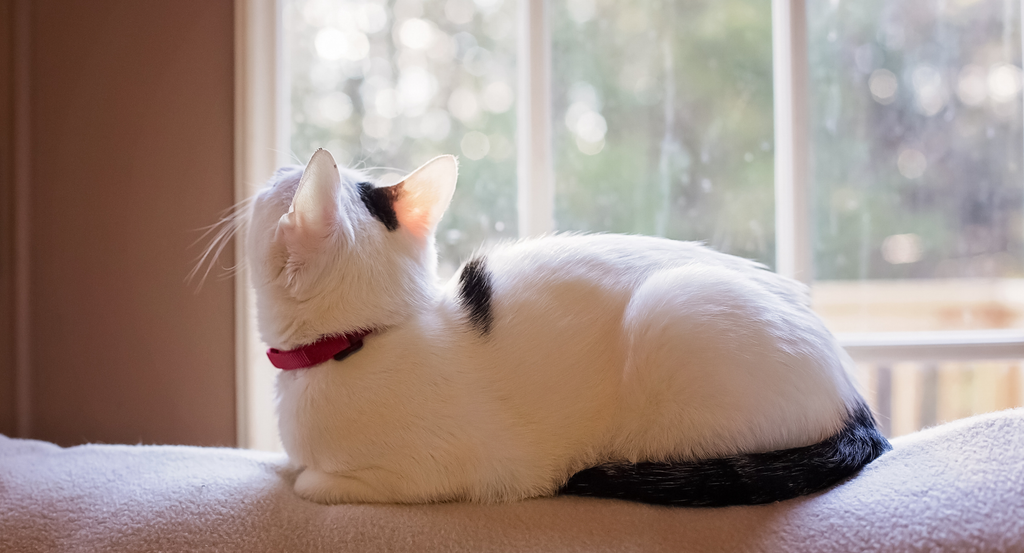
Most pet parents love spoiling their furry family members, and treats are one of the easiest ways to show a little extra love. But it’s worth asking: is it bad to give my cat treats every day? The short answer is that daily treats aren’t the problem — uncounted calories are. Veterinary guidelines generally agree that treats should make up no more than 10% of your cat’s daily calorie intake, with the remaining 90% coming from complete and balanced cat food.
So, how many treats should a cat have a day? That number looks different for every cat. Size, activity level, and the calorie count of each treat all play a role. Whether you’re looking for low calorie cat treats, searching for vet recommended cat treats, or wondering if cats can have dog treats, this guide walks you through what a safe daily treat routine actually looks like — without tipping your cat’s nutrition out of balance.
Is It Bad to Give Your Cat Treats Every Day?
“Treats should be limited to 10% of your cat’s daily calorie intake.” — LifeLearn Animal Health, Content author
Giving your cat a treat every single day isn’t automatically a bad habit. For a healthy adult cat with no weight problems, a small daily treat fits comfortably into a normal routine — as long as portions stay modest and regular meals still do the heavy lifting.
Daily Treats Can Be Fine for Healthy Cats
Treats serve more than taste alone. They work as training aids, reward good behavior, and offer mental stimulation that strengthens the bond between you and your cat. A cat isn’t harmed by a daily treat; the real trouble starts when casual snacking becomes excess rather than a measured reward. That distinction matters more than it sounds. More than half of pets in the U.S. carry too much weight, and uncounted daily snacks are part of that story.
The Treat Rule Explained: Keep Extras Below 10% of Daily Calories
Most veterinary sources land on the same figure: treats should account for less than 10% of your cat’s total daily calorie intake. Some vets recommend an even tighter 5% target, leaving more room for nutritional balance. Others, including Cornell Feline Health Center and PDSA, work within a slightly wider window of 10 to 15%. Wherever your cat falls within that range, the remaining 85 to 90% of daily calories still needs to come from regular meals.
This isn’t a one-size-fits-all number either. Treat allowances shift with bodyweight and energy needs, which is why a quick conversation with your vet before setting a daily limit makes sense.
Why Complete and Balanced Food Must Stay the Main Diet
Treats, snacks, and foods used to hide medication aren’t designed to meet a cat’s full nutritional needs on their own. Only food labeled “complete and balanced” has passed AAFCO’s nutrient profiles or feeding trials — meaning it’s the only option built to sustain long-term health. Products labeled “complementary” are meant to stay occasional, not become a daily staple.
Cats are obligate carnivores. Their bodies need specific nutrients like taurine and arginine that are built into complete cat food — not into treats. This is also why dogs treats and table foods like pretzels aren’t a safe swap. Neither is formulated with a cat’s nutrient profile in mind, and both pull from that already limited treat allowance without offering anything nutritionally in return.
How Many Treats Should a Cat Have a Day?
Once you know daily treats can fit into your cat’s routine, the next question is practical. It comes down to math, not guesswork.
Find Your Cat’s Daily Calorie Needs
Your vet can give you the total calories your cat needs each day, and that number becomes the foundation for any treat budget. Calorie needs can vary as much as 50% above or below a standard estimate depending on body condition, activity level, and age. A chart is a starting point — your vet’s assessment is the real guide.
Treat Size vs. Treat Count
Counting pieces doesn’t tell you much. A single large biscuit and a handful of kibble pieces can carry the same calorie load. What actually matters is the calorie content printed on the label. Some treats run one to two calories each, while others reach five to ten per piece. That difference adds up fast.
How to Calculate the Daily Limit
The math is straightforward. Take 10% of your cat’s daily calorie needs, then divide by the calories per treat. A typical 11-pound cat needing 300 calories daily gets a 30-calorie treat allowance — roughly 10 treats if each piece carries 3 calories. Check the label, run the numbers, and you’ll have a clear daily limit to work with.
Sample Treat Limits by Cat Size
| Daily Calories | 10% Treat Budget | 15% Treat Budget |
| 180 kcal | 18 kcal | 27 kcal |
| 220 kcal | 22 kcal | 33 kcal |
| 260 kcal | 26 kcal | 39 kcal |
At 220 kcal/day, that works out to about 11 treats if each piece runs 2 kcal. Every cat is a little different, so use these figures as a reference point rather than a hard rule.
Toppers, Pill Pockets, and Table Scraps Count Too
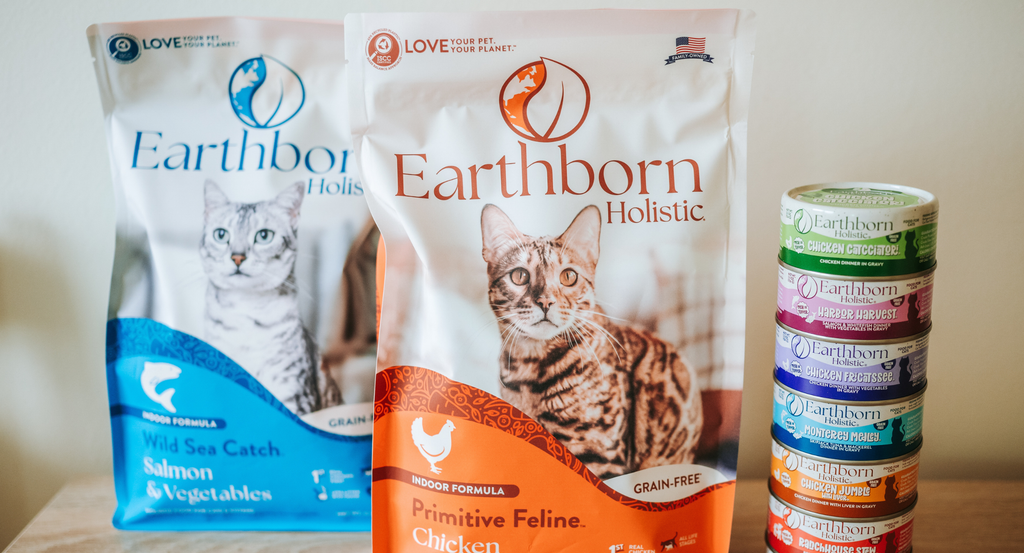
This part catches many pet parents off guard. Toppers, pill pockets, and table scraps all come out of the same 10% daily ceiling — they don’t get their own separate allowance.
Pill pockets still count. Even when vets recommend them for giving medication, those calories are treat calories.
Keep table scraps tiny. Smaller than a pinky fingernail is a good rule of thumb to avoid overloading that daily budget.
Staying aware of everything going into your cat’s bowl — beyond just the main meal — is what keeps that 10% from quietly creeping up.
Healthier Treat Options for Your Cat
Not all treats carry equal nutritional weight. Knowing what to look for on a label makes a real difference for your cat’s health — and takes the guesswork out of the treat aisle.
Choosing Low Calorie Cat Treats: What to Check on the Label
Low calorie cat treats typically run 1 to 2 calories per piece. That number on the label matters far more than marketing words like “light” or “lower calorie,” which aren’t held to a strict standard. Here’s what to look for:
- A named animal protein first. Chicken, turkey, or salmon listed as the first ingredient signals a protein-forward option that suits a cat’s natural biology.
- Simple, recognizable ingredients. Vague terms like “animal digest” are worth avoiding.
- No red flags. Excess sodium, added sugar, and artificial dyes are all warning signs worth taking seriously.
Plain Cooked Meat: Small Portions Without Bones or Seasoning
Plain cooked chicken, turkey, fish, or beef is one of the safest treat options for a healthy cat. The key is keeping it thoroughly cooked, deboned, and completely free of skin, seasoning, or added oils. A 1-inch cube is already a generous serving for most cats. Raw meat should stay off the menu entirely — it can carry bacteria that’s harmful to cats and the people handling it.
Using Kibble as Treats: Set Aside Part of the Daily Meal
Setting aside a small portion of your cat’s regular kibble is one of the simplest treat strategies around. It’s already complete and balanced, so it won’t push past that 10% ceiling. It also solves a common household problem — when multiple family members are offering snacks throughout the day, calories add up fast without anyone realizing it.
Vet Recommended Cat Treats for Cats on Special Diets
For cats managing a health condition, treat choices get more specific. Cats working through weight issues need low-calorie, high-protein options. Kidney disease calls for low-phosphorus choices. Diabetes rules out high-carbohydrate treats altogether. Every cat is different, and a vet can point you toward a prescription treat formulated to pair safely with a therapeutic diet. When in doubt, that conversation is always worth having.
How to Keep Daily Treats From Becoming a Problem
Treat timing matters almost as much as treat quantity. Spreading small rewards throughout the day, rather than handing everything out at once, keeps your cat satisfied without blowing past that calorie ceiling. Some pet parents offer one biscuit in the morning, while others break a small handful of kibble into pieces and give them one or two at a time.
Multi-person households are where treat budgets quietly fall apart. When everyone in the family loves the cat, everyone tends to feed the cat. Keeping one shared container for the day’s treat allowance is a simple way to stop the calories from doubling up without anyone realizing it.
Your cat’s behavior and body will tell you if things are drifting in the wrong direction. Watch for these warning signs:
- Weight gain or a rounder midsection — a common first clue that daily extras are adding up
- Less interest in regular meals — treats may be filling the appetite before mealtime
- More begging than usual — this can signal that snacking has become a routine expectation
- Loose stool after certain treats — a sign that something in the treat isn’t agreeing with your cat’s digestive system
Multiple episodes of vomiting or diarrhea in a single month, or any noticeable drop in appetite, calls for a vet visit rather than a wait-and-see approach.
A few other things worth keeping in mind:
Kittens need smaller, softer pieces. Once a kitten is eating solid food, treats can be introduced, but portions need to stay tiny.
Senior cats deserve extra attention. Aging cats managing ongoing conditions benefit from a geriatric exam every year, with six-month checkups recommended for those with health concerns.
Play counts as enrichment, too. Once the daily treat allowance is gone, a wand toy or a few minutes of one-on-one attention often satisfies a cat just as well as another snack. Cats that beg out of boredom or habit respond to engagement, not just food.
Conclusion
Daily treats aren’t the enemy — uncounted calories are. Keeping rewards within that 10% ceiling, reaching for protein-forward options, and letting complete and balanced food do the heavy lifting, your cat gets the best of both worlds: a little daily joy and a diet that actually supports their health.
Portion control comes down to math and awareness, not deprivation. A quick conversation with your vet to nail down your cat’s daily calorie needs is all it takes to turn treat time into something you can feel good about. As a pet parent, those small, thoughtful choices add up to a happier, healthier cat — and that’s always worth it.