
Is Lamb Good for Dogs?
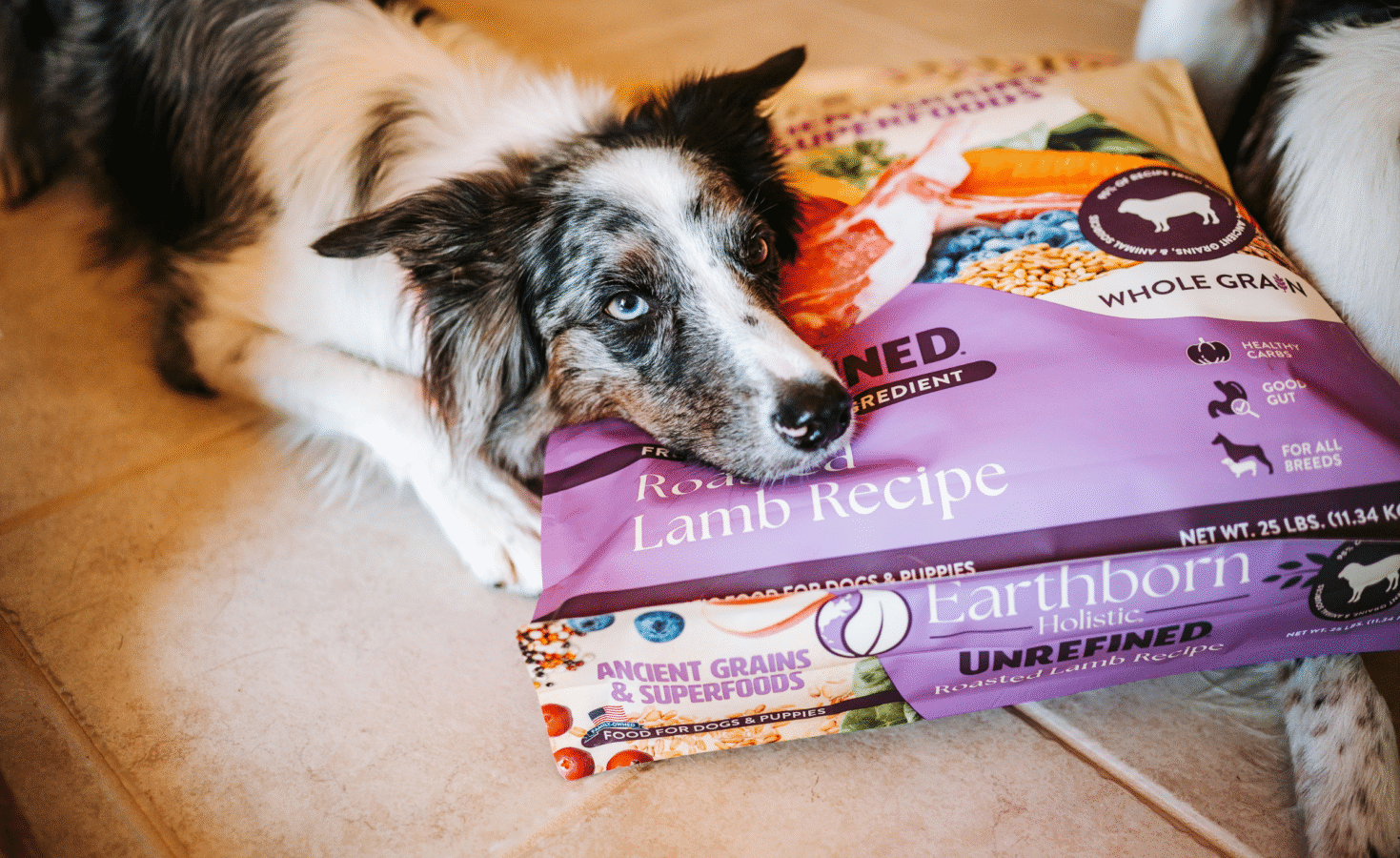
Lamb has long been a staple protein in human diets, valued for its rich flavor and nutrient-dense profile. As a red meat, it provides a range of essential nutrients that support muscle maintenance, energy levels, and overall health. Because of these qualities, lamb has also become a common ingredient in many dog foods and treats.
In this article, we’ll look at whether dogs can eat lamb safely, the nutritional benefits of lamb, and situations where it may or may not be the right fit. We’ll also cover risks, portion sizes, and the best ways to feed lamb as part of a balanced diet so you can make confident choices for your dog’s health.
Why Lamb Is Commonly Used in Dog Food
Lamb is widely used in dog food because it offers a nutrient-rich alternative to more common proteins like chicken or beef. Many pet parents turn to lamb-based dog food when their dog shows signs of food sensitivities or struggles with other proteins.
Its appeal also comes from taste and digestibility. Many dogs enjoy the flavor, which makes it helpful for picky eaters or dogs with a reduced appetite. High-quality lamb provides essential nutrients that support energy levels, immune function, and balanced nutrition.
Can Dogs Eat Lamb Safely?
Most dogs can eat lamb safely when it’s prepared properly and fed in appropriate amounts. Plain lamb meat without seasoning is generally safe for dogs and can be a healthy addition to a dog’s diet when introduced gradually.
Issues tend to come from preparation and portion size. Lamb bones, especially cooked bones, can splinter and cause choking or digestive problems. Fatty cuts may also lead to digestive upset, so care is needed when you feed your pup lamb.
Nutritional Benefits of Lamb for Dogs
Lamb offers numerous health benefits for dogs when it’s part of a balanced diet. It contains essential nutrients that support growth, daily maintenance, and long-term health. Here are a few of the main health benefits that lamb provides for dogs:
High-Quality Protein and Essential Amino Acids
Lamb provides high-quality protein that helps maintain lean muscle and supports a healthy weight. Protein is built from amino acids, including essential amino acids that dogs must get from food.
These amino acids support tissue repair, immune systems, and normal growth across every dog’s age. For many dogs, lamb meat is easier to digest than other proteins, making it a practical option for meeting daily protein needs.
Healthy Fats and Fatty Acids
The fat found in lamb supplies healthy fats that help fuel the body and aid nutrient absorption. Dietary fats also support a dog’s brain, skin, and coat health when included in proper amounts.
In addition, lamb contains beneficial fatty acids that help support immune function and manage inflammation. Although lamb is a red meat, balanced portions can support steady energy levels without contributing to excess weight.
Vitamins and Minerals That Support Dog Health
Lamb is a natural source of B vitamins, which play a role in energy metabolism and red blood cell production. These nutrients support the nervous system and help convert food into usable energy.
It also contains minerals like zinc and iron that support immune systems and oxygen transport. Grass-fed, high-quality lamb can be especially nutrient-rich, offering strong nutritional benefits for many dogs.
Is Lamb a Good Choice for Dogs With Allergies?
Lamb is often considered a novel protein, particularly for dogs that have mainly eaten chicken or beef. For dogs with allergies or food sensitivities, switching to lamb-based food may help reduce issues like itching, ear infections, or digestive upset.
That said, lamb is not automatically safe for every dog with allergies. Some dogs can still have an allergic reaction, so it’s important to introduce it slowly and watch for any signs of sensitivity.
Potential Risks and Safety Considerations
While lamb is safe for dogs in many cases, there are some risks to be aware of. Lamb bones can cause choking or internal injury, and raw bones come with bacterial risks that can be harder on dogs with sensitive digestion.
Fat content is another factor to consider. Too much lamb fat may lead to digestive upset or unwanted weight gain. Raw lamb also carries risks associated with raw feeding, which may not be appropriate for most dogs without veterinary guidance.
Feeding Lamb to Your Dog the Right Way
How lamb is fed matters just as much as whether it’s fed at all. Preparation, portion size, and the form of lamb you choose all influence how well your dog tolerates it. Here are a few important points to keep in mind when feeding lamb to your pup:
Cooked Lamb Versus Raw Lamb
Cooked lamb is generally safer for most dogs than raw lamb. Cooking reduces the risk of harmful bacteria and makes the meat easier to digest, especially for senior dogs or those with sensitive stomachs.
Raw lamb may appeal to pet parents interested in raw feeding, but it comes with added risks. If raw meat or raw bones are involved, proper handling and veterinary input are essential to avoid health problems.
Lamb Dog Food and Treats
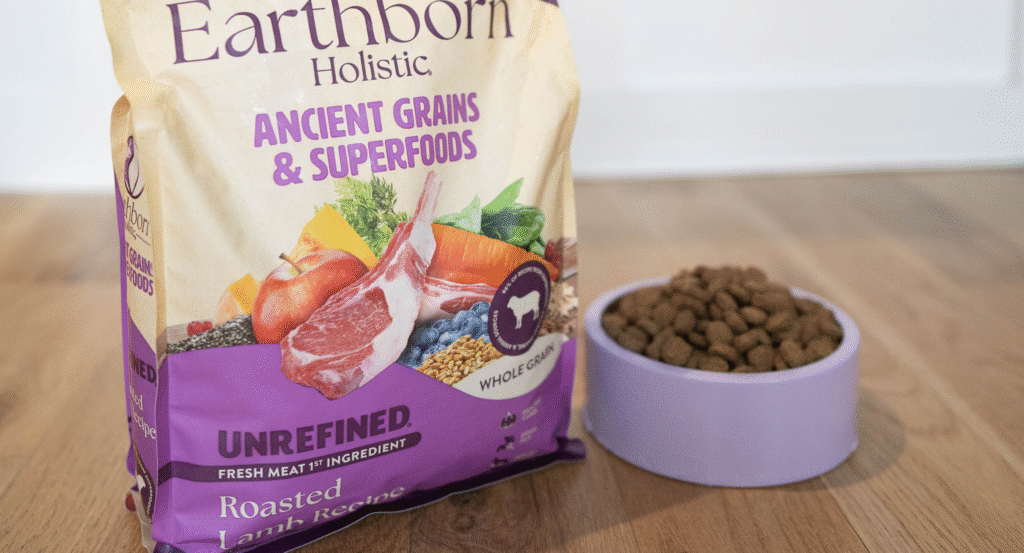
Want an easy way to add lamb to your dog’s diet? Lamb-based dog food recipes are formulated to meet complete dietary needs, making it simple to include lamb as part of a balanced diet. Just make sure to check the label to ensure lamb is the primary protein source.
At Earthborn Holistic, we offer several lamb-based options designed to provide balanced nutrition with simple, purposeful ingredients:
- Dry Food. Our Unrefined Roasted Lamb Recipe features grass-fed, free-range lamb as the very first ingredient. It’s packed with ancient grains, added taurine, and beneficial pre- and probiotics to support your dog’s overall health.
- Canned Food. Prefer a grain-free option? Our K95 Lamb is a single-protein recipe that works great as a complete meal or a tasty topper.
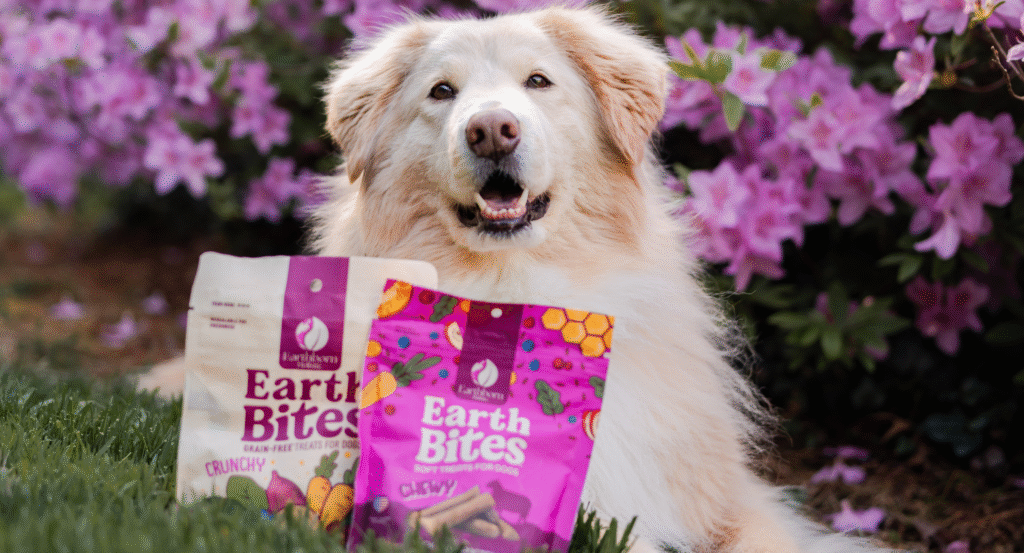
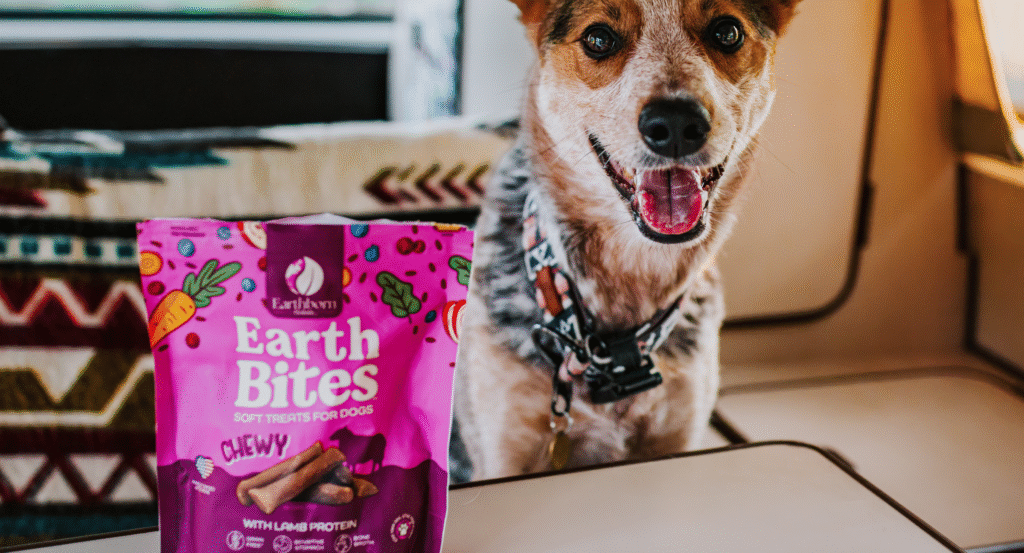
- Treats. Whether your dog prefers a soft, chewy snack or a satisfying crunch, we have a lamb treat they’ll love. Try our EarthBites Chewy with Lamb Protein or our EarthBites Crunchy Lamb Meal Recipe.
How Much Lamb Is Appropriate for Dogs?
How much lamb is appropriate for your dog depends on their size, activity level, and overall health. That said, unless you’re feeding a complete and balanced formula, lamb should complement your dog’s diet rather than serve as the main meal.
When adding lamb as a new food, start with small amounts and observe your dog’s response. Too much too quickly can cause digestive upset, even if lamb is otherwise good for dogs.
Dogs That May Benefit Most From Lamb
Dogs with allergies or food sensitivities often benefit most from lamb compared to other proteins. Lamb-based diets can be easier on sensitive stomachs and may reduce skin or ear issues in some dogs.
Senior dogs, picky eaters, and dogs needing higher-calorie density may also do well with this protein. The nutrient-rich profile and palatability make lamb a helpful option for many dogs with specific needs.
When Lamb May Not Be the Best Option
Lamb may not be ideal for dogs that require low-fat diets or those with a history of pancreatitis. The higher fat content can worsen digestive or metabolic issues if portions are not carefully controlled.
Dogs that have previously shown an allergic reaction to lamb should avoid it entirely. In those cases, other proteins may better support long-term health and balanced nutrition.
Key Takeaways
- Lamb is a nutritious meat. It provides high-quality protein, essential amino acids, healthy fats, and vital vitamins and minerals. When fed properly, lamb offers numerous health benefits and supports balanced nutrition for most dogs.
- Preparation and portion size matter. Plain cooked lamb is safer than raw lamb, and lamb bones should be avoided. Feeding lamb in moderation helps prevent digestive upset and supports a healthy weight.
- Lamb may help dogs with sensitivities. As a novel protein, lamb can be helpful for dogs with allergies or food sensitivities. Still, every dog is different, so monitoring for reactions is important.
Is Lamb the Right Choice for Your Dog’s Diet?
Lamb can be a healthy, nutrient-rich option that fits well into a dog’s diet when fed safely and thoughtfully. From supporting the immune system to providing steady energy levels, it offers meaningful nutritional benefits for many dogs.
Before adding lamb to your dog’s bowl, consider your dog’s age, health history, and dietary needs. If you’re unsure, your vet can help you decide whether lamb is a good fit and how to feed your dog lamb as part of a balanced, long-term plan.