How to Switch to the Best Dog Food for Sensitive Stomach Without Making It Worse
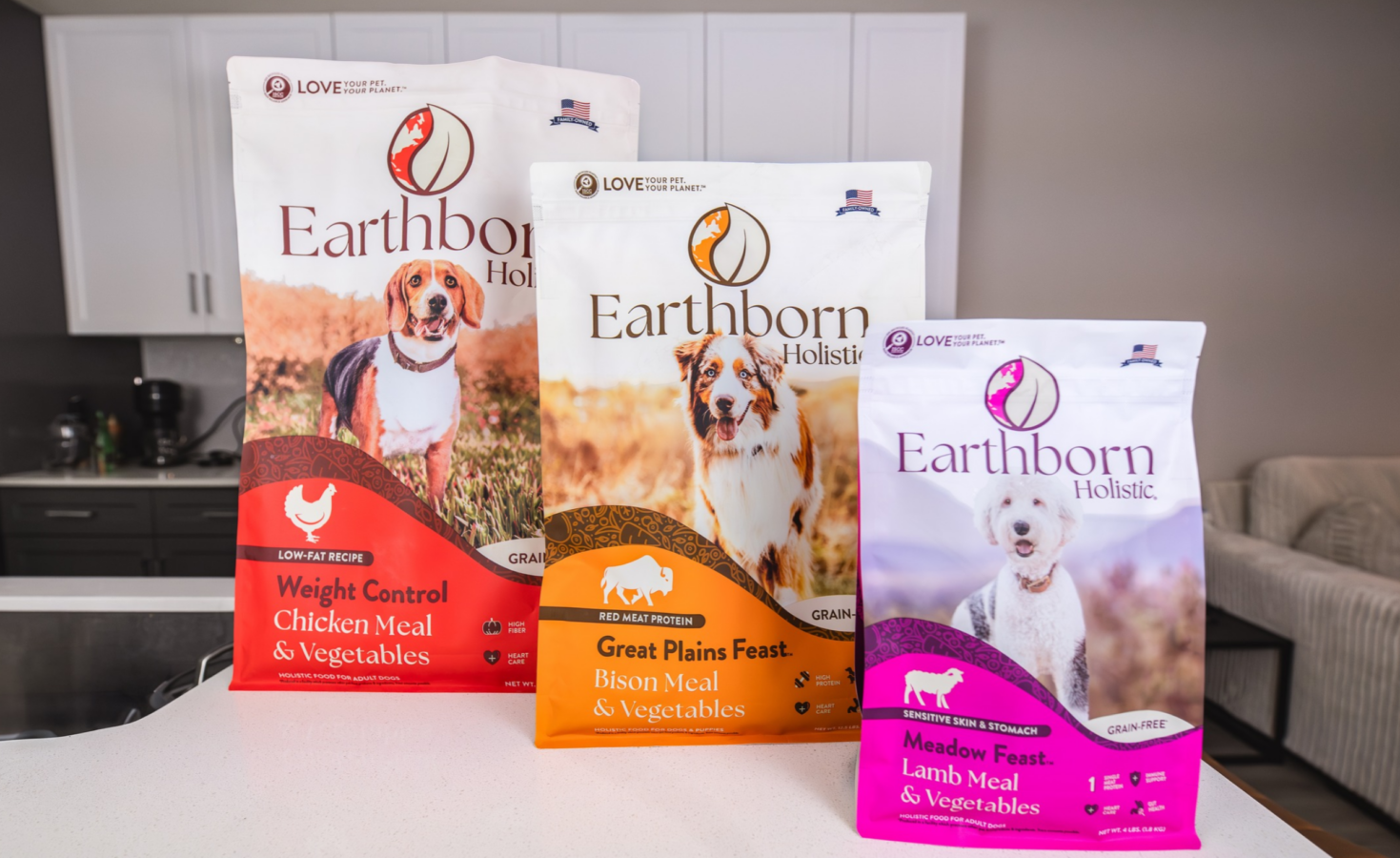
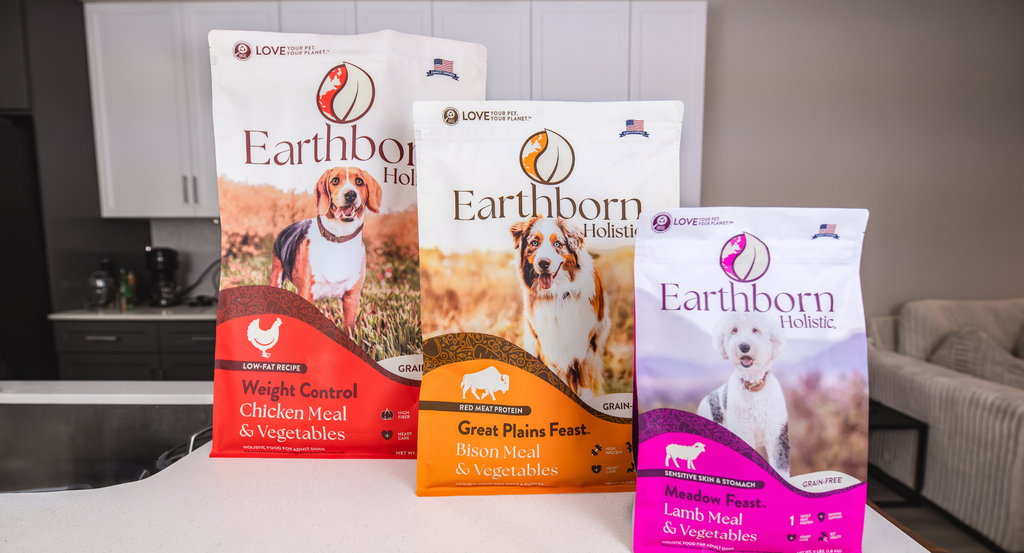
The search for the best dog food for a sensitive stomach often feels like trial and error because “sensitive stomach” can describe several digestive problems rather than one condition. Diarrhea, vomiting, gas, and a finicky appetite are common signs. Persistent symptoms warrant a vet visit before you change your dog’s diet.
Pet parents most often make the mistake of switching dog food too quickly. Gut bacteria need time to adjust. Whether you’re learning about a bland diet for dogs with upset stomach, the best dry dog food for sensitive stomach, or options for allergies and digestive issues, a gradual 7 to 14 day transition protects your dog’s gut. I’ll show you how to make the switch safely, step by step.
Signs Your Dog Has a Sensitive Stomach
“Some animals with GI upset will also become nauseous, which can manifest as excessive drooling/salivation, lip licking, and lack of interest in food. The development of flatulence and/or loud ‘gut sounds’ (known as borborygmi) might also be noted in some cases.” — Dr. Emily Gould, Clinical assistant professor at the Texas A&M College of Veterinary Medicine & Biomedical Sciences
Before you consider switching kibble bags, I always tell dog owners to learn their pet’s usual digestive routine. A sensitive stomach can show up in several recognizable ways, and noticing the pattern early saves guesswork later.
Loose stools, gas, vomiting, and appetite changes are the main signs I watch for. Dogs with digestive issues may drool a lot, smack their lips, or have loud stomach noises before other symptoms appear. Gagging, retching, or frequent gas can point to irritation somewhere in the gut. Appetite changes matter too. A dog that suddenly refuses meals, or one that seems constantly hungry but still loses weight, is showing that something is wrong. Abdominal pain can also appear as a “praying position,” where the front legs stay on the floor and the hindquarters rise.
Why repeated stomach upset needs a vet check depends on how long it lasts. Mild gastroenteritis usually clears up within one or two days, but symptoms that last longer than two days may signal a more serious problem. Veterinary sources generally agree that symptoms lasting longer than 24 to 48 hours, especially with lethargy, blood in vomit or stool, or refusal to drink water, require a clinic visit instead of a wait-and-see approach. Puppies and senior dogs need extra care because their immune systems handle GI stress less well. I would rather spend an afternoon at the vet than risk dehydration becoming an emergency.
What to record before changing food can make the vet visit much more useful. I keep notes on:
- Current diet, portion sizes, and feeding frequency
- Everything eaten or drunk during the past 48 hours, including treats and table scraps
- New foods, chews, or rewards introduced lately
- Possible access to foreign objects such as string, toys, or dental floss
- Exposure to cleaning products, medications, or pesticides
- Previous episodes of vomiting or diarrhea and what helped treat them
- Current medications, vitamins, or supplements given during the last month
This record becomes a quick diagnostic tool. Your vet can narrow down possible causes, such as parasites, pancreatitis, or food allergies, instead of guessing. It also helps prevent a diet change from hiding a problem instead of fixing it. Once a vet rules out disease and confirms that food is the cause, you will be in a better position to choose a formula that suits your dog’s needs.
How to Find a Safe Formula Match
Once a vet rules out disease, the next step is to match the diet to the actual cause of the upset instead of chasing appealing claims on the bag.
Choose food based on the likely cause, not the label claim. A dog with pancreatitis needs a low-fat formula, while a dog with a suspected allergy needs a novel or hydrolyzed protein. Dogs with general digestive sensitivity may benefit from added fiber and probiotics. No single diet treats every sensitive stomach because the term covers several distinct problems. Matching the formula to the diagnosis matters more than the marketing on the bag.
Check that the food provides complete and balanced nutrition for your dog’s life stage. AAFCO recognizes growth, maintenance, and all life stages as the main categories, plus a fourth category for pregnancy and nursing. Choose a formula that matches your dog’s stage, whether you need the best dog food for senior dog with sensitive stomach or a puppy formula. This keeps nutrient levels appropriate and helps prevent deficiencies.
Compare protein sources, fat levels, and fiber with your vet. Dogs that are sensitive to fat, including those with a history of pancreatitis, usually do best with diets that contain no more than 20 percent of calories coming from fat. Review the protein type, fat percentage, and fiber content with your vet instead of choosing food based on one factor.
How to choose the best dry dog food for a sensitive stomach. Look for limited ingredients, one animal protein, moderate fat, and added prebiotic fiber. These factors matter whether you’re shopping for the best small dog food for sensitive stomach or the best dog food for husky with sensitive stomach.
At the time skin allergies require a vet-led food trial, timing matters. An eight-week elimination diet trial identifies roughly 95% of food-allergic dogs, compared with about 50% after four weeks. For suspected allergies, your vet may ask you to feed only the trial diet for at least 12 weeks before evaluating the results.
How to Switch Dog Food Slowly
Once you’ve chosen a formula, the transition pace matters as much as the food itself.
Allow 10–14 days or longer for a sensitive stomach
A seven-day transition works for many dogs, but dogs with a documented sensitive stomach often need 10 to 14 days or longer. AAHA’s standard guidance begins with 25% new food and gradually increases the amount over a week. Dogs with delicate digestive systems may benefit from a slower timeline.
Use a mixing chart: 25%, 50%, 75%, then 100% new food
A simple chart keeps the process consistent. Start with 75% old food and 25% new food, then move to a 50/50 split. Next, feed 25% old food with 75% new food before switching to 100% new food. Follow this structure instead of estimating portions by eye.
Match daily calories instead of feeding the same number of cups
Calorie density varies by brand, so one cup of old food rarely matches one cup of new food. Two cups of a 400-kcal food provide 800 calories. A 500-kcal food needs only 1.6 cups to provide the same amount. A kitchen scale provides more accurate portions than measuring food by volume.
Keep treats, supplements, and meal times unchanged
Keep treats, toppers, and feeding times the same throughout the transition. Changing one variable at a time makes your dog’s response easier to assess.
What to Do if Stool Gets Worse Mid-Switch
Even a careful, gradual transition may not be completely smooth for every dog.
Can switching dog food cause diarrhea even with a slow change?
Yes. Most digestive problems during food changes happen when the switch is too quick, but even a gradual transition can cause temporary loose stool as gut bacteria adjust. Dogs with sensitive stomachs may need 7 to 9 days, or longer, before their digestion settles.
Pause increases if stools soften but your dog otherwise seems well
If your dog stays playful, hydrated, and interested in food but develops softer stools, keep the current ratio or return to the last ratio that worked before trying again.
Ask your vet before adding a bland diet for dogs with upset stomach
Home-cooked bland foods, such as boiled chicken and rice, can help short term with veterinary guidance. Plain chicken and rice lacks more than ten essential nutrients and does not provide a balanced long-term diet.
Get prompt vet care for blood, repeated vomiting, pain, or weakness
Vomiting three or more times within 24 hours, bloody stool, lethargy, or abdominal pain can indicate conditions such as hemorrhagic gastroenteritis and require same-day veterinary care.
Arrange a follow-up if symptoms persist or return after the switch
Call your vet if symptoms last longer than 48 hours, as your dog may need continued bland feeding or a different formula.
Conclusion
The best dog food for a sensitive stomach often requires patience and close observation. I recommend confirming the cause with a vet, choosing the right formula, and extending the transition over 10 to 14 days with a calorie-based mixing chart. Watch for warning signs such as blood, repeated vomiting, or lethargy, as they matter as much as the food switch itself. Slow, steady changes and close monitoring protect your dog’s gut and give you peace of mind.
FAQs
Q1. How should I introduce new food to a dog with a sensitive stomach?
Plan for 10–14 days or longer. Start with 25% new food and 75% old food, then gradually increase to 50%, 75%, and finally 100% new food. Match daily calories rather than keeping the same number of cups.
Q2. Is it safe to change my dog’s food all at once?
Avoid an abrupt switch, especially if your dog has a sensitive stomach. Gut bacteria need time to adjust, and sudden changes can trigger digestive upset.
Q3. What digestive problems can happen after changing dog food?
A food change can cause loose stools, gas, vomiting, or appetite changes. Even a slow transition may cause temporary loose stools. Blood, repeated vomiting, pain, or weakness need prompt veterinary attention.
Q4. What should I do if my dog’s stools soften during the transition?
If your dog is otherwise active, hydrated, and eating normally, pause at the current mix or return to the last well-tolerated ratio. Contact your vet if symptoms last beyond 48 hours, or sooner if warning signs appear.
Q5. How long should I wait to decide whether the new food suits my dog?
Allow 10–14 days or longer for a gradual transition, while monitoring stools, appetite, and comfort. Don’t wait weeks through ongoing symptoms; contact your vet if they persist or return. Suspected food allergies require a longer, vet-supervised diet trial.