Does My Cat Need A Bath?
Felines are renowned for their meticulous self-grooming habits, dedicating nearly half their waking hours to maintaining their pristine coats. This dedication to cleanliness often leads pet parents to question do I need to bathe my cat? While cats possess specialized tongues with tiny barbs designed to distribute natural oils and remove debris, there are circumstances when human intervention becomes essential.
This comprehensive guide explores feline bathing, addressing when it’s appropriate, how frequently it should occur, and techniques. The goal is to experience a bath as stress-free as possible for both you and your furry family member to help answer that question of does my cat need a bath?

Do Cats Need Baths?
Contrary to popular belief, cats do occasionally require bathing assistance despite their reputation as self-groomers. While their specialized tongues effectively distribute natural oils and remove everyday dirt, certain substances and situations exceed their self-cleaning capabilities. Cats with mobility issues involving age, weight, or health conditions often struggle to reach all areas of their bodies, leaving portions of their fur improperly groomed.
Breed-specific considerations also influence bathing requirements. Hairless varieties like Sphynx cats lack the protective barrier of fur that typically absorbs excess body oils, making regular cleansing essential to prevent skin problems. Whereas, long-haired breeds such as Maine Coons or Persians frequently benefit from periodic baths to minimize matting and reduce hairball formation. These specialized needs highlight how bathing serves as a complementary component to natural grooming behaviors rather than an unnecessary imposition.
Environmental factors play a significant role in determining bathing frequency as well. Outdoor cats who explore diverse terrains may encounter substances potentially harmful if ingested during self-grooming, including automotive fluids, garden chemicals, or wildlife-related contaminants. Indoor companions aren’t exempt from occasional bathing needs either, as household dust, cooking residues, and other domestic particles can accumulate in their fur over time.
Health considerations represent another important dimension of feline bathing necessity. Cats with certain skin conditions often require medicated baths as part of their treatment protocol, while those with flea infestations may need specialized washing to remove flea dirt and alleviate associated discomfort. Additionally, households with allergy sufferers sometimes find that regular bathing of feline members helps reduce dander levels, creating a more comfortable living environment for all.
How Often Do Cats Need Baths?
The optimal frequency for feline bathing varies considerably based on individual circumstances, with most healthy adult cats requiring baths approximately every 4-6 weeks if deemed necessary at all. This timeline provides sufficient opportunity for natural oils to maintain skin health while preventing excessive buildup of environmental contaminants. However, this general guideline should be adjusted according to your cat’s specific lifestyle, health status, and coat type. Indoor cats typically require less frequent bathing than their outdoor counterparts, who encounter more environmental debris requiring removal.
Coat characteristics significantly influence appropriate bathing schedules. Long haired cat varieties benefit from more regular bathing—closer to the 4-week mark—to prevent matting and reduce hairball formation through the removal of loose fur. Medium-haired breeds generally follow the standard 4-6 week recommendation when necessary, while short-haired cats often require even less frequent intervention unless specific circumstances arise. Hairless breeds represent a notable exception, typically needing weekly bathing to manage the natural oils that would otherwise be absorbed and distributed by fur in other varieties.
Preparing for Bath Time Success
Thorough preparation significantly improves the bathing experience for both you and your feline companion. Begin by gathering all necessary supplies before introducing your cat to the bathing area, ensuring everything remains within arm’s reach to maintain continuous supervision. Essential items include cat-specific shampoo formulated for their sensitive skin, several absorbent towels for drying, a non-slip mat to provide secure footing, and a handheld sprayer or cup for controlled water application. Having treats readily available for positive reinforcement creates association between bathing and pleasant outcomes.
Avoid bathing immediately after meals or during typical napping times when interruptions to routine might increase stress. The bathing environment should be comfortably warm to prevent chilling, with doors closed to prevent escape attempts. Minimizing environmental distractions, including loud noises or household traffic, helps maintain a calm atmosphere conducive to positive experiences.
Gently brush their coat to remove loose fur and untangle minor mats, which prevents these issues from worsening when wet. For cats with particularly long fur, consider addressing significant tangles before bathing, as water can tighten existing mats. If your cat tolerates nail trimming, performing this task before bathing reduces the potential for scratches during the process.

The Step-by-Step Bathing Process
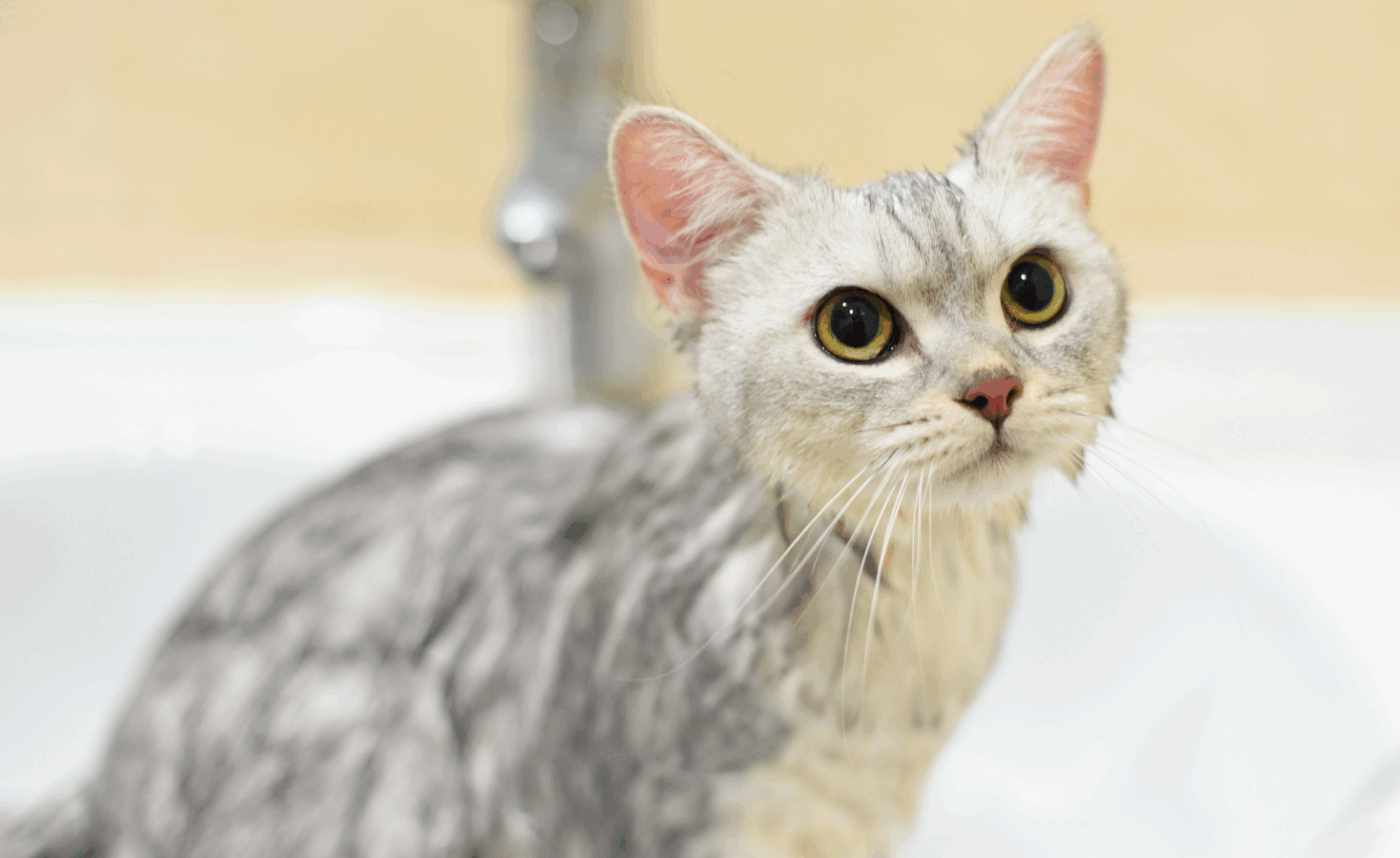
Place your cat gently on the non-slip surface with reassuring verbal cues and gentle petting to establish a calm foundation. Begin water exposure gradually, not several inches of water, using lukewarm temperature to prevent discomfort from excessive heat or cold. Apply water first to less sensitive areas like the back and shoulders, avoiding the head region initially.
Apply a small amount of cat-specific shampoo to your hands first rather than directly to the fur, then work it gently into a lather using circular motions that follow the direction of hair growth. Focus particular attention on areas prone to collecting dirt or oils, including the base of the tail, chest, and abdomen, while continuing to avoid the facial region.
Rinsing represents perhaps the most critical phase of the bathing process, as residual shampoo can cause skin irritation if left in the coat. Throughout the rinsing process, maintain protection of sensitive areas including eyes, ears, and nose, positioning your cat’s head slightly downward to direct water away from these regions. Using a damp washcloth without shampoo, gently wipe the face with careful attention to the areas around eyes and mouth.
Drying Techniques and Post-Bath Care
Effective ways to dry your cat begins immediately after bathing to prevent chilling and minimize stress. Start by gently pressing a highly absorbent towel against your cat’s fur to remove excess moisture without causing tangles or skin irritation. Some cats appreciate being partially wrapped in a towel for security during initial drying, while others prefer more freedom of movement.
The question of whether to use hair dryers often arises during feline drying discussions. Standard household hair dryers typically generate excessive heat and noise that causes stress for most felines. If considering dryer use, introduce it gradually at the lowest heat setting and maximum distance, monitoring closely for signs of discomfort.
Offering favorite treats or meals, interactive play with toys, or special attention after bathing helps create positive associations with the entire process, potentially reducing resistance to future bathing sessions through these reward-based connections.

Special Considerations for Different Cat Types
Kittens require particularly gentle bathing approaches since their developing temperature regulation systems and heightened sensitivity. For these young companions, consider spot cleaning with damp cloths for minor soiling rather than full immersion baths whenever possible. The bathing process for kittens should remain brief while establishing positive associations that will benefit future grooming experiences throughout their lives.
Senior cats present unique bathing challenges related to potential arthritis, reduced flexibility, or other age-related conditions affecting comfort during the process. Provide additional support surfaces during bathing to reduce strain on joints, and consider shorter bathing sessions with rest periods if needed. Older cats often benefit from warm water temperatures to soothe aging muscles, though temperature should remain moderate to prevent overheating.
Hairless breeds like Sphynx cats require specialized bathing protocols addressing their unique skin characteristics. Without fur to absorb natural oils, these cats typically need weekly bathing using mild, moisturizing formulations specifically designed for their skin type. The bathing process should include gentle scrub to remove oils and dead skin cells, followed by appropriate moisturizing if recommended by your vet.
Cats with diagnosed skin conditions require customized bathing approaches following veterinary guidance. Medicated shampoos prescribed for specific conditions often have particular application requirements, including minimum contact times before rinsing or application frequencies that may differ from standard bathing recommendations.
Alternatives to Traditional Bathing
For cats particularly averse to water exposure, waterless cleaning products offer valuable alternatives to traditional bathing. These formulations, available as foams, sprays, or wipes, contain cleansing agents that remove surface dirt and excess oils without requiring rinsing. Apply according to product directions, typically working the solution through the fur before towel removal or allowing it to air dry depending on the specific product.
Spot cleaning addresses localized soiling without subjecting your cat to complete bathing procedures. Using a damp washcloth with minimal cat-safe cleansing agent, target specific soiled areas while leaving the majority of the coat undisturbed. This approach works particularly well for minor cleanliness issues or for cats recovering from medical procedures.
Professional grooming services provide another alternative for cats requiring bathing assistance. Experienced groomers possess specialized equipment, products, and handling techniques that often allow them to complete bathing procedures more efficiently than home attempts. This option proves particularly valuable for cats with challenging coat types, those requiring specialized treatments, or situations where owner-administered bathing creates significant household stress.
Regular brushing serves as both preventative maintenance and partial alternative to frequent bathing. This grooming practice also strengthens the bond between cat and caregiver through positive physical interaction, potentially making necessary bathing sessions less stressful when they do occur.