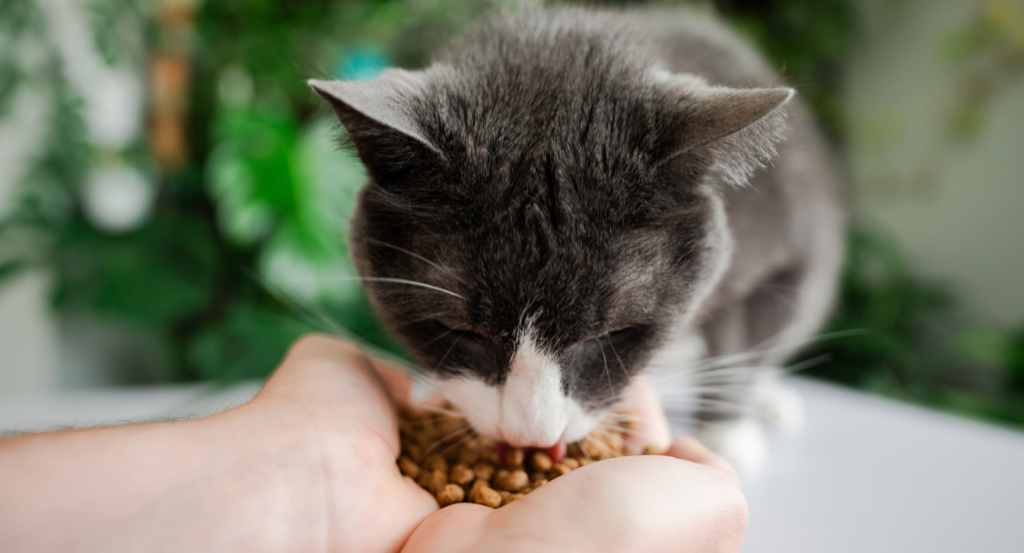
Why Do Cats Wag Their Tails? Understanding Your Cat’s Body Language
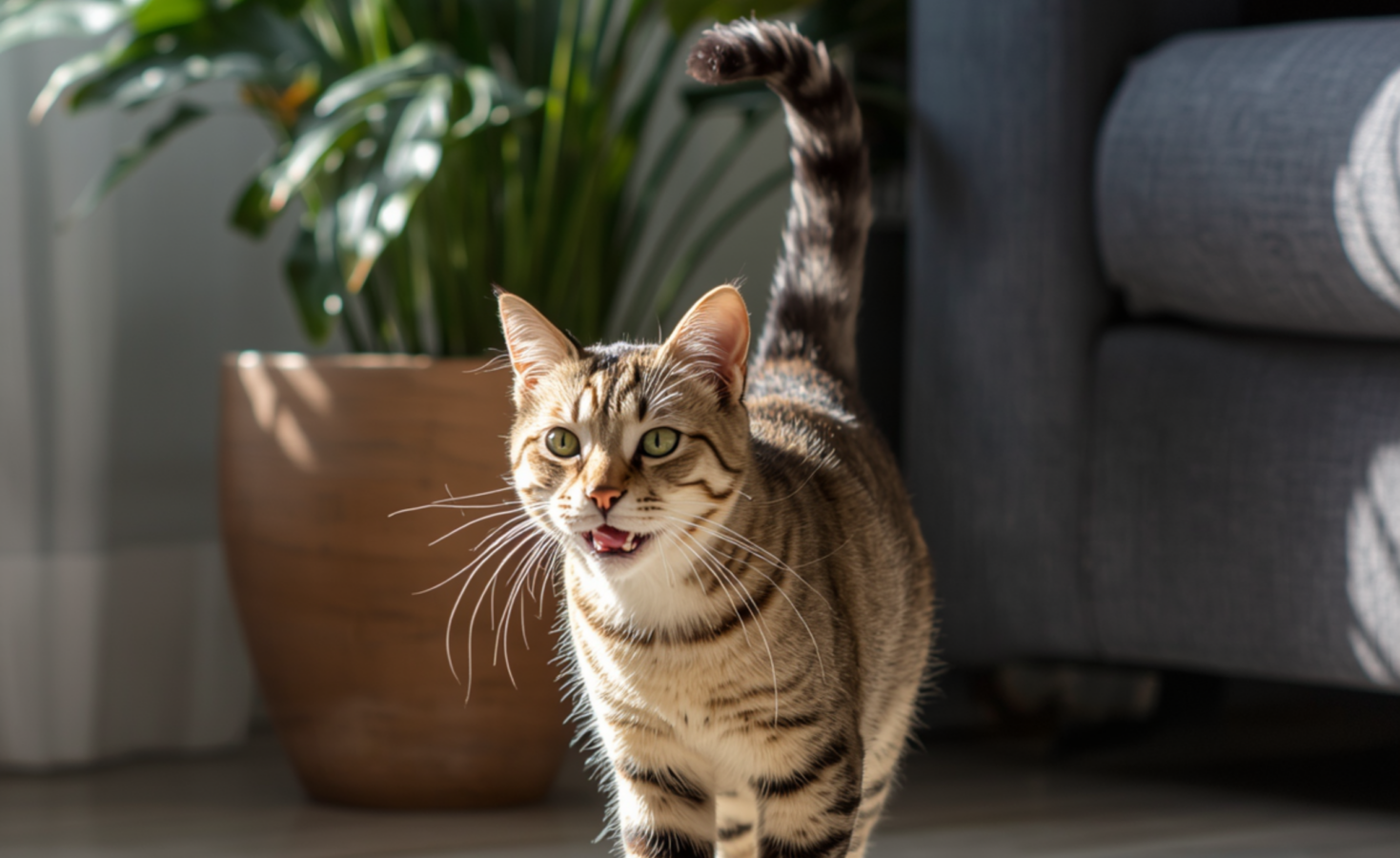
Cats can seem mysterious, but their tails often tell a clear story once you know what to look for. If you’ve ever wondered why cats wag their tails, the answer usually comes down to communication, emotion, and instinct. From mood and focus to comfort level, a cat’s tail is an incredibly expressive tool.
In this article, we’ll break down whether cats wag their tails the same way dogs do, explain common tail movements, and show what a cat’s tail language can reveal about your pet’s emotional state. You’ll also learn how to read tail signals alongside other body language cues and how to respond in a calm, helpful way.
Do Cats Wag Their Tails Like Dogs?
Many cat owners notice tail wagging and assume it means the same thing it does in dogs. However, unlike dogs, cats usually use their tails in more subtle and varied ways. While dogs often wag to show friendliness or excitement, a cat may wag their tail because they’re focused, irritated, curious, or feeling playful.
That’s why context matters so much. When cats wag their tails, it isn’t always a sign of happiness. A happy cat may hold the tail upright or let it quiver gently, while a sharper or more forceful motion can point to mild irritation, overstimulation, or a warning that the cat feels threatened.
Common Tail Movements and What They Mean
A cat’s tail can move in several different ways, and each pattern offers valuable insight into your pet’s feelings. By paying attention to speed, stiffness, and the rest of the cat’s body language, you can better understand what your kitty is trying to say.
These signals become even more useful when you notice them during everyday activities like playing, hunting, resting, or interacting with other cats. A single motion doesn’t always tell the whole story, but repeated patterns can become a clear sign of your cat’s emotions.
Slow Tail Swishing
A slow swish or slow tail wag often means a cat is alert and processing what’s happening nearby. You might notice this when a cat is watching a toy, tracking prey outside a window, or deciding whether to pounce. In this case, tail swishing doesn’t necessarily mean annoyance.
This kind of movement can also appear when a cat is in a playful mood but still evaluating the situation. The motion is usually steady rather than sharp. If the rest of the body looks relaxed and the ears are neutral, the cat may simply be focused rather than upset.
Fast Tail Flicking
Fast, forceful tail flicking usually signals that a cat is becoming annoyed, overstimulated, or uncomfortable. This form of cat tail wagging is often easy to spot because the movement looks sharper and more tense than a gentle swish. It can happen during petting, grooming, or unwanted interaction.
When you notice this type of motion, look at the situation closely. A cat may be giving you a warning before scratching, biting, or walking away. If the tail starts flicking harder and the body seems stiff, it’s often best to give your pet some space and let them settle.
Tail Held High
A tail held high is usually a positive signal. It often shows that a cat is comfortable, social, and feeling confident. Many cats approach familiar people this way, especially when greeting them around the house or walking toward them with a relaxed posture.
This is one of the best signs of friendly feline affection. If the tail is upright and the cat is rubbing against your legs, purring, or approaching calmly, that usually points to trust and ease. Among common tail movements, this one is often linked to a positive emotional state.
Puffed-Up Tail
A puffed up tail is a classic sign that a cat feels threatened, startled, or very frightened. The tail becomes bigger as the fur stands out, making the cat appear larger. This instinct helps the animal protect itself when it feels vulnerable or scared.
You may see this along with an arched back, wide stance, and tense posture. In some cases, the cat may also hiss or retreat. This isn’t the time to pick your cat up or push interaction. A puffed tail is one of the strongest other signs that your pet needs distance and calm.
Tail Quivering
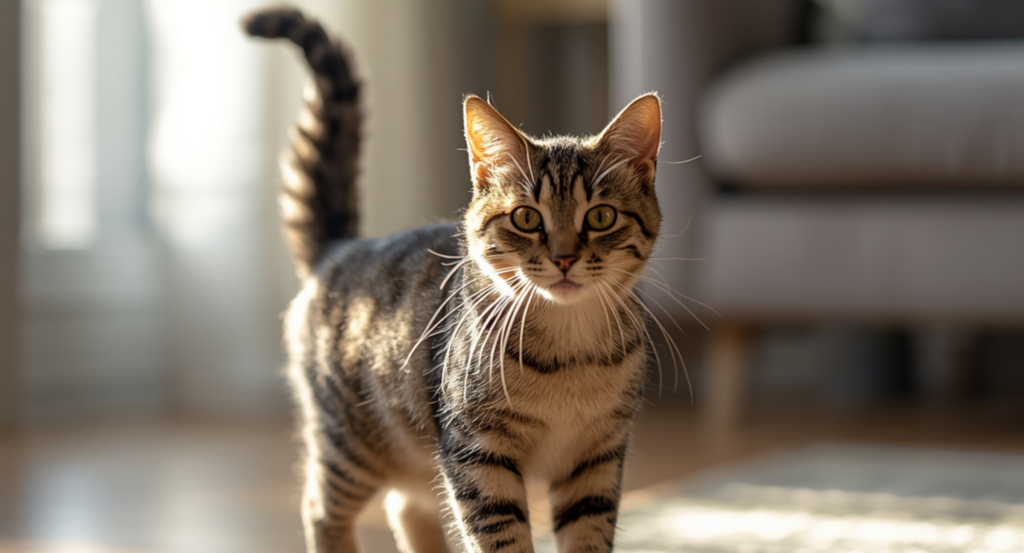
A tail quiver often happens when a cat is excited to see someone or anticipating something positive. Some cats do this when greeting a favorite person, approaching food, or showing feline friendliness. It can look like a tiny vibration while the tail is mostly upright.
In many homes, this is associated with affection and routine. It may appear when your cat walks up to you after you return home or before a meal. When paired with relaxed posture and soft eyes, a tail quiver often reflects excitement, social comfort, or affection.
Just the Tip Twitching
When just the tip of the tail is moving, the message can vary depending on the moment. A little twitch at the end may show concentration during stalking, watching, or quiet interest. It’s common during hunting behavior, especially when a cat is locked onto motion.
At other times, a twitching tip can hint at uncertainty or low-level agitation. The difference usually comes from the rest of the cat’s posture. If the body is relaxed, it may reflect curiosity. If the muscles look tight and the cat seems distant, it may signal growing irritation.
What Tail Wagging Says About Your Cat’s Mood
Understanding your cat’s behavior means looking past the idea that any kind of wagging equals joy. In cats, tail wagging is tied closely to mood shifts, sensory input, and instinctive responses. It’s one small but powerful part of the fascinating world of feline communication.
The same tail can mean very different things in different moments. A relaxed cat may swish slowly while watching birds, while a tense cat may lash the tail when overstimulated. That’s why reading the emotional state behind the movement matters more than the movement alone.
Playful or Focused
A cat may wag or swish the tail when feeling playful or intensely focused on something interesting. This often happens during stalking games, play fighting, or while tracking a feather wand across the room. The motion tends to be measured rather than explosive.
You might also see crouching, steady eyes, and small body shifts as the cat gets ready to pounce. In this setting, the tail is part of the build-up. The cat is engaged, alert, and mentally locked onto a target, whether that target is a bug, a toy, or movement outside.
Annoyed, Overstimulated, or Scared
A sharper, more forceful wag often points to discomfort rather than fun. If your cat has had enough petting, feels cornered, or becomes startled, the tail may move quickly while the body grows tense. This is especially important for pet parents to recognize before a situation escalates.
Watch for signs like flattened ears, a stiff body, dilated pupils, or sudden withdrawal. These other body language cues help explain whether the cat is simply alert or truly upset. When a cat is scared or angry, tail motion is rarely the only warning signal.

How to Read Tail Movements with Other Body Language Cues
A tail should never be read on its own. To really understand a cat’s tail language, you need to consider the full picture, including posture, eyes, ears, voice, and movement. These body language cues work together to show whether your cat is relaxed, curious, stressed, or excited.
For example, a slow swish with forward ears and a low crouch may suggest focus during play or stalking. A flicking tail with flattened ears, tense legs, and dilated pupils can signal stress.
Even behaviors like lying down, purring, or shifting during sleeping can change the meaning. During dreaming, some cats may show small twitching movements linked to rapid eye movement, but that doesn’t carry the same meaning as an awake tail signal.
How to Respond to Your Cat’s Tail Signals
Once you learn to read the tail, the next step is responding in a way that supports your cat’s comfort. Good responses build trust, reduce stress, and help prevent misunderstandings. They also make daily interactions safer and more enjoyable for both you and your pets.
This doesn’t mean reacting to every tiny movement with concern. It means observing patterns and matching your behavior to your cat’s mood. A calm, respectful response is often the best way to support your cat’s emotional wellbeing and strengthen your bond.
When to Engage or Give Space
If your cat shows a relaxed tail, soft posture, and signs of curiosity, it may be a good time to interact. Gentle play, talking softly, or offering attention can work well when the cat seems engaged. This is often true when the tail is upright or moving in a slow, interested way.
If the tail becomes sharp, stiff, or forceful, step back. A cat showing irritation or fear usually benefits from distance, not more handling. Giving space can prevent conflict and help the cat return to a more calm mood on their own terms.
Using Calm Rewards Appropriately
Positive reinforcement can help your cat associate you with comfort and safety. When your cat approaches with relaxed signals, reward that moment with gentle praise, a favorite activity, or a treat. Timing matters because the reward should match the calm behavior you want to encourage.
Food rewards can be useful when used thoughtfully. For example, some cat parents may offer a small portion of wet food after a calm interaction or successful training moment. Options like Earthborn Holistic wet grain-free cat food can fit naturally into a reward routine, especially for cats that respond well to food-based encouragement.
Key Takeaways
- Cats don’t wag like dogs. When cats wag their tails, the meaning depends on context. Unlike dogs, cats often use tail motion to express focus, tension, irritation, excitement, or social comfort rather than simple friendliness.
- A slow swish often shows focus. A slow tail wag may appear when a cat is watching movement, stalking, or deciding whether to play. It can point to concentration instead of stress, especially when the rest of the body looks loose and balanced.
- Fast flicking can be a warning. Sharp, quick movement is often linked to overstimulation, frustration, or discomfort. If you see it during petting or handling, your cat may need a break before the situation turns into scratching or biting.
- An upright tail is usually positive. A tail held high often shows confidence, trust, and social ease. When paired with purring, rubbing, or relaxed posture, it can be a strong sign of affection and comfort.
- A puffed tail signals fear. A puffed up tail usually appears when a cat feels startled, defensive, or unsafe. This is one of the clearest signs that your cat needs distance, security, and a quieter environment.
- Look at the whole cat. The tail is only one part of feline communication. Reading other body language cues like ears, eyes, posture, and movement gives you the best possible explanations for what your cat is feeling.
What Should You Remember About Your Cat’s Tail Signals?
So, why do cats wag their tails? The answer is that a cat’s tail reflects many different emotions, from curiosity and focus to affection, irritation, and fear. By learning the patterns behind a cat’s tail motions, you gain a clearer view of your furry friend’s mood and overall emotional state.
The more close attention you pay to these subtle signals, the easier it becomes to respond in a helpful way. Whether your cat is excited, cautious, playful, or asking for space, understanding tail language can improve everyday communication and help you build a stronger relationship with your feline companion.