Why Is My Dog Suddenly Not Interested in Food?
As a devoted pet parent, it can be concerning when your furry friend suddenly shows a lack of interest in their meals and you find yourself asking why your dog has loss of appetite in their diet. Dogs, like humans, can experience fluctuations in appetite for various reasons. Understanding the underlying causes of this behavior of why my dog is suddenly not interested in food is crucial for ensuring your dog’s health and well-being. In this article, we will explore the potential reasons behind your dog’s sudden refusal to eat, how to encourage them to eat again, and when to seek veterinary assistance.
Understanding Appetite Changes in Dogs
The Complexity of Canine Appetite
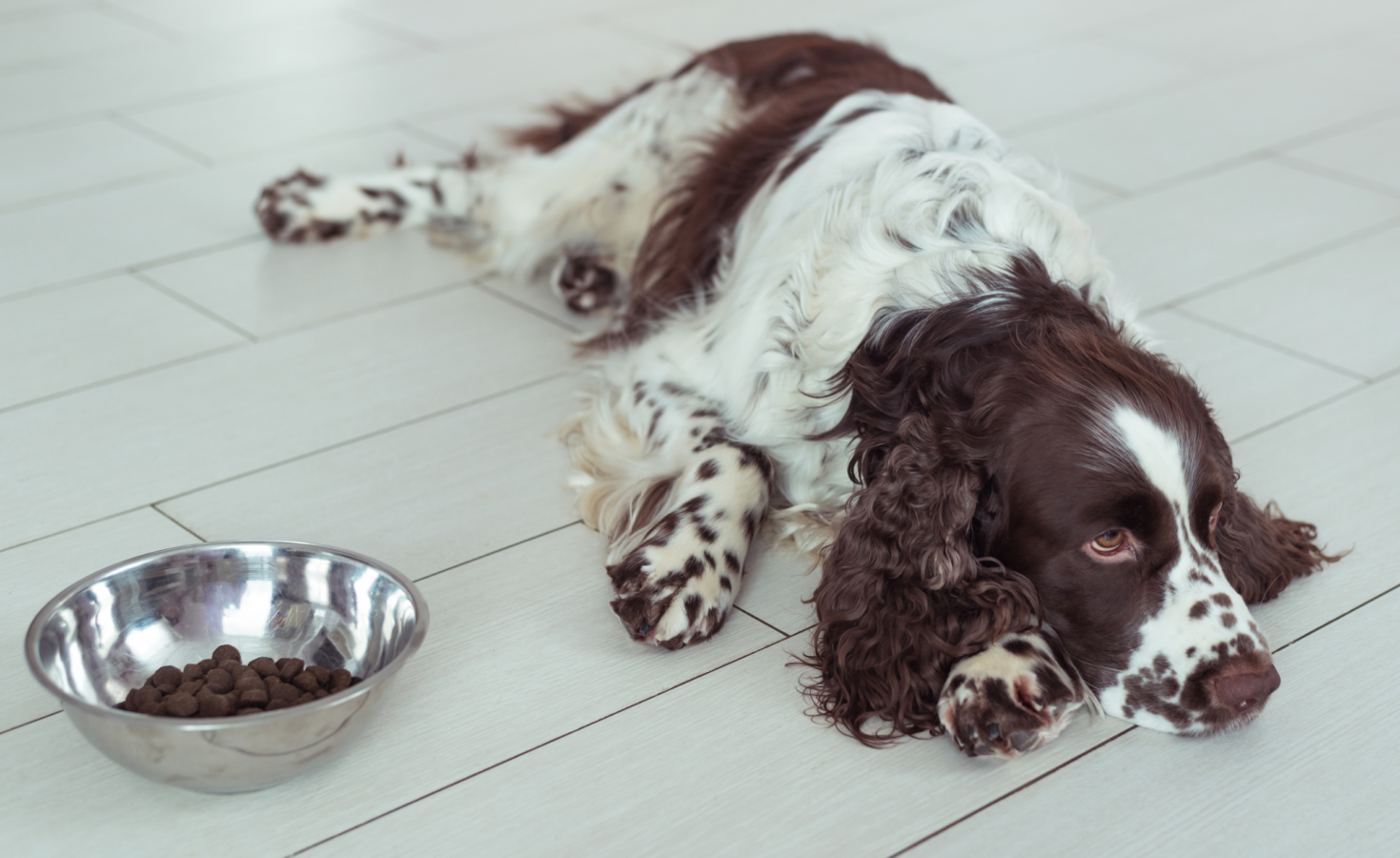
A dog’s appetite is influenced by a variety of factors that could lead to why my dog is suddenly not interested in food, including physical health, emotional state, and environmental conditions. Changes in any of these areas can lead to a noticeable dog decreased appetite. It’s essential to monitor your dog closely to identify any accompanying symptoms that may indicate a more serious health problem.
Common Reasons for Loss of Appetite
- Health Issues: A sudden change in appetite can often signal an underlying health problem. Conditions such as gastrointestinal disorders, dental issues, or systemic illnesses like kidney disease or diabetes can lead to a decrease in appetite. If your dog is also displaying other symptoms and side effects, such as vomiting, diarrhea, or lethargy, it’s crucial to consult your veterinarian.
- Behavioral Factors: Dogs can be sensitive to changes in their environment or routine. Stress from moving to a new home, the arrival of a new pet, or even loud noises can cause anxiety, leading to a lack of appetite. Additionally, some dogs may become picky eaters if they are accustomed to receiving treats or table scraps.
- Food-Related Issues: Sometimes, the food itself can be the culprit. If your dog has been eating the same food for an extended period, they may simply become bored with it. Additionally, check for any signs of spoilage or changes in the food’s smell or texture that might deter your dog from eating and lead to your dog losing appetite.
How to Encourage Your Dog to Eat Again
Creating a Positive Mealtime Environment
- Routine Matters: Establishing a consistent feeding schedule can help your dog feel more secure and encourage them to eat. Try to feed your dog at the same times each day, and avoid leaving food out for extended periods.
- Minimize Distractions: Ensure that your dog has a quiet and comfortable space to eat. Reducing noise and distractions can help your dog focus on their meal.
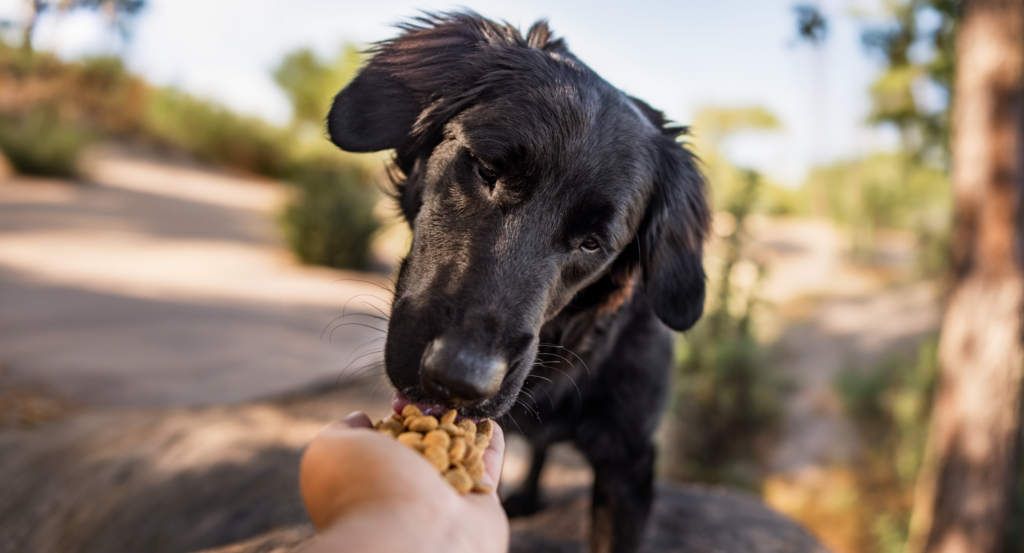
- Hand Feeding: If your dog is hesitant to eat from their bowl, try hand feeding them small amounts of food. This can create a positive association with mealtime and encourage them to eat.
Making Meals More Appealing
- Enhance Flavor: Adding warm water to dry food can enhance its aroma and make it more enticing for your dog. You can also mix in a small amount of wet food or a tasty topper to encourage them to eat and help solve why my dog is suddenly not interested in food.
- Experiment with Different Foods: If your dog is consistently refusing their regular food, consider trying a different brand or flavor. Sometimes, a change in diet and switching dog food flavor can reignite their interest in eating.
- Limit Treats: If your dog is receiving too many treats throughout the day, they may not feel hungry at mealtime. Ensure that treats make up no more than 10% of their daily caloric intake.
When to Seek Veterinary Help
Recognizing Emergency Signs
While it’s common for dogs to skip a meal occasionally, there are certain situations that warrant immediate veterinary attention to hopefully help solve when you see signs why your dog hardly eats. If your dog has not eaten for more than 24 hours, or if they are exhibiting other concerning symptoms such as:
- Vomiting or diarrhea
- Lethargy or weakness
- Abdominal pain or bloating
- Excessive thirst or urination
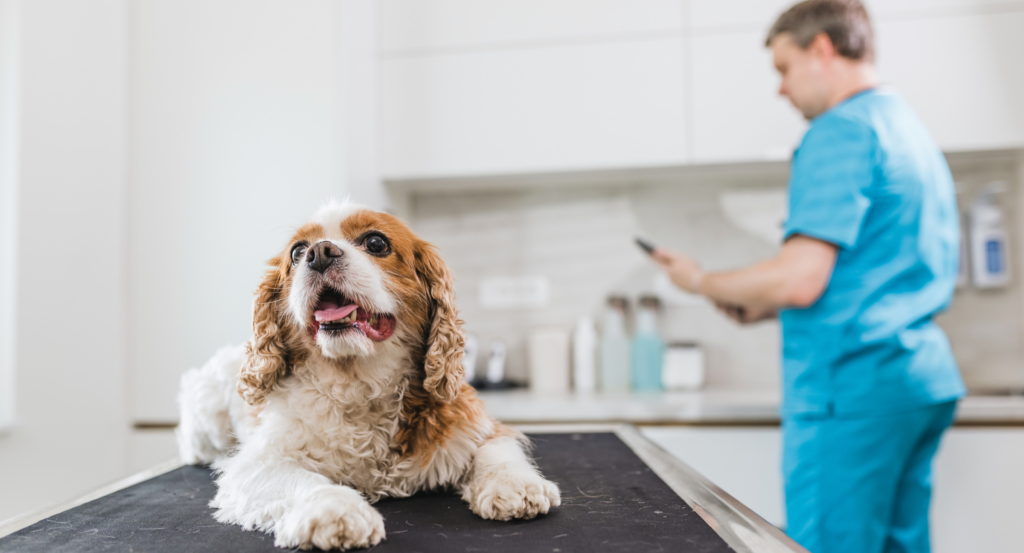
It’s essential to contact your veterinarian as soon as possible. Early intervention can help prevent more serious health issues from developing.
Monitoring Your Dog’s Health
Regularly monitoring your dog’s eating habits is crucial. Keep track of any changes in their appetite, behavior, or overall health. If you notice a pattern of decreased appetite, it may be time to consult with your veterinarian for a thorough evaluation to understand your dog’s digestive system and find any red flags that may be occurring.
Addressing Routine Changes and Stress
The Impact of Routine on Eating Habits
Dogs thrive on routine, and any significant changes can disrupt their eating patterns. If you’ve recently altered your dog’s feeding schedule or introduced new pets or family members, they may need time to adjust. Gradually reintroducing a consistent routine can help restore their appetite.
Managing Stress and Anxiety
If you suspect that stress or anxiety is affecting your dog’s appetite, consider implementing calming techniques. Providing a safe space for your dog, using calming pheromones, and ensuring they receive plenty of exercise can help alleviate anxiety and encourage them to eat.
Conclusion
A sudden loss of appetite in dogs can be concerning, but understanding the potential causes and solutions on why my dog is suddenly not interested in food, can help you navigate this issue effectively. By monitoring your dog’s health, creating a positive mealtime environment, and seeking veterinary assistance when necessary, you can ensure your furry family member remains happy and healthy. Remember, your dog’s well-being is a priority, and addressing any changes in their eating habits promptly is key to maintaining their overall health.