
How to Cut Cat Nails?
Cutting your cat’s nails is an essential aspect of pet care that contributes to their overall health and well-being. While it may seem daunting, especially if your feline friend is not particularly fond of having their paws touched, understanding the process can make it a manageable task. This guide will walk you through everything you need to know about how to cut cat nails, including the necessary supplies, techniques, and tips for success.
Understanding Cat Nail Anatomy
Before diving into the trimming process, it’s crucial to understand the anatomy of your cat’s nails. Cats typically have 18 claws: five on each front paw and four on each hind paw. The dewclaw, located on the inner side of the front paws, is shorter and does not usually touch the ground. However, it still requires regular trimming to prevent overgrowth.
Importance of Regular Trimming
Long nails on a cat can lead to various issues, including:
- Discomfort and Pain: Overgrown nails can curve and puncture the footpads, causing pain and mobility issues.
- Injuries: Longer nails are more likely to snag on surfaces, leading to potential injuries.
- Hygiene: Regular trimming helps maintain cleanliness and prevents dirt and bacteria from accumulating under the nails.
By regularly trimming your cat’s nails, you can help prevent these problems and ensure their overall well-being.
Supplies You Need To Trim Cat’s Nails
To effectively trim your cat’s nails, gather the following supplies:
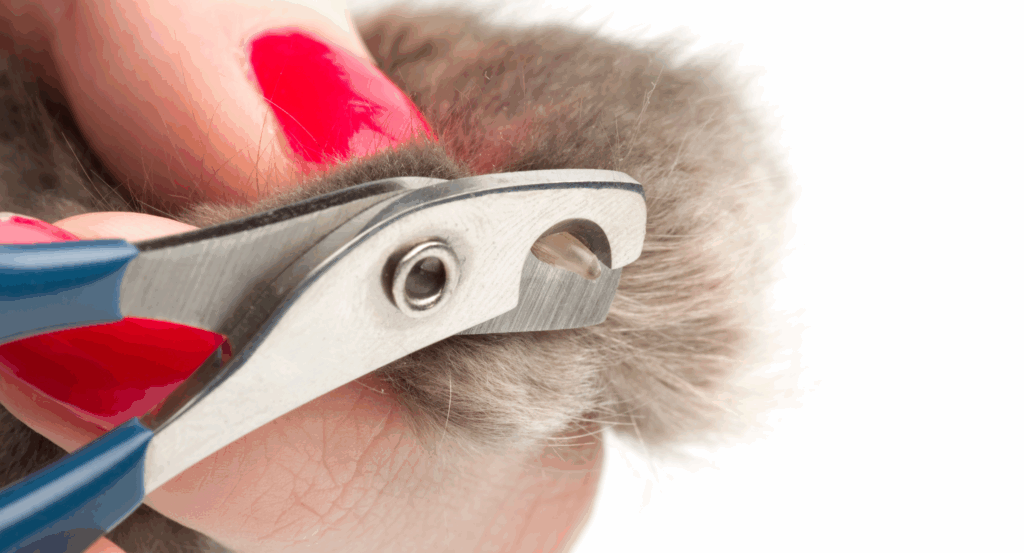
- Cat Nail Trimmer: Choose a high-quality cat nail cutter designed specifically for felines. Options include scissors-style, guillotine-style, or electric grinders.
- Styptic Powder: This is essential for stopping any bleeding if you accidentally cut too close to the quick.
- Towel: A towel can help wrap your cat securely if they are anxious or squirmy.
- Wet Food: Use wet food to reward your cat and create a positive association with nail trimming.
- Lick Mat: Freezing a lick mat with the wet food so you can distract your cat during the trimming process.

How to Trim Cat Nails: Step-by-Step Instructions
Step 1: Prepare Your Cat
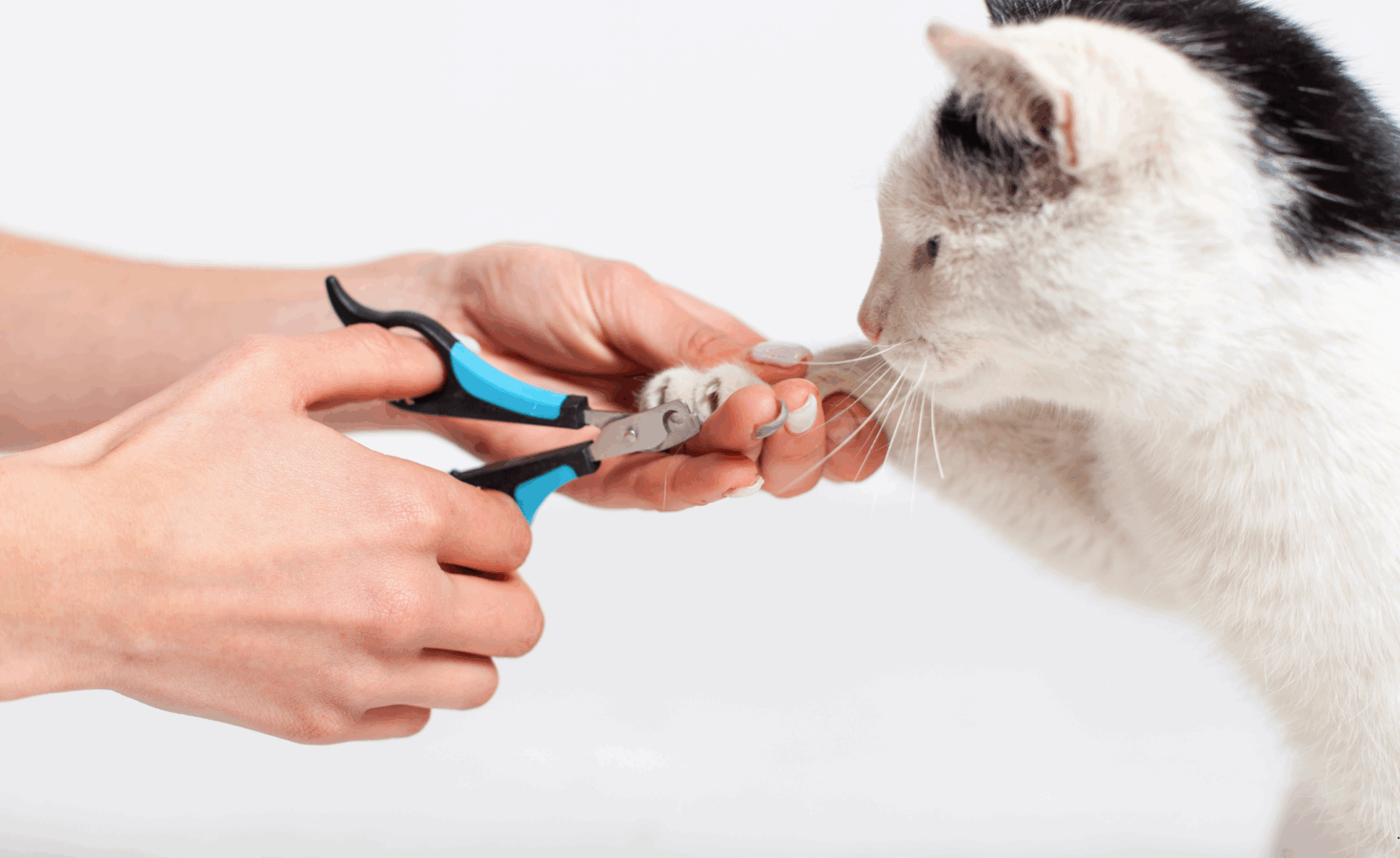
Before you start, ensure your cat is calm and comfortable. You can either hold them in your lap or place them on a stable surface. If your cat is particularly anxious, consider wrapping them in a towel, leaving only their paws exposed. This method, often referred to as the “Kitty Burrito,” can help keep them secure.
Step 2: Positioning
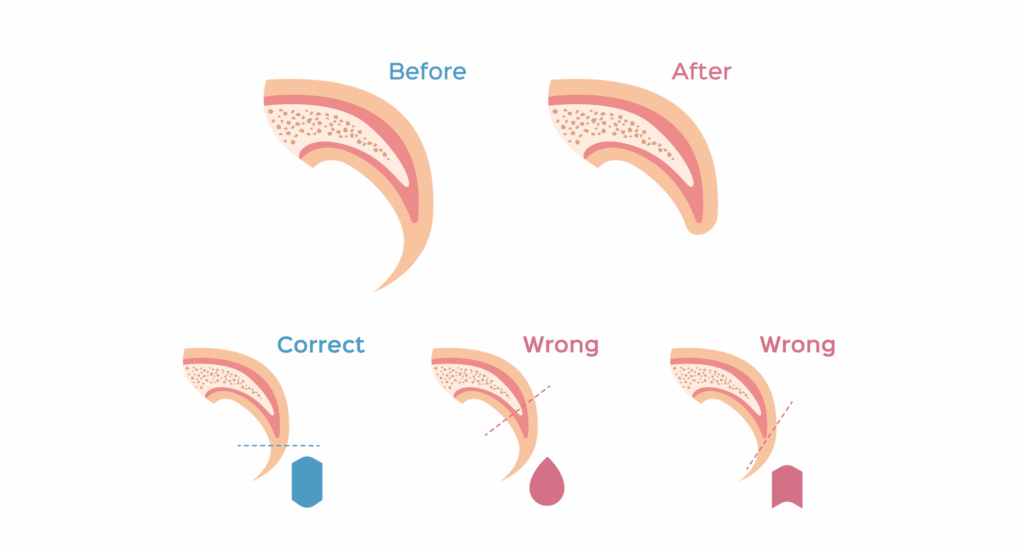
Hold your cat’s paw gently but firmly. Gently press on the top of the paw to extend the claws fully. This will give you a clear view of the nail and help you avoid accidentally cutting into the quick. We want to avoid cutting into the quick of a cat or kitten’s nail as it is a sensitive part of the nail containing blood vessels and nerves.
Step 3: Identify the Quick
Knowing how short to trim your cat’s nails is crucial to avoid cutting the quick, as it can cause pain and bleeding. The quick is the pink area within the nail. If your cat has dark nails, it may be harder to see quickly, so use caution as you are clipping your cat’s nails.
Step 4: Start Trimming
Using your chosen cat nail trimmer, carefully cut the white part of the nail, avoiding the quick. Aim for a 45-degree angle to ensure a smooth cut. If your cat becomes restless, take a break and try again later. It’s better to trim a few nails at a time than to rush and cause stress during the claw trimming.
Step 5: Reward Your Cat
After trimming a few nails, reward your cat with treats and praise. This positive reinforcement will help them associate nail trimming with a pleasant experience.
How Often to Cut Cat Nails
The frequency of cat nail trimming can vary based on your cat’s activity level and lifestyle. Generally, indoor cats require trimming every 2-4 weeks. Here are some factors to consider when you cut cat nails:
- Activity Level: Cats that spend time outdoors or engage in regular play may naturally wear down their nails and require less frequent trimming.
- Age: Senior cats may need more frequent trims due to decreased activity levels and the potential for thicker, brittle nails.
- Dewclaws: Don’t forget to trim the dewclaws, as they can also become overgrown.
What to Do If Your Cat Won’t Let You Trim Their Nails
If your cat is particularly resistant to nail trimming, here are a few tips on how to trim a cat’s nails that won’t let you:
Gradual Desensitization
- Familiarization: Allow your cat to sniff and explore the cat nail clippers before attempting to use it.
- Paw Handling: Get your cat used to having their paws handled by gently massaging their paws, especially their paw pad, during playtime.
Use of Distractions
- Lick Mat: Freeze a lick mat with your cat’s favorite wet food. This can keep them occupied while you trim their nails.
- Treats: Offer treats during the process to create a positive association.
When to Seek Professional Help to Cut Cat Nails
If all else fails, consider taking your cat to a cat groomer near you or veterinarian. They have experience handling anxious pets and can trim your cat’s nails safely.
Tips for a Successful Nail Trimming Session
Create a Calm Environment
- Quiet Space: Choose a quiet area free from distractions. Turn off the TV and minimize noise to help your cat feel secure.
- Comfortable Position: Ensure both you and your cat are comfortable during the process.
Take Your Time When You Cut Cat Nails
- Multiple Sessions: If your cat becomes stressed, don’t hesitate to break the trimming into multiple sessions. It’s better to take your time than to rush and cause anxiety.
Use the Right Tools to Cut Cat Nails
- Best Cat Nail Trimmer: Invest in a high-quality cat nail cutter that suits your cat’s needs. A good tool can make the process smoother and more efficient.
The Benefits of Cat Nail Caps
If you’re concerned about your cat’s sharp claws but find trimming challenging, consider using cat nail caps or scratch pads.
What are Cat Nail Covers?
Nail covers for cats are soft covers that can be applied to your cat’s claws to prevent cat’s from scratching. They are a temporary solution and can be a great alternative for households with children or other pets.
Benefits of Cat Nail Caps
- Protection: They help protect furniture and skin from scratches.
- Comfort: Nail caps can prevent your cat from injuring themselves if they scratch excessively.
What are Scratch Pads?
Nail covers for cats are soft covers that can be applied to your cat’s claws to prevent cat’s from scratching. They are a temporary solution and can be a great alternative for households with children or other pets.
Benefits of Cat Nail Caps
- Protection: They help protect furniture and skin from scratches.
- Comfort: Nail caps can prevent your cat from injuring themselves if they scratch excessively.
The Benefits of Cat Scratch Pads
In addition to regular nail trimming, providing your cat with scratch pads can be beneficial. These scratching posts allow your cat to naturally wear down their claws while satisfying their instinct to scratch.
Types of Scratch Pads
- Horizontal Scratch Pads: Great for cats that prefer to scratch while lying down.
- Vertical Scratch Pads: Ideal for cats that like to stretch and scratch while standing.
Benefits of Scratch Pads
- Prevents Overgrowth: Regular scratching can help keep your cat’s nails at a manageable length.
- Reduces Furniture Damage: Providing appropriate scratching surfaces can deter your cat from scratching furniture.
- Promotes Healthy Claws: Scratching helps remove the outer sheath of the claw, keeping them healthy.
Conclusion of How to Cut Cat Nails
Trimming your cat’s nails is a vital part of their grooming routine that contributes to their health and comfort. By following the steps outlined in this guide, you can make the process easier and more enjoyable for both you and your feline friend. Remember to be patient, use positive reinforcement, and seek professional help if needed. With practice, you’ll become more confident in how to cut cat nails, ensuring your pet remains happy and healthy.