Dog Days of Summer: How to Keep Your Pet Cool in Hot Weather
As the summer sun blazes down, it’s essential for pet parents to ensure their furry family members remain comfortable and safe. High temperatures can pose serious health risks to pets, including heat exhaustion and heatstroke. Understanding how to keep pets cool in summer is crucial for their well-being. This article will explore effective strategies to help your pets beat the hot days, signs of overheating, and what to do if your pet gets too hot.
Understanding the Risks of Heat
Pets, particularly dogs and cats, are more susceptible to heat-related issues than many owners realize. Unlike humans, who can sweat to cool down, pets primarily rely on panting and limited sweating through their paw pads. This makes them vulnerable to overheating, especially in extreme temperatures or during vigorous activities. This guide will help you and your furry companion on how to keep your pet cool in hot weather.
Vulnerable Pets
Certain pets are at a higher risk of heat-related illnesses, including:
- Flat-faced breeds: Dogs like pugs and bulldogs have difficulty breathing, making them more prone to overheating.
- Senior pets: Older animals may have underlying health issues that make them less tolerant of heat.
- Young pets: Puppies and kittens are still developing and may struggle to regulate their body temperature.
- Overweight pets: Extra weight can hinder a pet’s ability to cool down effectively.
- Pets with health conditions: Animals with heart or respiratory issues are particularly vulnerable.
Recognizing the signs of overheating and signs of heatstroke early can prevent emergencies and ensure your pet stays safe.
Essential Tips to Keep Pets Cool
1. Hydration is Key
One of the simplest yet most effective ways to keep pets cool in summer is to ensure they have constant access to fresh, clean water. Hydration plays a vital role in regulating body temperature.
- Frequent refills: Change your pet’s water regularly to keep cool water and make it more appealing.
- Multiple water stations: Place water bowls in various locations around your home.
- Portable water bottles: Bring water along during walks or outings while hopefully in those shady spots.
- Ice cubes: Adding ice cubes to their water can provide a refreshing treat.
2. Limit Outdoor Activities
The hottest part of the day typically falls between late morning and early evening. During these hours, pavement temperatures can soar, increasing the risk of overheating and heat stroke. Be sure to be aware of the heat on how to keep your pet cool in hot weather especially during summer activities.
- Early morning or late evening walks: Schedule outdoor activities during cooler parts of the day.
- Shorter exercise sessions: Walk your dog or cat in brief sessions and monitor your pet for signs of fatigue.
- Avoid hot surfaces: Test the pavement with your hand; if it’s too hot for you, it’s too hot for your pet’s paws.
3. Create a Cool Indoor Environment
Keeping pets indoors during extreme heat is one of the safest options. Here are some ways to create a comfortable environment:
- Air conditioning: If possible, keep your home cool with air conditioning and in the car for how to keep my pet cool during summer transport.
- Fans: Use fans to circulate air, but ensure proper ventilation.
- Cool resting areas: Provide shaded spots or cooling mats for your pets to lie on.
- Tile or hardwood floors: These surfaces tend to stay cooler than carpets.
4. Use Cooling Products
There are various pet-safe cooling products available that can help regulate body temperature:
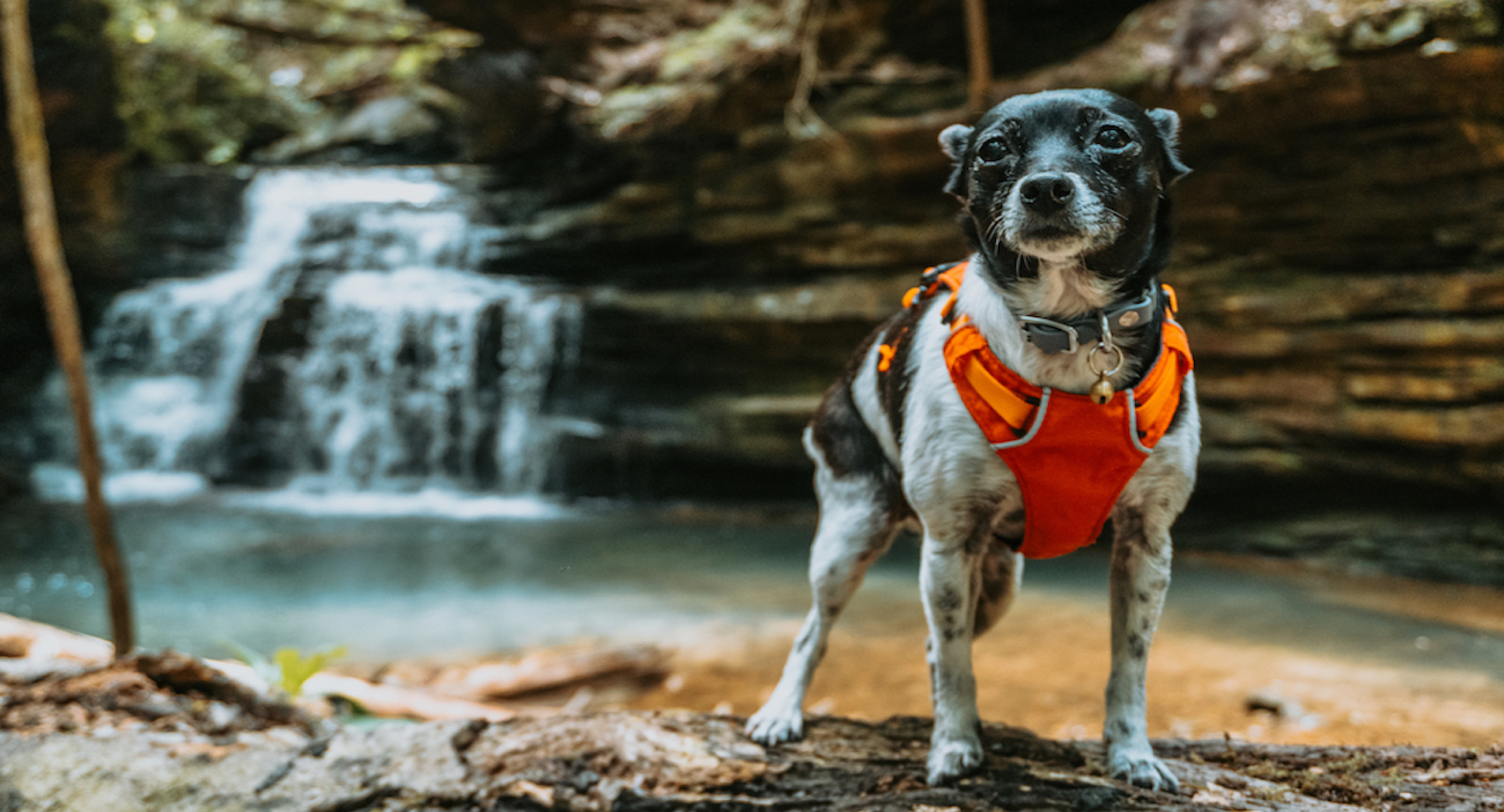
- Cooling vests: These garments can help keep your pet cool through evaporation.
- Cooling mats: These provide a cool surface for pets to lie on or improvise with ice packs under a towel.
- Frozen treats: Make ice treats using pet-safe ingredients for a refreshing snack.
- Damp towels: Offer a damp towel for your pet to lie on, but avoid placing it directly over them, as this can trap heat.
5. Never Leave Pets in a Parked Car
Leaving pets in a parked vehicle, even for a short time, can be life-threatening. Temperatures inside cars can rise rapidly, leading to heatstroke.
- Signs of distress: Be aware of heavy panting, drooling, or lethargy, which indicate overheating.
- Always take them with you: If you need to run errands, leave your pet at home where it’s cool.
6. Recognize Signs of Overheating
Understanding the signs of overheating can help you act quickly. Common symptoms include:
- Excessive panting: Rapid, labored breathing is a key indicator.
- Drooling: Thick saliva or excessive drooling can signal distress.
- Weakness or lethargy: If your pet seems unusually tired or unresponsive, it may be overheating.
- Bright red tongue or gums: This can indicate heat stress.
- Vomiting or diarrhea: These symptoms can also occur in overheated pets.
If you notice any of these signs, take immediate action to cool your pet down.
7. What to Do if Your Pet Overheats
If you suspect your pet is overheating or don’t know how to keep pets cool without ac, it’s crucial to act quickly:
- Move to a cooler area: Get your pet indoors or to a shaded spot.
- Cool them down gradually: Use cool (not cold) water to wet their fur, focusing on areas like the belly and paws.
- Offer water: Encourage your pet to drink water to help rehydrate.
- Seek veterinary care: If symptoms persist or worsen, contact your veterinarian immediately.
Additional Considerations for Pet Parents
8. Adjust Exercise Routines
While pets still need exercise during summer, it’s essential to adjust their routines to prevent overheating:
- Indoor play: Engage in games like fetch or hide-and-seek indoors.
- Shorter walks: Limit the duration of outdoor walks and monitor your pet closely.
- Swimming: If your pet enjoys water, supervised swimming can be a fun way to cool off.
9. Be Mindful of Parasites
Summer brings an increase in fleas, ticks, and other parasites. These pests can cause discomfort and health issues for your pets.
- Regular checks: Inspect your pet for signs of fleas or ticks after outdoor activities.
- Preventive treatments: Consult your veterinarian about appropriate flea and tick prevention methods.
10. Sun Protection for Pets
Just like humans, pets can get sunburned, especially those with light-colored fur or thin coats.
- Pet-safe sunscreen: Apply sunscreen to exposed areas, such as the nose and ears, if your pet will be outside for extended periods.
- Limit sun exposure: Provide shaded areas for your pet to retreat to when outdoors.
11. Consider Your Pet’s Breed
Different breeds have varying tolerances to heat. For example, brachycephalic breeds (like pugs and bulldogs) are more susceptible to heat stress due to their short snouts.
- Tailored care: Be extra vigilant with breeds that struggle in the heat and adjust their activities accordingly.
12. Consult Your Veterinarian
If you have concerns about your pet’s ability to handle heat or if they have pre-existing health conditions, consult your veterinarian for personalized advice.
- Regular check-ups: Routine veterinary visits can help identify any underlying health issues that may affect your pet’s heat tolerance.
Conclusion
Keeping your pets cool in summer or how to keep pets cool in a heatwave is essential for their health and happiness. By implementing these strategies on how to keep your pet cool in hot weather, you can help ensure that your furry companions stay safe and comfortable during the hot months. Remember to monitor them closely for signs of overheating and consult your veterinarian if you have any concerns. With a little preparation and care, you can enjoy a fun and safe summer with your beloved pets.