Can Dogs Eat Quinoa Safely? Benefits, Risks & Feeding Tips
Ever wondered can dogs eat quinoa safely? The short answer is yes, in many cases they can. In fact, this popular “super seed” isn’t just for health-conscious humans. You’ll often find it in high-quality dog foods, and for good reason. Naturally gluten-free and packed with valuable nutrients, quinoa can be a healthy addition to your furry friend’s diet.
In this article, we’ll look at whether dogs can eat quinoa safely, why it appears in dog food formulas, the health benefits of quinoa, and the possible downsides to know before you add this new food to your pup’s diet. We’ll also cover how to prepare quinoa at home and how it fits into modern recipes for a more balanced diet.
Can Dogs Eat Quinoa Safely?
In general, dogs can eat quinoa when it’s plain, fully cooked, and served in moderation. For many pet parents, quinoa can be a nutritious addition to a balanced meal, especially when it’s used to complement high-quality animal protein and other whole-food ingredients.
That said, not every dog responds to new ingredients in the same way. A dog with a sensitive digestive system, prior digestive issues, or certain health conditions may be more likely to experience digestive upset. That’s why it’s important to introduce quinoa slowly and watch your canine companion for any changes.
The Nutritional Profile of Quinoa
Quinoa is often called a seed, but it’s commonly used like a grain in both human and pet nutrition. It contains complex carbohydrates, fiber, vitamin B, and several essential vitamins and minerals, which is one reason quinoa has become more common in dog foods today.
Another standout feature is that quinoa provides nine essential amino acids, making it a complete protein source. While dogs still do best on a diet centered around quality animal ingredients, quinoa can contribute essential amino acids, essential nutrients, and other nutritional benefits that support your dog’s overall health.
Why Quinoa Is Used in Dog Food
As pet nutrition has evolved, manufacturers have looked beyond traditional fillers and started using more functional ingredients. That’s part of why quinoa now appears in many dog foods, especially recipes designed to offer more variety than formulas built around corn, wheat, or soy.
Quinoa is appealing because it brings a strong nutrient profile without relying on heavily processed starches. In a well-crafted formula, quinoa can support a more balanced food approach while helping create texture and energy in dry kibble or gently cooked meals.
A Complete Plant Protein Source
As mentioned earlier, one of quinoa’s biggest benefits is that it’s a complete protein source. But what does that really mean for your dog?
Unlike most plants, quinoa contains all nine essential amino acids. These are the protein building blocks your dog needs to get from their diet to stay healthy and strong.
This doesn’t mean quinoa should replace animal protein in a dog’s diet. Instead, it works best as a supporting ingredient that adds valuable nutrients, contributes to fullness, and helps round out the formula with essential vitamins, minerals, and additional potential health benefits.
A Gluten-Free Alternative to Common Grains
Quinoa is also popular because it’s a gluten-free seed, making it useful in recipes for dogs with suspected gluten sensitivities or other food sensitivities. While true gluten intolerance isn’t common in dogs, some pet parents look for alternative carbohydrate sources when their dog doesn’t do well with wheat-based foods.
Because quinoa is naturally gluten-free, it can serve as an alternative to some traditional grain ingredients. That’s one reason why “is quinoa good for dogs?” is such a common question, especially among pet parents comparing ingredient lists and looking for options that may work better for dogs with food allergies or discomfort.
Health Benefits of Quinoa for Dogs
When used appropriately, quinoa may offer several nutritional advantages. It’s not a magic ingredient, but it can support a balanced diet by providing fiber, protein, and a range of micronutrients that contribute to a dog’s day-to-day wellness.
The key is to view quinoa as one part of the bigger picture. A quality diet supports a dog’s health through variety, digestibility, and nutrient density, and quinoa can play a helpful role in that equation when it’s prepared properly and fed in sensible portions.
Essential Amino Acids and Nutrients
One of the main benefits of quinoa is its mix of protein, minerals, and antioxidants. Because it contains essential amino acids along with essential vitamins and minerals, quinoa can be a useful addition to a nutrient-rich diet.
Quinoa also provides fatty acids, minerals, and plant compounds that can contribute to the overall nutrient profile of a meal. When combined with quality protein and other whole-food ingredients, quinoa can be part of a diet that supports your dog’s overall health.
Is Quinoa Good for Dogs With Sensitive Stomachs?
Beyond basic nutrition, how else can quinoa help your dog? When included in a balanced diet, its fiber and nutrient profile can support your dog’s digestive health and overall wellness. Here’s how:
- Fiber for a happy gut: The right amount of fiber supports healthy digestion, promotes regular stools, and contributes to overall gut health. This is especially true when combined with other easy-to-digest, whole-food ingredients.
- A source of steady energy: Quinoa can provide carbohydrates as part of a balanced meal, helping support your dog’s daily energy needs.
- Balance is key: Remember, quinoa works best as part of a complete and balanced diet, not as the main ingredient. When used correctly, it adds valuable fiber and nutrients that support your dog’s health without overcomplicating their meals.
Potential Risks of Feeding Quinoa to Dogs
While many dogs eat quinoa without any problems, there are still a few things to keep in mind. Quinoa contains naturally-occurring chemicals known as saponins, which coat the seed and can contribute to intestinal irritation if quinoa isn’t rinsed and cooked correctly.
Some dogs may also experience upset stomach, gas, loose stool, or other digestive issues when trying quinoa for the first time. In rare cases, dogs can have adverse reactions or allergic reactions to a new food, so it’s best to start with a very small serving and stop if you notice vomiting, itching, or unusual discomfort.
Portion size matters too. Feeding too much quinoa can crowd out the more important components of a balanced diet, especially the animal-based proteins and fats a dog needs most. Dogs with certain medical concerns, including kidney disease, may need more tailored guidance from a vet before adding quinoa to their regular food.
How to Prepare Quinoa for Dogs Safely
If you want to feed quinoa at home, preparation makes all the difference. Plain quinoa can be a safe and useful addition to meals, but only when it’s handled in a way that reduces irritation and avoids ingredients that are harmful or unnecessary for dogs.
Homemade add-ins should stay simple. Think of quinoa as a small complement to your dog’s meal rather than the foundation of it, and always consider your dog’s size, activity level, and how much quinoa is appropriate before serving it regularly.
Cook and Rinse Quinoa Properly
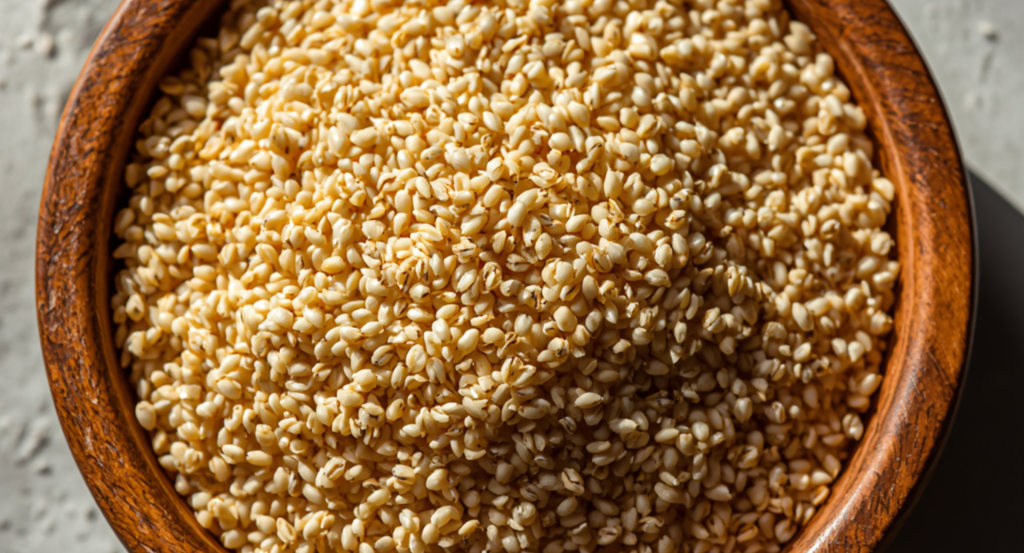
The best way to prepare quinoa is to rinse it thoroughly before cooking and then cook it fully in water until it becomes soft. This helps remove most of the chemicals called saponins, which can otherwise increase the chance of intestinal irritation or general digestive discomfort.
When served plain, cooked quinoa is much easier for a dog’s body to handle than raw or undercooked quinoa. If you want to add quinoa to your dog’s bowl, start with a spoonful mixed into food and monitor for any signs of digestive upset before offering it again.
Avoid Seasonings and Additives
Plain is always best when serving quinoa to dogs. Butter, garlic, onion, excess salt, spicy seasonings, and rich sauces can turn a simple ingredient into something that may upset your furry friend’s stomach or even become unsafe.
It’s also smart to avoid mixing quinoa with fatty leftovers or heavily seasoned human dishes. To feed quinoa safely, keep it plain, pair it with familiar food, and treat it as a clean ingredient rather than a table scrap. That simple approach makes quinoa naturally more suitable for dogs.
How Quinoa Fits Into Modern Dog Food Formulas
While you can cook plain quinoa at home, it’s far easier and safer to serve it as part of a professionally formulated dog food. Why? Because when it’s part of a complete and balanced recipe, you know your dog is getting quinoa in an appropriate amount without any risky seasonings or additives.
Today, quinoa is often included in premium recipes because brands want ingredients that do more than just fill space. In the right formula, quinoa adds fiber, protein, and key micronutrients. The result is a more wholesome, transparent ingredient list that health-conscious pet parents can feel good about.
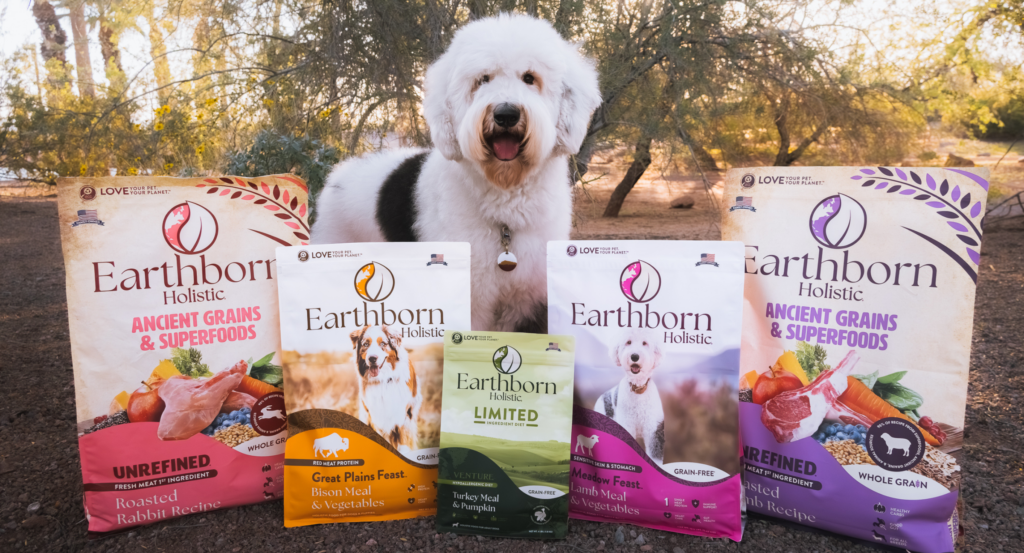
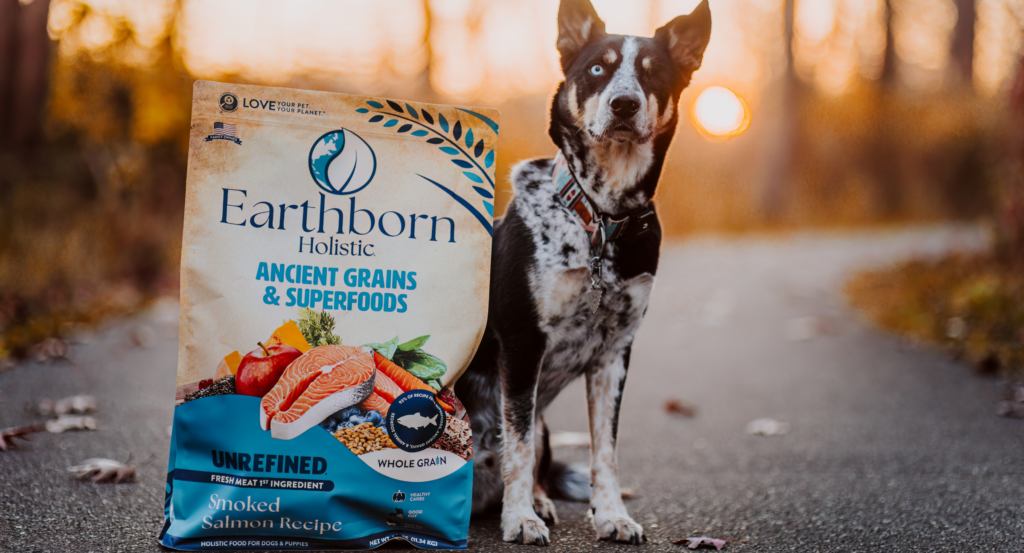
That’s exactly the approach we take at Earthborn Holistic. Our Ancient Grains dog food recipes feature quinoa as a key part of formulas designed to deliver balanced nutrition with high-quality ingredients.
More and more, pet parents are looking for food with ingredients they recognize. Instead of old recipes that use fillers, they want modern formulas built around thoughtfully selected ingredients. When you choose a food with an ingredient like quinoa, you’re choosing a formula that may offer nutritional variety as part of a balanced diet for your pup.
Key Takeaways
- Most dogs can eat quinoa safely. Plain, fully cooked quinoa can be safe for many dogs when served in moderation. The safest approach is to introduce quinoa slowly and make sure it complements, rather than replaces, the core nutrients in your dog’s regular meals.
- Preparation matters. Always rinse and cook quinoa well before serving it. This helps reduce the naturally-occurring chemical coating, which may otherwise contribute to intestinal irritation, an upset stomach, or other mild digestive issues.
- Portion size should match your dog. How much quinoa a dog can handle depends on body size and tolerance. Small dogs and extra small dogs should only get a tiny amount, medium dogs can handle a little more, and large dogs may tolerate a modest spoonful as part of a broader balanced meal.
- Quinoa is a helpful add-in, not a full meal. Quinoa can contribute essential nutrients, vitamins and minerals, and fiber, but it shouldn’t replace animal protein. It works best as a small, supportive ingredient within a well-rounded diet focused on long-term overall health.
- Some dogs may not tolerate it well. Dogs with food allergies, sensitive stomachs, or existing food sensitivities may not respond well to quinoa. Anytime you introduce a new food, watch for loose stool, itching, vomiting, or other signs of adverse reactions.
What Should You Remember Before Feeding Quinoa to Your Dog?
So, can dogs eat quinoa? In many cases, yes. Quinoa can be a smart addition to a dog’s routine because it offers essential nutrients, complex carbohydrates, and a source of complete protein. This explains why quinoa appears in many dog foods and why so many pet parents ask whether quinoa for dogs makes sense.
The most important thing is to keep it simple and balanced. Serve quinoa plain, introduce it slowly, and use it as one small part of a thoughtful diet built around your dog’s individual needs. When used carefully, quinoa can be a wholesome ingredient that supports your dog’s wellbeing without overcomplicating mealtime.