Is Grain-Free Dog Food Good for Dogs? Benefits & Risks
Key Takeaways
Is grain-free dog food good for dogs? Pet parents and dog owners often feel overwhelmed when choosing between grain-free dogs diets and grain inclusive diets. The truth is, both options can provide complete and balanced nutrition when selected carefully.
Dogs can thrive on either approach. Their digestive systems can process grains, legumes, and ingredients like sweet potato, converting them into usable energy.
Grain-free dog food uses alternative carbohydrates such as potatoes and legume seed ingredients, while grain-inclusive options rely on grains like wheat, rice, and oats.
Ultimately, the best choice depends on your dog’s diet, life stages, and individual health needs not trends or marketing claims.
Introduction
Many pet owners ask this question when choosing the right diet for their pet. Others wonder if dogs need grains, are grains bad for dogs, or whether to choose grain or grain free dog food.
The confusion is understandable. With so many options available, it’s hard to know what’s actually best when you want to feed your dog a healthy, balanced diet.
The reality is simpler than it seems. Dogs can eat grains, and they can also thrive without them. The key is understanding how food and grain choices affect your dog’s overall health, including their immune system, digestion, and energy levels.
Grain vs Grain-Free Dog Food: What’s the Difference?
When comparing grain vs grain-free dog food, the main difference lies in the source of carbohydrates. Both types deliver energy, but through different ingredients.
What Makes a Dog Food Grain-Free
Grain free pet foods exclude traditional grains like wheat, corn, rice, oats, and barley. Instead, they use ingredients such as sweet potato, peas, lentils, and chickpeas.
These alternatives are often easily digestible and provide fiber and energy similar to grains. However, many formulas rely heavily on legume seed ingredients, which can affect the balance of nutrients if not properly formulated.
That’s why checking ingredient lists is essential. Look for quality proteins as the primary ingredient to ensure your dog gets proper nutrition.
What Grain-Inclusive Dog Food Contains
Grain inclusive diets include whole grains such as brown rice, oats, and grains like wheat. These ingredients provide essential nutrients like fiber, B vitamins, and minerals that support overall health.
Whole grains can also help maintain digestive health and provide steady energy throughout the day. For many dogs, these foods are both nutritious and easily digestible.
How Both Diets Support Your Dog’s Health
Whether grain-free or grain-inclusive, both diets aim to be complete and balanced. They supply the essential nutrients your dog needs to support muscle growth, organ function, and immune system health.
Dogs are omnivores, meaning they can eat grains as well as meat and vegetables. So while grains aren’t strictly required, they are not inherently harmful either.
Do Dogs Need Grains in Their Diet?
A common question among pet parents is: do dogs need grain in their diet?
The answer is no, dogs do not require grains to survive. However, that doesn’t mean grains are bad. In fact, many experts agree that grains can be beneficial.
So, are grains good for dogs? In many cases, yes. Whole grains provide essential nutrients, support digestion, and contribute to long-term health.
At the same time, some dogs with sensitivities may benefit from avoiding grains. This leads to ongoing debate around whether grain is bad for dogs or is grains good for dogs. The truth is, it depends entirely on the individual dog.
Is Grain-Free Dog Food Good for Puppies?
Many pet parents also ask: is grain free food good for puppies or is grain-free good for puppies?
Puppies have specific nutritional requirements tied to their growth and development. During these early life stages, they need diets labeled complete and balanced for growth.
Grain free dog food for puppies can be a good option if it meets these standards. However, it’s important to question whether grainfree puppy food is better in all cases the answer is not always.
Some grain-free formulas may lack certain nutrients naturally found in grains, so careful formulation is key. Always consult a veterinarian before choosing a puppy diet.
Benefits of Grain-Free Dog Food
Grain-free diets can be helpful for some dogs, especially those with food sensitivities or digestive issues.
These diets often include easily digestible carbohydrates like sweet potato and legumes, which can support steady energy levels.
Additionally, grain-free formulas sometimes contain higher levels of quality proteins, which may benefit active dogs.
Some pet owners also believe that why grain-free dog food is good comes down to avoiding allergens, although true grain allergies are relatively uncommon.
Potential Concerns with Grain-Free Diets
While grain-free diets can be beneficial, there are also concerns to consider.
Some studies have explored a possible link between grain free pet foods and taurine deficiency, a condition that can impact heart health in dogs.
This doesn’t mean all grain-free diets are unsafe, but it highlights the importance of choosing reputable brands with balanced formulations.
Over-reliance on legume seed ingredients instead of a balanced mix of nutrients may also create nutritional gaps if not carefully managed.
Benefits of Grain-Inclusive Dog Food
Grain-inclusive diets offer several advantages. Whole grains provide fiber, support digestion, and help regulate weight by promoting fullness.
They also supply essential nutrients that contribute to skin health, energy levels, and immune system function.
For many dogs, grain inclusive diets are a reliable and well-researched option that supports long-term health.
Choosing the Right Diet for Your Dog
There is no one-size-fits-all answer to the question: is grain-free dog food good for dogs.
The best approach is to focus on your individual dog’s needs. Consider their age, activity level, and any digestive issues they may have.
Pay attention to how your dog responds to their food. Healthy digestion, a shiny coat, and consistent energy are good indicators that their diet is working.
Whether you choose grain-free or grain-inclusive, always prioritize:
- High-quality ingredient lists
- Complete and balanced nutrition
- Appropriate formulas for your dog’s life stages
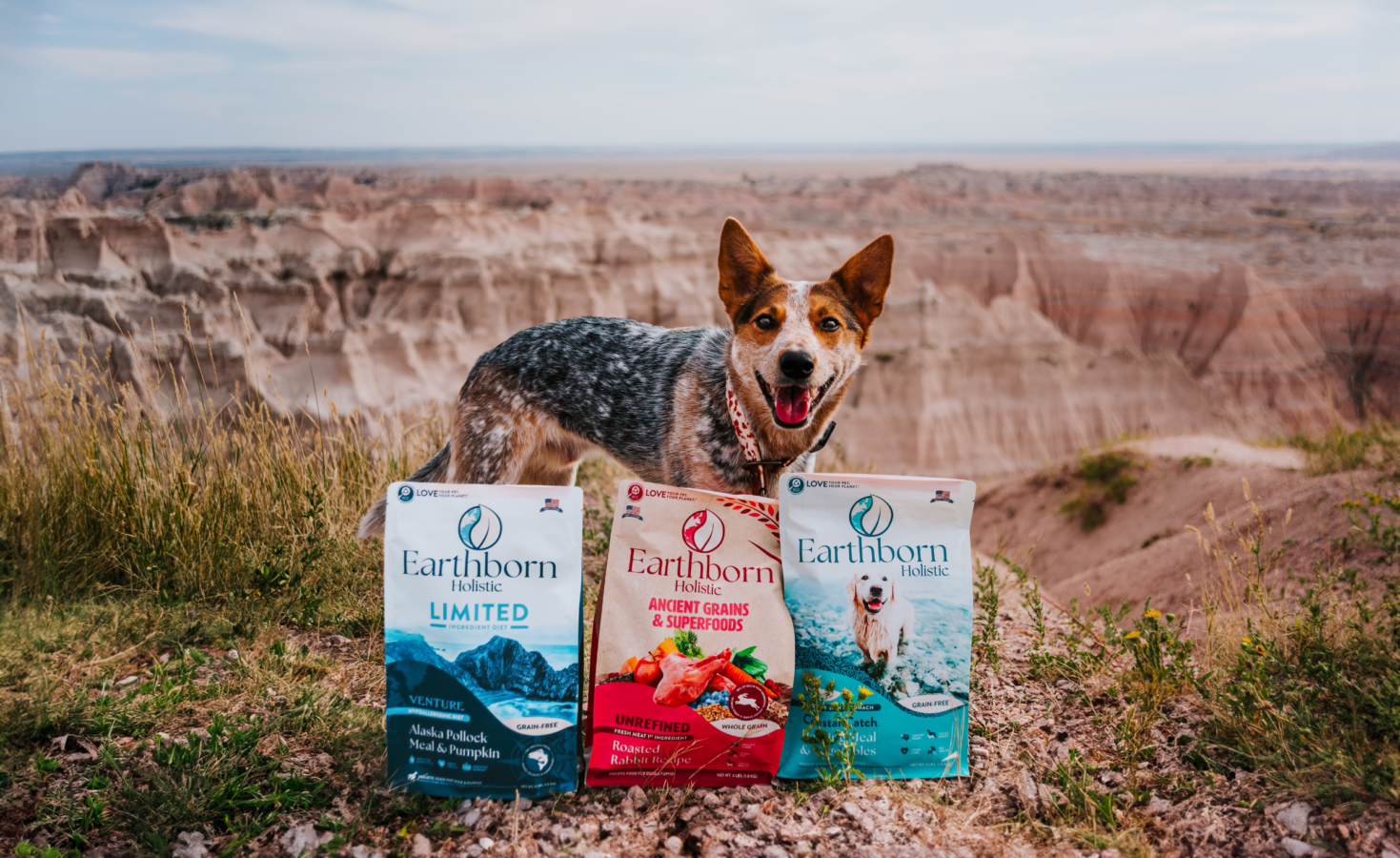
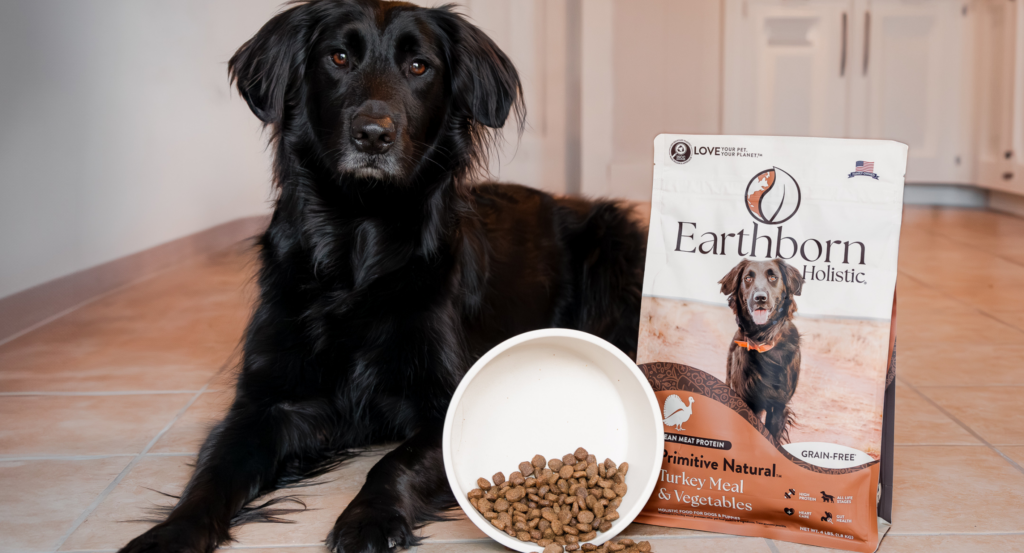
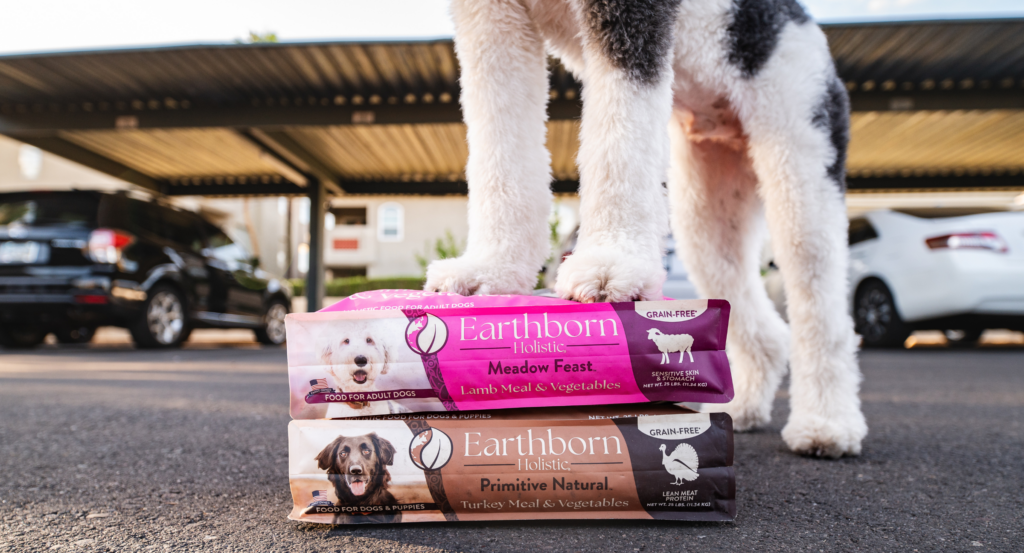
Earthborn Holistic offers both grain-free and grain-inclusive options, making it easier for pet owners to choose a formula that fits their dog’s specific nutritional needs.
Conclusion
So, is grain-free dog food good for your dog? It can be but it’s not automatically better.
Both grain-free and grain-inclusive diets can support a healthy dog’s diet when properly formulated. Dogs can eat grains, benefit from them, or thrive without them depending on their individual needs.
Instead of focusing on trends, pet parents should aim to feed your dog a diet that delivers essential nutrients, supports digestion, and keeps them active and healthy.
In the end, the best choice is the one that helps your dog live a long, happy, and healthy life.