Why Your Dog’s Poop is Soft
As a devoted pet parent, you may find yourself puzzled when your dog’s poop appears soft, yet they seem to be acting perfectly fine. This situation can be concerning, but it’s essential to understand that soft stool in dogs can arise from various factors, many of which are not serious. In this article, we will explore the common causes of soft stool, what you can do about it, and when to seek veterinary advice to help understanding why your dog’s poop is soft.
What Does Healthy Dog Poop Look Like?
Before diving into the reasons behind soft stool, it’s crucial to know what constitutes healthy dog poop. A well-formed stool is typically:
- Log-shaped: It should resemble a firm log, not too hard or too soft.
- Color: Medium to dark brown is the ideal color, indicating a balanced diet.
- Moisture: Healthy poop is moist but not sticky or runny.
- Free from foreign materials: There should be no visible mucus, blood, or undigested food.
If your dog’s stool consistently meets these criteria, it’s a good sign that their digestive health is on track.
Common Causes of Soft Stool in Dogs
1. Dietary Changes
One of the most common reasons for why my dog’s stool is soft is a sudden change in diet. Dogs can be sensitive to new foods, and even a minor switch can upset their digestive system. This includes:
- New dog food: Transitioning to a different brand or flavor can lead to digestive upset.
- Table scraps: Feeding your dog human food, especially rich or fatty items, can cause soft stool.
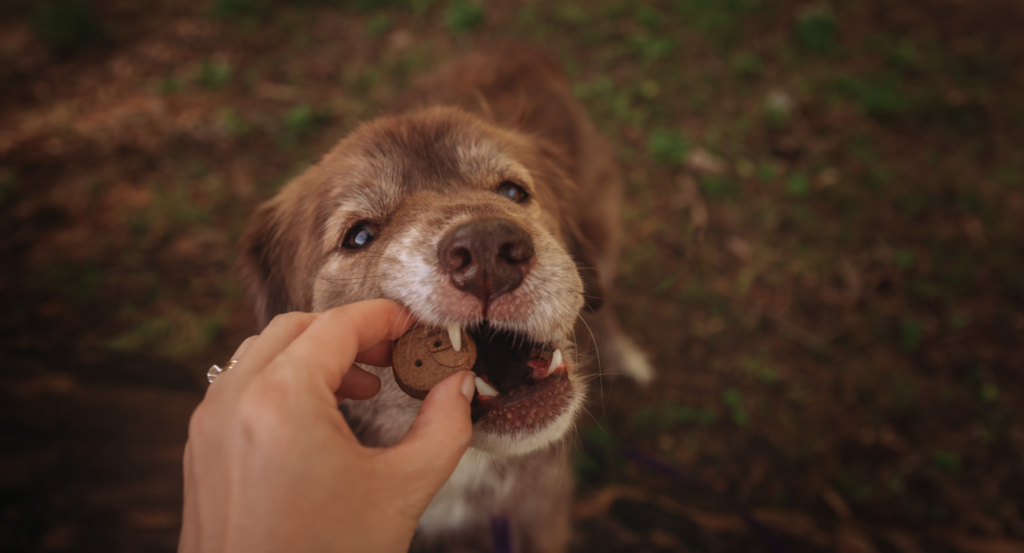
- Treats: Introducing new treats, particularly those high in fat or sugar, can also lead to loose stool.
2. Food Sensitivities and Food Allergies
Some dogs may have food sensitivities or allergies that manifest as digestive issues. Common allergens include:
- Grains: Some dogs may struggle to digest grains like wheat or corn.
- Proteins: Beef, chicken, or lamb can be problematic for certain dogs.
- Dairy: Many dogs are lactose intolerant and may experience soft stool after consuming dairy products.
3. Stress and Anxiety
Just like humans, dogs can experience stress, which can affect their digestive health and bowel movements. Situations that may cause stress include:
- Changes in routine: Moving to a new home or changes in the household can lead to anxiety.
- Travel: Car rides or trips can upset a dog’s stomach.
- New environments: Boarding or visiting unfamiliar places can trigger stress-related digestive issues.
4. Gut Bacteria Imbalance
The gut microbiome plays a significant role in a dog’s digestive health. An imbalance in gut bacteria can lead to soft stool. This can occur due to:
- Antibiotic use: Antibiotics can disrupt the natural balance of gut bacteria.
- Dietary indiscretion: Eating something they shouldn’t, like garbage or spoiled food, can upset their gut flora.
5. Infections and Parasites
In some cases, soft stool may indicate a more serious issue to help understanding why your dog’s poop is soft, such as infections or parasites. Common culprits include:
- Intestinal parasites: Worms like giardia or roundworms can cause diarrhea.
- Bacterial infections: Infections from bacteria like Salmonella or E. coli can lead to loose stool.
- Viral infections: Canine parvovirus is a severe condition that can cause diarrhea and requires immediate veterinary attention.
When to Consider a Bland Diet
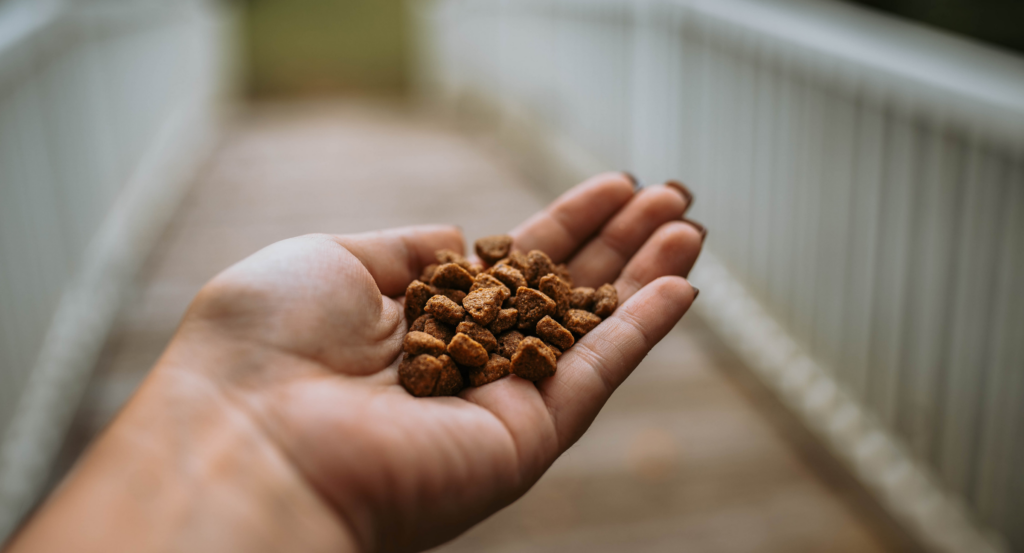
A bland diet can be beneficial for dogs experiencing mild digestive upset. This typically includes:
- Boiled chicken: Skinless and boneless chicken is easy on the stomach.
- White rice: A gentle carbohydrate that can help firm up stool.
When It Helps
- Mild dietary indiscretion: If your dog has eaten something they shouldn’t but is otherwise acting normal.
- Transitioning diets: When switching to a new food, a bland diet can help ease the transition.
When It Doesn’t Help
- Persistent symptoms: If your dog’s stool remains soft after 24-48 hours on a bland diet, it’s time to consult your veterinarian.
- Additional symptoms: If your dog shows signs of vomiting, lethargy, or loss of appetite, seek veterinary care immediately.
Portion Sizes and Overeating Effects
Feeding your dog the right portion size is crucial for maintaining digestive health and play a part in understanding why your dog’s poop is soft. Overeating can lead to soft stool and other digestive issues. Here are some guidelines:
- Follow feeding guidelines: Check the feeding recommendations on your dog food packaging based on their weight and activity level.
- Monitor treats: Treats should not exceed 10% of your dog’s daily caloric intake.
- Watch for signs of overeating: If your dog is bloated, lethargic, or has soft stool after meals, they may be overeating.
Understanding the Stool Chart
To help you identify the condition of your dog’s stool, here’s a simple stool chart:
| Stool Type | Description | Health Indicator |
| Healthy Stool | Log-shaped, medium to dark brown, moist | Good digestive health |
| Soft Stool | Shapeless but not watery | Possible dietary upset |
| Diarrhea | Watery, frequent, may contain mucus | Potential infection or illness |
When to Contact Your Veterinarian
As a responsible pet parent, it’s essential to know when to seek veterinary advice to help you understand why your dog’s poop is soft. You should contact your veterinarian if:
- Soft stool persists: If your dog’s stool remains soft for more than 48 hours.
- Accompanying symptoms: If your dog shows signs of vomiting, lethargy, or loss of appetite.
- Blood in stool: Any presence of blood, whether bright red or dark, should be treated as an emergency.
- Signs of dehydration: If your dog is drinking less water or appears lethargic, seek immediate care.
Conclusion
While soft stool in dogs can be concerning, it is often a temporary issue that can be managed with dietary adjustments and monitoring. Understanding why your dog’s poop is soft, the potential causes, and knowing when to seek veterinary help to get a physical exam can ensure your furry family member remains healthy and happy.
Always remember that your dog’s health is a priority, and being proactive about their digestive health can lead to a longer, more comfortable life. If you have any concerns about your dog’s stool or overall health, don’t hesitate to reach out to your veterinarian for guidance.