Can Cats Eat Pumpkin? Benefits, Risks, and How to Serve It Safely
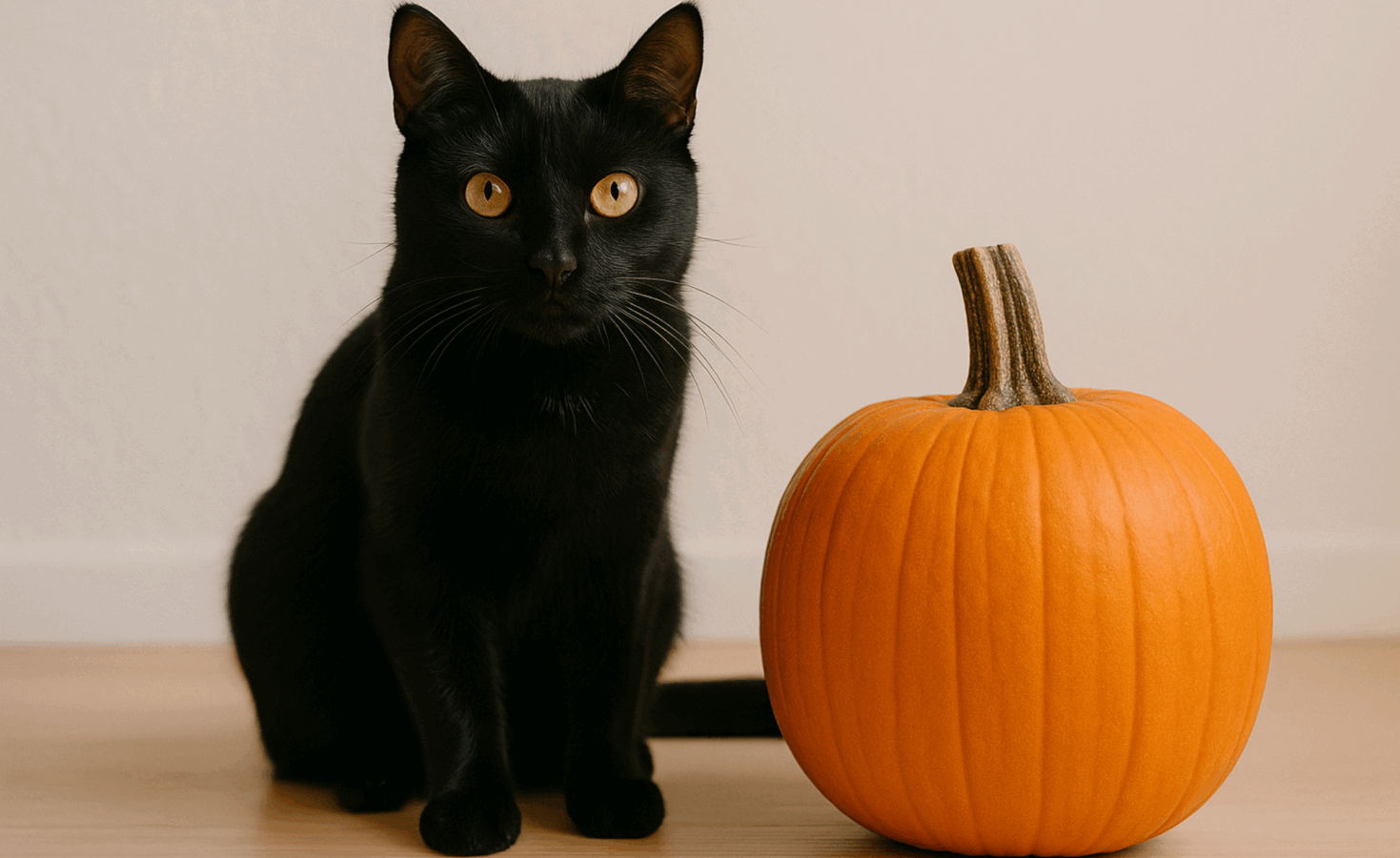
Pumpkin is a favorite veggie for many humans, but if you’re a pet parent you might be wondering – can cats eat pumpkin too? The short answer is yes, but it depends on the type of pumpkin and how it’s served. With the right approach, this orange squash can be a safe and even beneficial treat for your feline friend.
In this article, we’ll cover the benefits of adding pumpkin to your cat’s diet, which types are safe, and what to avoid. You’ll also learn how much pumpkin is okay to feed, signs to watch for, and when to talk to your vet.
Why Add Pumpkin to Your Cat’s Diet?
Pumpkin isn’t just a trendy human food. It can actually offer a few specific benefits for cats when added in small, controlled amounts. Here’s how it can help:
Supports Digestive Health
Pumpkin is well known for its fiber content, which can support a healthy digestive tract. If your cat is struggling with constipation or mild diarrhea, adding pumpkin to their food can help regulate things. The soluble fiber adds bulk to the stool and can help ease minor digestive discomfort.
It’s often recommended for constipated cats as a natural way to get things moving again. Just make sure to use plain pumpkin with no added sugars or spices.
Helps with Weight Management
Cats are obligate carnivores, but that doesn’t mean small portions of pumpkin are off-limits. The fiber in pumpkin can make your cat feel full without adding too many calories. That makes it a useful tool for weight management, especially in overweight cats.
Since it’s low in fat and calories, pumpkin can be a smart add-on if you’re trying to help your cat lose weight without feeling hungry.
Provides Moisture and Nutrients
Pumpkin has a high water content, which can be helpful for cats that don’t drink enough. This extra moisture may support urinary health and reduce the risk of dehydration.
Pumpkin also contains vitamins A, C, and E, as well as beta carotene. While it’s not nutritionally complete on its own, it can complement your cat’s regular food when used wisely.
Which Types of Pumpkin Are Safe for Cats?
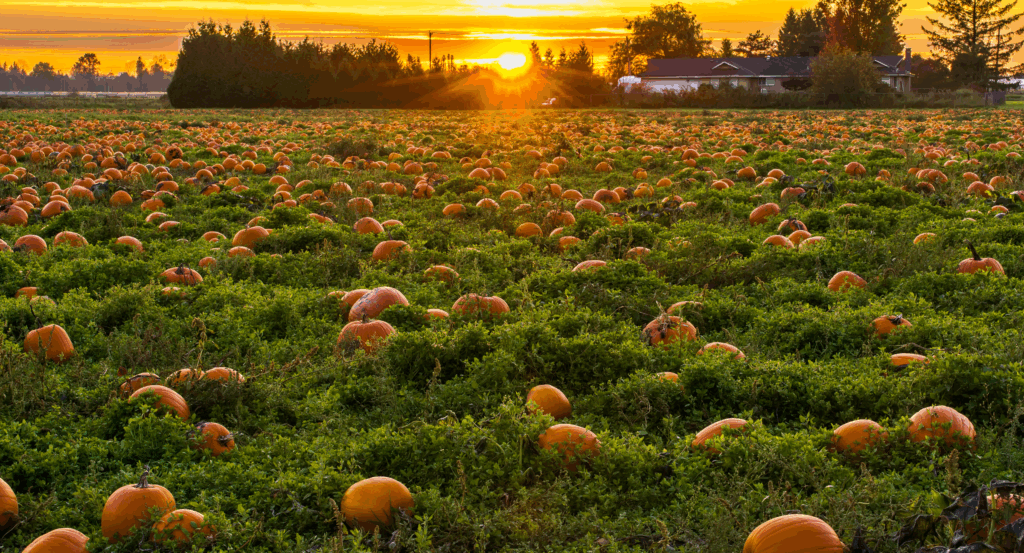
Not all types of pumpkin are safe for cats, as some may contain added sugars or spices that could be harmful to them. Here are the best types to use:
Plain Cooked or Canned Pumpkin
Plain pumpkin is the safest choice. Look for unsweetened canned pumpkin or plain cooked pumpkin with no additives. Canned pumpkin puree (not canned pumpkin pie filling) is convenient and widely recommended by vets.
Always read labels to make sure there’s nothing but pumpkin listed as the ingredient. If there are any added spices or sugar, don’t use it for your cat.
Fresh or Cooked Pumpkin Flesh
If you prefer to use fresh pumpkin, that works too. Just be sure to cook it thoroughly and remove the skin and seeds. Raw pumpkin is hard for cats to digest and could cause stomach upset. Cooked pumpkin flesh should be soft and free of added spices before offering it to your cat.
Pumpkin Seeds
Pumpkin seeds can be safe for cats if they’re cleaned, roasted, and ground. Whole seeds may pose a choking hazard or cause digestive issues. Crushed or powdered seeds are easier to digest and can be mixed with your cat’s food. Only offer a very small amount and skip any that are salted or flavored.
Pumpkin Products to Avoid
Some pumpkin-based foods are made for human taste buds, not cat safety. Keep these pumpkin products far from your feline friend’s dish:
Pumpkin Pie
Pumpkin pie may seem harmless, but it contains sugar, dairy, and spices that can upset your cat’s stomach. Even a small bite of pie could cause symptoms like stomach pain, nausea, diarrhea, or more severe gastrointestinal issues. Cats don’t tolerate sugar well, so pumpkin pie is a definite no-go!
Pumpkin Pie Filling
Canned pumpkin pie filling is not the same as canned pumpkin. It often includes added sugars, spices, and sometimes even artificial ingredients.
These additives can be harmful to cats, so it’s important to read the label carefully. Make sure you’re choosing pure pumpkin, not a pre-made mix.
Pumpkin Treats Made for Humans
Cookies, muffins, and other pumpkin treats made for people often contain ingredients like chocolate, nutmeg, or xylitol, which are toxic to cats.
Even if they’re pumpkin-flavored, they’re not safe for feline consumption. Instead, stick with plain, cooked pumpkin or pureed pumpkin made specifically for cats.
How Much Pumpkin Can You Feed a Cat?
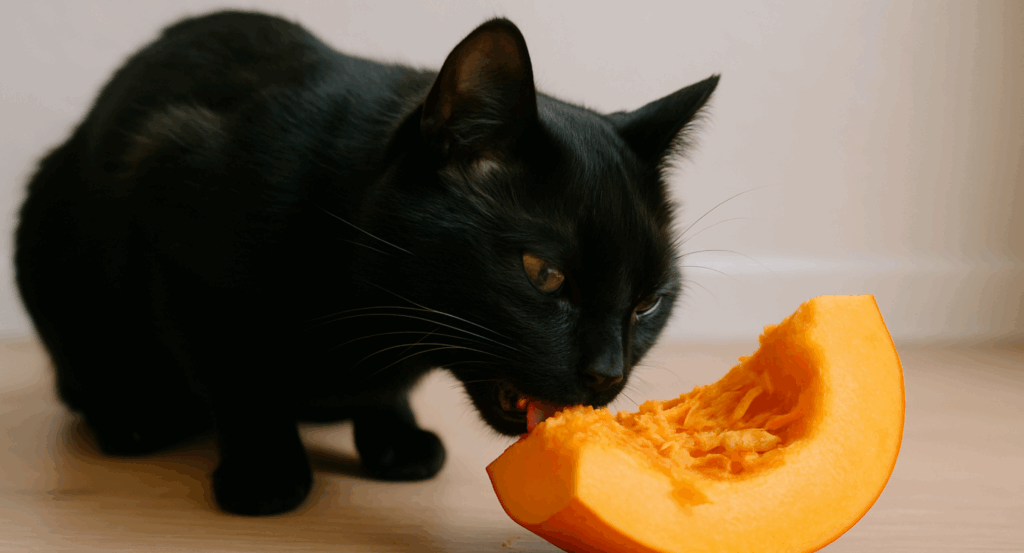
Pumpkin is safe in small amounts, but moderation is key. Here’s how to introduce it without causing any issues:
Start with Small Quantities
When offering pumpkin to your cat for the first time, start with about 1 teaspoon. Mix it into their regular food and monitor their response. Some cats love the taste, while others might not be interested at all. Introducing a new food too quickly can cause digestive upset, so it’s always best to go slow.
Adjust Based on Health Needs
Some constipated cats may benefit from slightly larger servings, up to a tablespoon per day, depending on their size. But always check with your vet before making significant changes to your cat’s diet or treatment plan.
Every cat is different, so the right amount of pumpkin will depend on their individual needs, overall health, and any medical conditions they may have.
If you’re looking for an easy and safe way to feed pumpkin without the guesswork, choosing a high-quality cat food that already includes pumpkin is a great option. It takes the pressure off measuring, preparing, and monitoring homemade portions.
Two excellent choices are Earthborn Holistic Primitive Feline and Earthborn Holistic Wild Sea Catch. Both recipes are grain-free, protein-rich, and formulated with added pumpkin to support healthy digestion and provide essential nutrients.
Feeding a nutritionally complete cat food with pumpkin already included can be a smart and convenient solution for pet parents who want to introduce the benefits of pumpkin without adding a separate ingredient.
Risks of Feeding Too Much Pumpkin
Even healthy foods can cause issues if overfed. Here are a few potential risks of giving your kitty too much pumpkin:
Digestive Upset or Diarrhea
Adding too much pumpkin at once can upset your cat’s stomach, leading to loose stools or diarrhea. Cats may struggle with a sudden increase in fiber, so it’s best to start with small amounts and keep an eye on their bowel movements.
Disrupts a Balanced Diet
Pumpkin can be a healthy addition to your cat’s diet, but it should never replace a protein-rich, meat-based diet. Cats require specific nutrients found only in meat, and feeding too much pumpkin can dilute their intake of these essential nutrients, disrupting their nutritional balance. Instead, pumpkin should be given as a supplement, not as a primary ingredient.
When Should You Talk to Your Vet About Pumpkin?
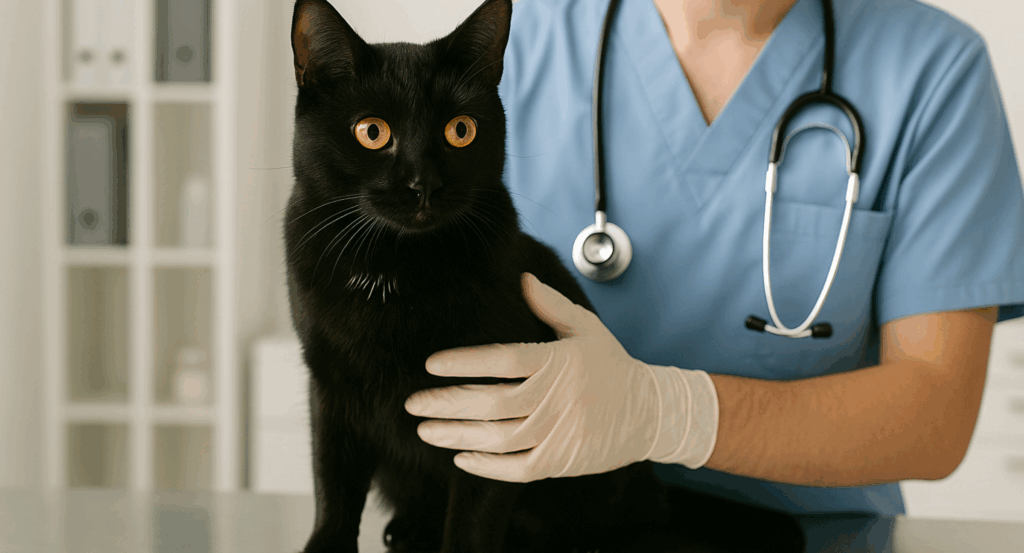
If your cat has ongoing digestive issues, struggles with weight, or has a medical condition, it’s always smart to check with your veterinarian before adding anything new to their diet. Your vet can help determine if pumpkin is appropriate and how much is safe.
You should also talk to your vet if you notice any negative reactions after feeding pumpkin, especially if your cat stops eating, shows signs of discomfort, or has persistent diarrhea. These may signal that pumpkin isn’t a good fit, or that it’s interfering with a nutritionally complete diet.
Key Takeaways
- Yes, cats can eat pumpkin, but only certain types. Stick with plain, cooked or canned pumpkin with no added sugars, spices, or flavorings.
- Pumpkin offers several benefits. It can help with digestion, support weight management, and add moisture to your cat’s diet when used in small amounts.
- Feed pumpkin in moderation. Start with a teaspoon mixed into your cat’s regular food, and monitor for any signs of digestive upset like diarrhea or vomiting.
- Mix it into familiar food. This helps your cat adjust to the taste and texture while reducing the chance of rejection or stomach upset.
- Avoid human pumpkin products. Pumpkin pie, pie filling, muffins, and flavored treats often contain ingredients that are unsafe for cats.
- Watch for side effects. If your cat experiences any changes in appetite, stool, or behavior after eating pumpkin, stop and consult your vet.
- Talk to your vet. This is especially important if your cat has chronic health issues or you’re planning to make pumpkin a regular part of their diet.
Is Pumpkin a Healthy Addition to Your Cat’s Diet?
Pumpkin can be a helpful supplement for cats when fed in small, safe amounts. Its fiber content supports digestion, and its low calorie profile can be useful for cats that need help managing their weight. Just be sure to use the right type and avoid overfeeding.
If you’re considering adding pumpkin to your cat’s meals, start slow and keep an eye on how they respond. For the best results, talk to your vet and work together on a plan that supports your cat’s health and happiness.
Wondering if pumpkin is good for your canine companion? Check out our previous article, Can Dogs Eat Pumpkin?