Can Cats Eat Bacon? What Pet Parents Need to Know About This Salty Snack
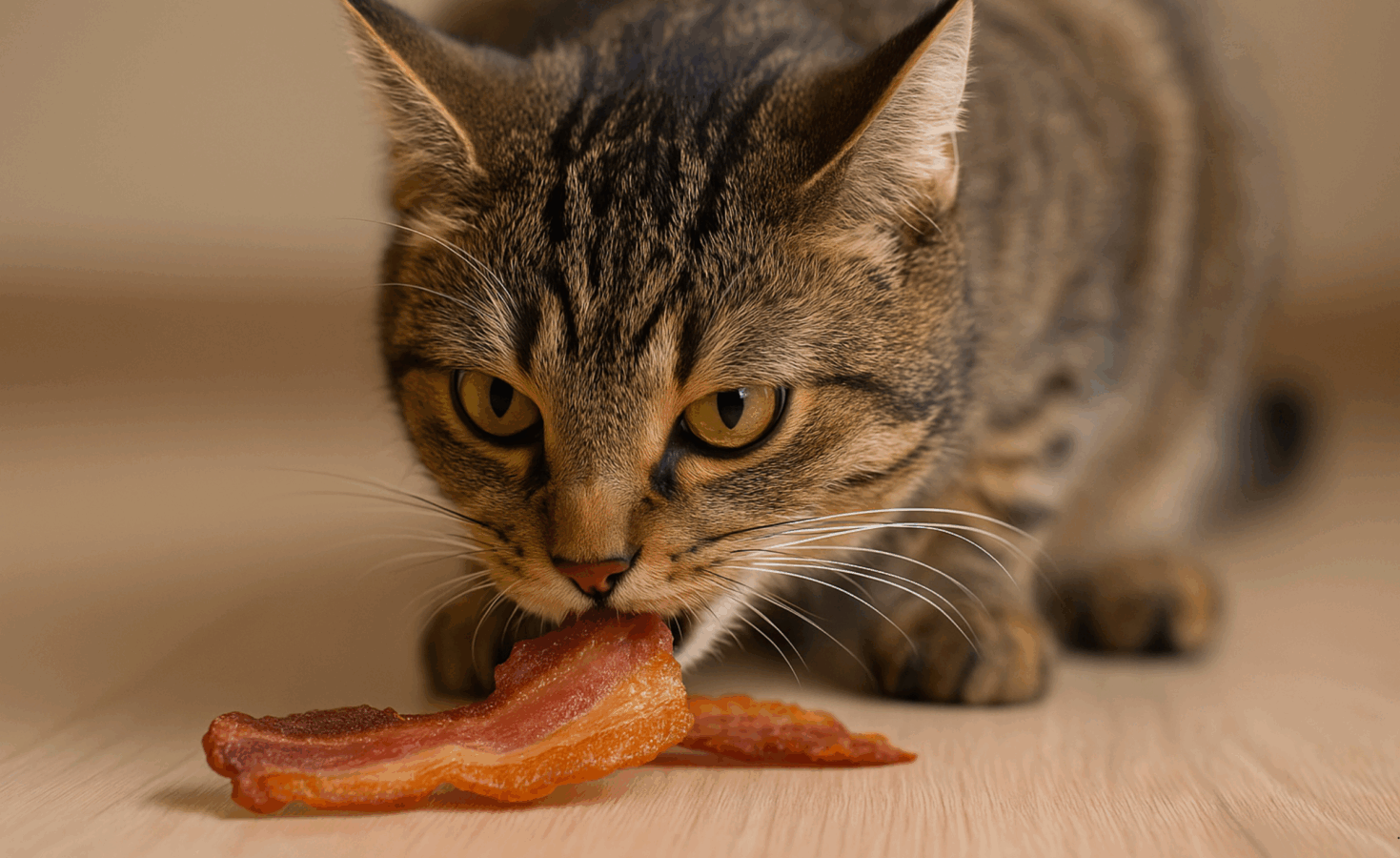
Bacon is one of those foods that seems to grab everyone’s attention, including your cat’s. That rich, smoky aroma can bring even the sleepiest kitty trotting into the kitchen. But just because your feline friend seems interested doesn’t mean it’s a good idea to share.
In this article, we’ll explore why cats are drawn to bacon, the risks of letting them eat it, and which protein-rich foods are better for their diet. We’ll also cover what to do if your cat sneaks a bite, and share some practical tips to help you make informed decisions about your cat’s food.
Why Bacon Is Tempting but Risky for Cats
Cats have an incredible sense of smell, and bacon sends out a strong signal. It’s easy to understand why they might try to snag a piece, especially when it’s sizzling on the stove.
But while bacon is a special treat many humans love, it’s not made with your cat’s health in mind. Let’s look at what makes it so appealing and why that’s a problem.
The Scent That Gets Your Cat’s Attention
Cats have a strong sense of smell, and bacon is one of those foods that immediately grabs their attention. When it’s cooking, the aroma is intense, savory, and meaty – all things that appeal to a natural carnivore.
It’s common for cats to wander into the kitchen, paw at the counter, or meow when bacon’s on the stove. While the interest is normal, it doesn’t mean bacon is a safe or healthy choice.
What’s Really in Bacon?
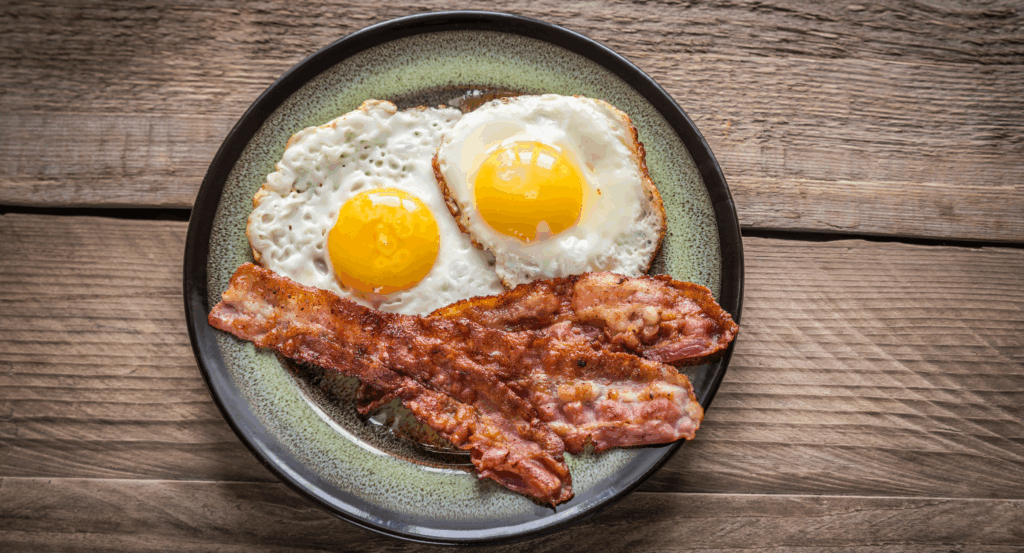
Bacon may be made from pork, but it’s far from a simple cut of meat. It’s processed, cured, and often loaded with added salt and seasonings to enhance flavor. While these extras make bacon tasty for humans, they aren’t suited to a cat’s dietary needs.
Some varieties may also contain harmful ingredients like garlic or onion powder, which are toxic to cats. Even if it looks like plain meat, bacon is anything but plain when it comes to your cat’s health.
Health Risks of Feeding Bacon to Cats
A tiny nibble might not seem like a big deal, but bacon can cause serious issues over time or in larger quantities. Many of the ingredients that make bacon tasty for humans are actually dangerous for your pet.
Why Bacon Can Harm Your Cat’s Health
Here’s a quick overview of how bacon can negatively affect your furry friend’s health. Even small amounts may trigger symptoms, and regular feeding can lead to more severe problems.
- Too much fat. The high fat content in bacon is more than most cats can handle. It can lead to digestive upset, including vomiting and diarrhea. Over time, excessive fat intake can also contribute to obesity and even pancreatitis.
- Excessive salt. Cats don’t need much sodium in their diet, and bacon contains far too much. Too much salt can lead to dehydration and high blood pressure. In severe cases, it may even cause salt poisoning.
- Toxic ingredients. Many types of bacon are seasoned with garlic or onion powder. Both are toxic to cats and can cause damage to red blood cells, leading to anemia. These ingredients should be avoided at all costs.
- Risk of chronic disease. Regular exposure to fatty, salty foods can raise your cat’s risk for heart disease, kidney issues, and diabetes. Cats with pre-existing conditions or sensitive stomachs are especially vulnerable.
- Not nutritionally balanced. Bacon doesn’t provide the essential nutrients your cat needs to stay healthy. Feeding it as a treat can lead to nutrient imbalances and long-term health issues.
When Bacon Might Be Especially Dangerous
Some cats are more sensitive than others. If your cat already has health issues like kidney problems, heart disease, or a sensitive stomach, eating bacon can make things worse. Older cats or those on prescription diets should never be given bacon, even in small amounts.
Heavily seasoned bacon is especially dangerous. Garlic and onion, even in powdered form, are highly toxic to cats. Even if the amount seems minor, it can lead to serious complications, especially with repeated exposure.
Why Cats Need Healthy, High-Quality Protein
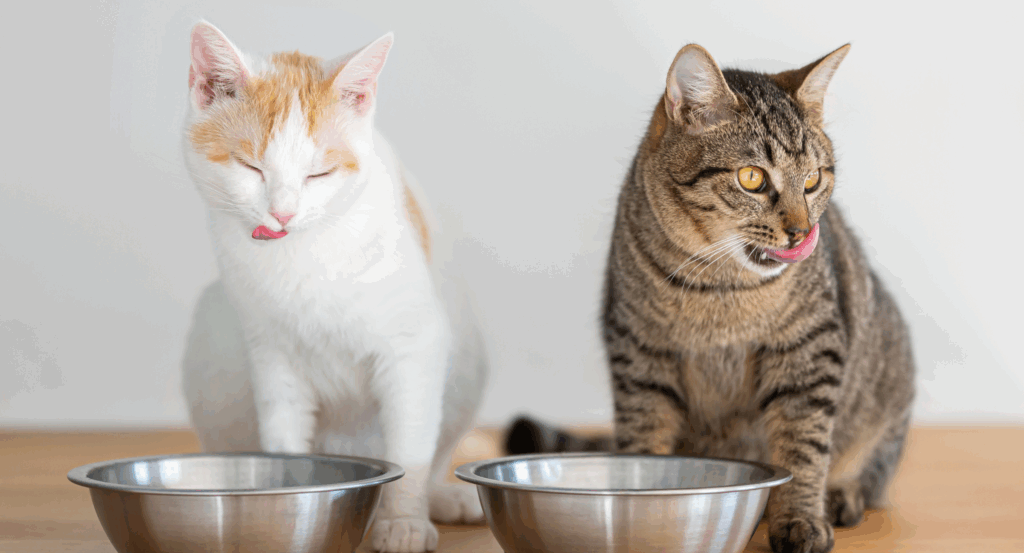
Your cat might be interested in bacon because it’s meat, but not all meat is equal when it comes to nutrition. Cats need protein, but the right kind makes all the difference.
They thrive on a diet rich in clean, high-quality animal protein that supports their muscle health, immune system, and energy levels. Bacon doesn’t meet these standards and can do more harm than good in the long run.
Understanding a Cat’s Nutritional Needs
Cats are obligate carnivores, which means they’re biologically wired to eat a meat-based diet. They need essential amino acids like taurine, arginine, and methionine, which are found in animal protein. Taurine, in particular, is critical for maintaining heart function, vision, and overall development.
Unlike humans or dogs, cats can’t synthesize these nutrients on their own. That’s why their diet must include properly balanced protein sources with the right blend of vitamins and minerals. Processed human foods like bacon don’t deliver this balance and often include harmful extras like excess sodium and saturated fat.
Safer and Healthier Protein Alternatives
If you’re looking to treat your cat with something meaty, stick with plain, cooked proteins that aren’t seasoned. Boiled chicken, turkey, or lean beef are good options in small amounts. Some cats enjoy cooked salmon or tuna, but fish should be given only occasionally and not as a staple.
Commercial cat treats made with real meat are another good option. These are designed specifically for feline nutritional needs and avoid dangerous ingredients. Always read labels to make sure the treats don’t contain garlic, onion, or artificial flavors.
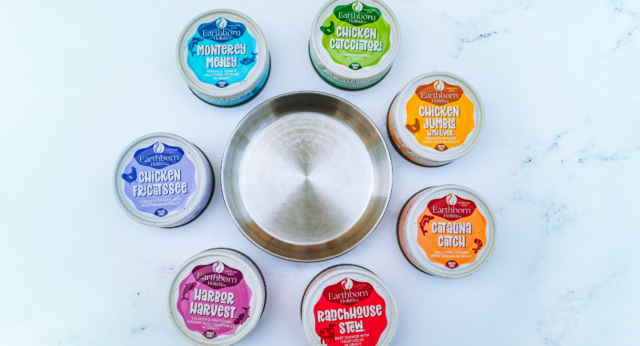
At Earthborn Holistic, we understand how important high-quality protein is for your cat’s health. That’s why our cat food recipes are packed with nutrient-rich animal proteins like turkey, chicken, salmon, and mackerel. We combine these with carefully chosen fruits and veggies, plus essential vitamins and minerals to support a well-rounded diet.
Our holistic recipes cater to different dietary needs while still delivering the energy and nutrition your cat requires. Whether your kitty prefers dry kibble or wet food, Earthborn Holistic offers a variety of flavors that satisfy even picky eaters.
We formulate our foods to support everything from a shiny coat to strong muscles and healthy digestion, so you can feel confident about what’s going into your cat’s bowl.
What to Do If Your Cat Eats Bacon
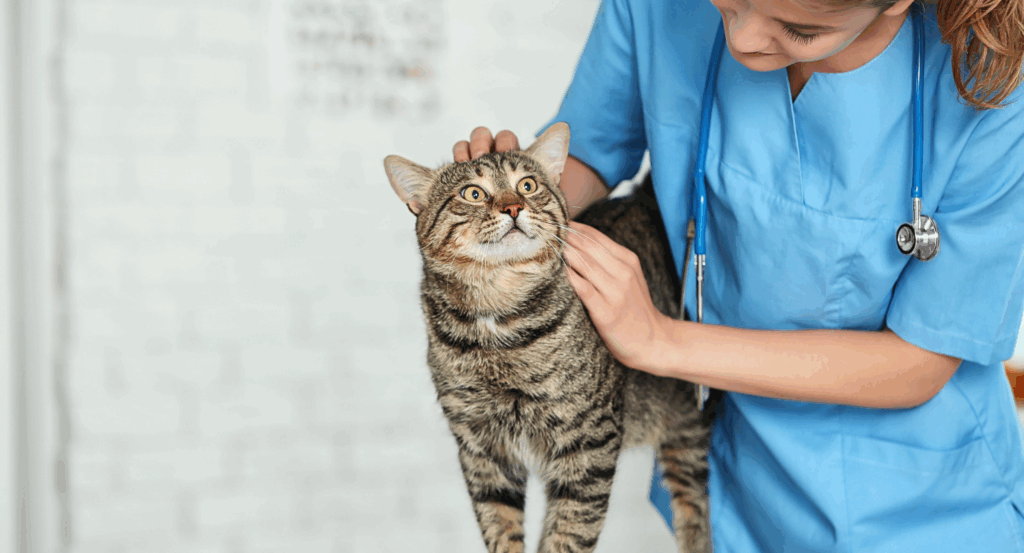
It’s not unusual for a cat to sneak a bite of human food now and then. If your cat eats bacon, don’t panic. The first step is to stay calm and monitor them closely.
Watch for symptoms like vomiting, diarrhea, excessive thirst, or lethargy. If your cat shows any of these signs, or if you suspect they ate a large amount or bacon with toxic seasonings, contact your vet right away.
Make sure your cat has access to fresh water and try to prevent access to fatty or salty foods in the future. If your kitty has a sensitive stomach or any existing health issues, it’s best to be extra cautious.
Key Takeaways
- Bacon isn’t safe for cats to eat regularly. The fat and salt content pose serious health risks, especially over time.
- Cats are drawn to bacon because of the smell. But just because they want it doesn’t mean it’s good for them.
- Even a small amount can upset sensitive stomachs. Vomiting, diarrhea, or dehydration are all possible symptoms.
- Some ingredients in bacon are toxic to cats. Garlic and onion seasoning should always be avoided.
- Healthier protein options are available. Stick with plain, cooked meats or vet-approved cat treats.
- Always monitor your cat if they eat bacon. If in doubt, contact your veterinarian to be safe.
Should You Ever Feed Bacon to Your Cat?
At the end of the day, giving your cat bacon just isn’t a great idea. While it may seem harmless in small amounts, the risks – including obesity, digestive issues, and long-term health problems – far outweigh any potential benefits.
If you’re looking to treat your feline friend, stick with safe, protein-rich options designed for their unique needs. A healthy diet and the occasional approved treat are the best way to keep your kitty happy, strong, and purring for years to come.