Why Do Dogs Nibble on You? Understanding the Behavior
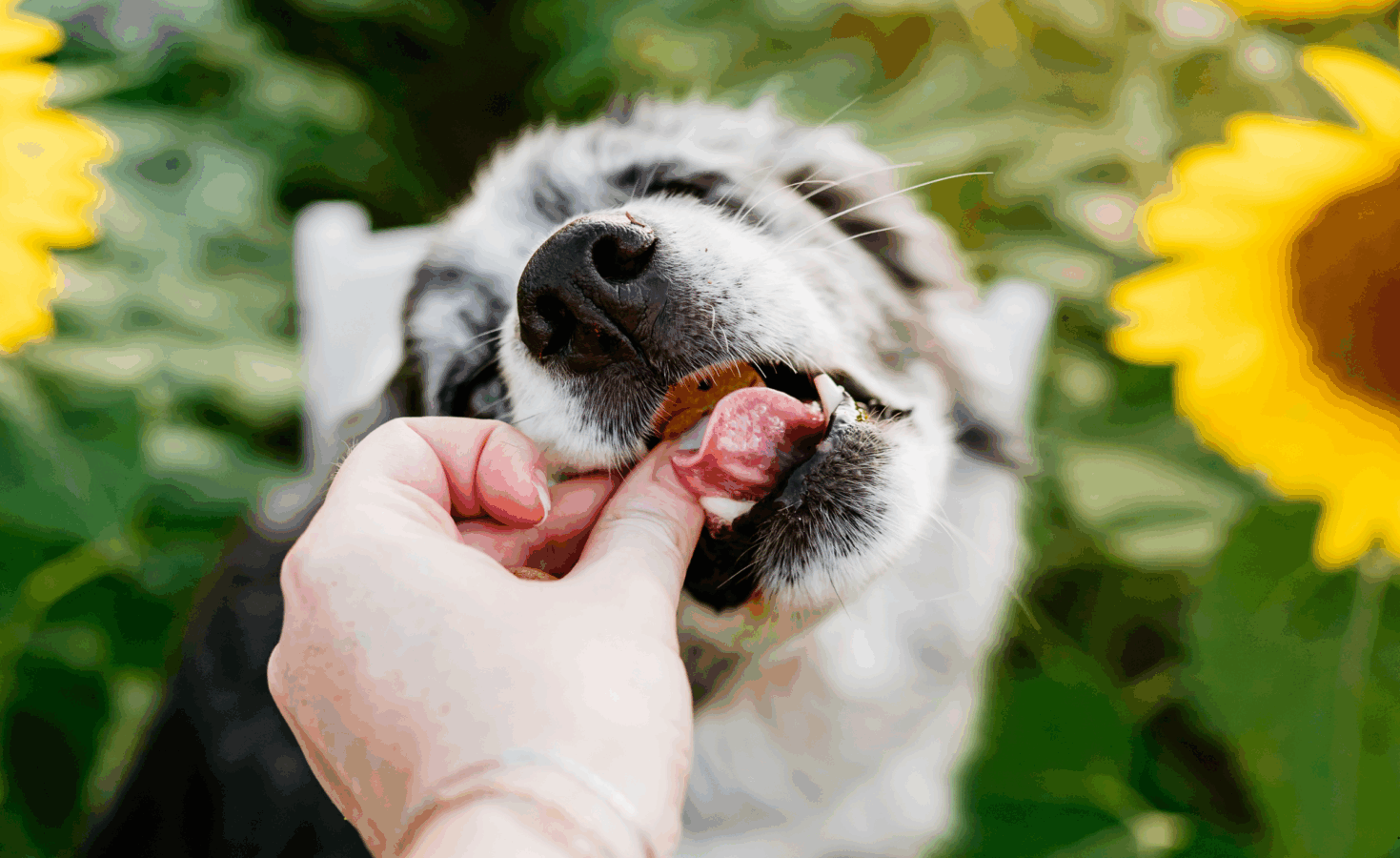
Why do dogs nibble on you? Many pet parents have experienced that moment when their dog gently nibbles on their hand, arm, or clothing and wondered why it happens.
The behavior can feel confusing because it looks a little like biting, yet it rarely carries the same meaning. Instead, nibbling is often tied to a dog’s natural behavior patterns, instincts, and emotional needs.
Keep reading to learn why dogs nibble on you, what gentle nibbling means, and how to understand your dog’s behavior through body language. You’ll also find simple ways to manage the habit, discover when health issues may be involved, and learn how to recognize signs that nibbling has become a problem.
Why Dogs Nibble on People
Dogs nibble people for a mix of instinctive and emotional reasons. The context, the dog’s mood, and the surrounding environment all shape what the behavior means. Understanding these factors helps pet parents respond in a healthy, supportive way.
Here’s a quick overview of some of the most common causes:
Why Do Dogs Nibble on You as a Sign of Affection?
Dogs often use nibbling as a sign of affection. Gentle nibbling mimics grooming behavior that dogs use with other pets in their pack. This type of grooming is a form of communication that reflects trust and bonding.
Some dogs see humans as part of their social group, so they may gently nibble with their front teeth to mimic the same grooming behavior they show toward animals they care about. When a dog gently nibbles, they may simply be showing affection in a language they use naturally.
Why Dogs Nibble on You During Play and Excitement
Many dogs nibble during play because their mouths are one of their primary tools for exploring and interacting. During moments of excitement or high energy, a dog’s nibbling habits may appear naturally. Dogs often combine play with actions that involve their mouths, which can look similar to dog cobbing or gentle nibbles.
These behaviors tend to appear during playtime or when a dog is seeking attention. When a dog nibbles during play, they’re usually expressing joy rather than aggression. The key is watching their body language to understand the difference.
Why Puppies Nibble on You During Teething
Teething puppies experience oral discomfort as their teeth grow in, and nibbling can help relieve stress during this period. A teething puppy will use their mouths to explore the world much like human babies do, which is why bite inhibition training is so important for puppies.
Young pups often use gentle nibbling to soothe their gums or interact with their environment. Teething puppies explore textures, skin, toys, and clothing to understand what is safe to chew. Without guidance, they may continue nibbling as they grow, so this is the best time to encourage chew toys and boundaries.
Why Dogs Nibble on You When They Feel Stressed
Sometimes a dog is nibbling because they are feeling anxious or unsure. Nibbling can be a form of communication that expresses discomfort. In other cases, a dog may nibble to self soothe during moments of stress.
This type of nibbling often appears alongside other signals such as a tucked tail, tense body posture, or dilated pupils. When these signs appear together, it may indicate that the dog is feeling anxious rather than showing affection.
Breed Instincts That Make Dogs Nibble on You
Certain breeds, especially herding dogs, are more likely to nibble due to instincts passed down through generations. These dogs were bred to use their mouths gently to guide animals, so using their teeth as tools is a natural behavior.
Adult dogs may continue cobbing behavior or light nibbling because it feels instinctive and familiar. When dogs nibble on people in these moments, it’s probably not just for attention – it’s just part of their natural behavior.
Dog Body Language to Watch When They Nibble on You
Reading your dog’s body language helps you understand whether their nibbling behavior is relaxed, excited, or connected to stress. Many physical signals can clarify whether the nibbling is a sign of affection or a sign of discomfort. Here are a few signs to look out for:
- Relaxed posture. A dog that has loose muscles, soft eyes, and an easy stance is usually nibbling as a form of affection. This relaxed body language shows that the dog feels comfortable and safe in the interaction.
- Tense body posture. A stiff body, rigid muscles, or frozen position can indicate anxiety. When a dog is nibbling with tension, they may be feeling uncertain or stressed rather than playful.
- Tucked tail. A tail held low or tucked between the legs signals discomfort. If a dog is nibbling while showing this sign, the behavior may be linked to stress or insecurity.
- Dilated pupils. Wide pupils often reflect heightened arousal or fear. When paired with nibbling, this may indicate that the dog is overwhelmed or anxious.
- Pinned-back ears. Ears pulled back tightly can indicate worry or unease. If a dog is nibbling during this posture, the behavior may be an attempt to self soothe or communicate discomfort.
How to Manage Your Dog Nibbling on You
While nibbling is often natural, many pet parents prefer to set boundaries. Training helps your dog understand when nibbling is acceptable and when it isn’t.
Managing the habit is especially important for puppies in their teething phase and for dogs that nibble excessively to seek attention.
The following tips can help you manage nibbling behavior in your furry friend:
How to Redirect Your Dog When They Nibble on You
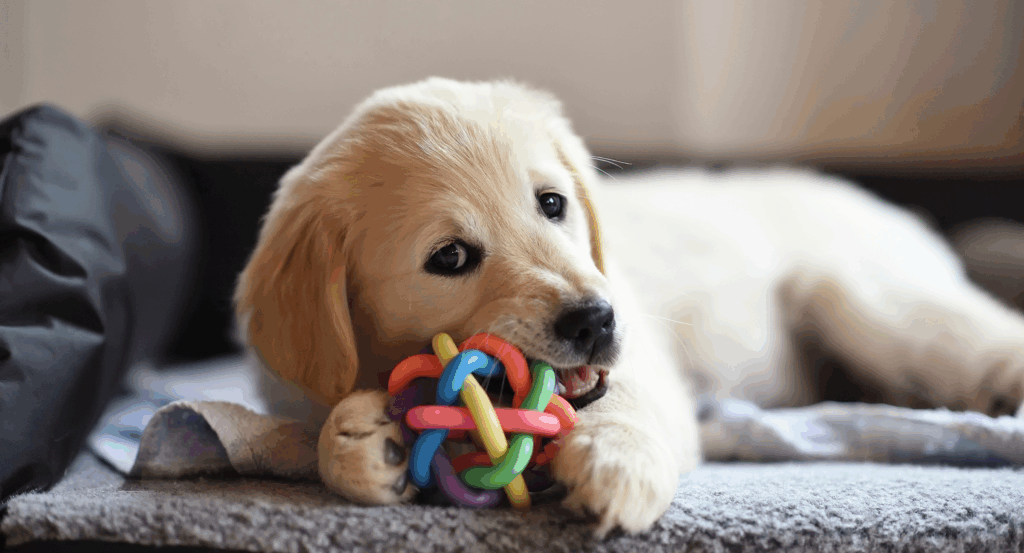
Redirecting nibbling toward chew toys teaches your dog what’s appropriate to put in their mouths. Keeping a chew toy nearby helps a pup or adult dog switch from nibbling your skin to exploring the toy instead. This is especially meaningful for a teething puppy that needs safe ways to self soothe.
Chew toys also help reduce attention seeking nibbling by giving dogs a productive outlet. You can calmly offer your dog a favorite toy when they’re nibbling to help build healthier habits over time.
Using Positive Reinforcement to Stop Your Dog From Nibbling on You
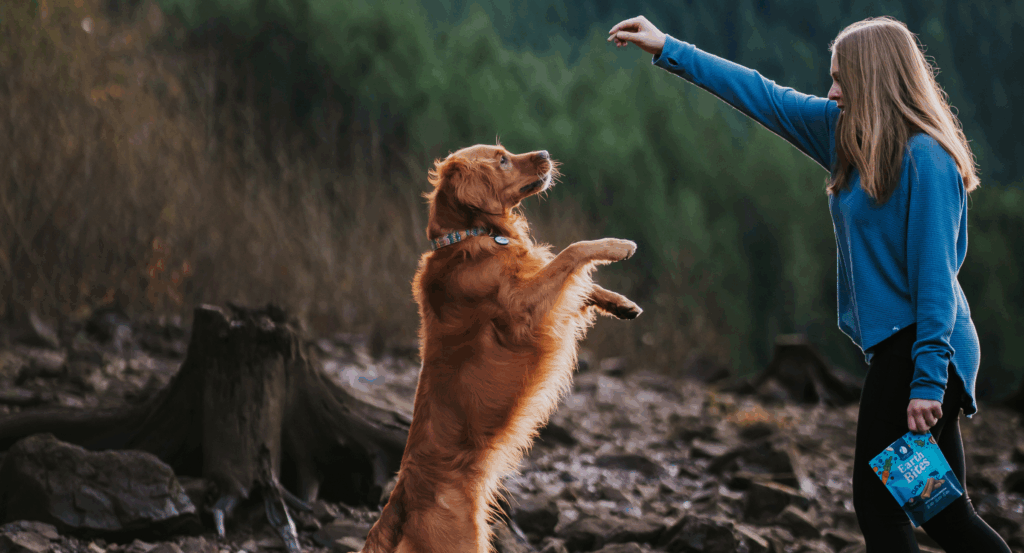
Positive reinforcement is one of the most effective ways to help a dog stop nibbling. When your dog responds to a cue, disengages from nibbling, or shows calm behavior instead, offering praise or a reward reinforces the habit you want to encourage. Basic commands like “sit” or “stay” can help redirect energy during moments when dogs nibble people.
To make positive reinforcement even more effective, having the right treats on hand to get your dog’s attention is key. The right rewards can keep your dog motivated and make training sessions more successful.
Our Earthborn Holistic Oven-Baked Dog Treats are a great fit for training because they’re crunchy, nutritious, and made without unnecessary fillers. Their texture and flavor make them motivating for dogs while still supporting a wholesome diet.
For training sessions that require quick, frequent rewards, our Soft Dog Treats work well since they’re moist, easy to chew, and simple to break into smaller pieces. This makes them especially helpful for puppies or adult dogs that need repeated reinforcement during learning.
If the nibbling habit continues or becomes excessive, working with a professional dog trainer can help you build a clear, consistent plan that matches your dog’s needs.
Health Issues That May Cause Dogs to Nibble on You
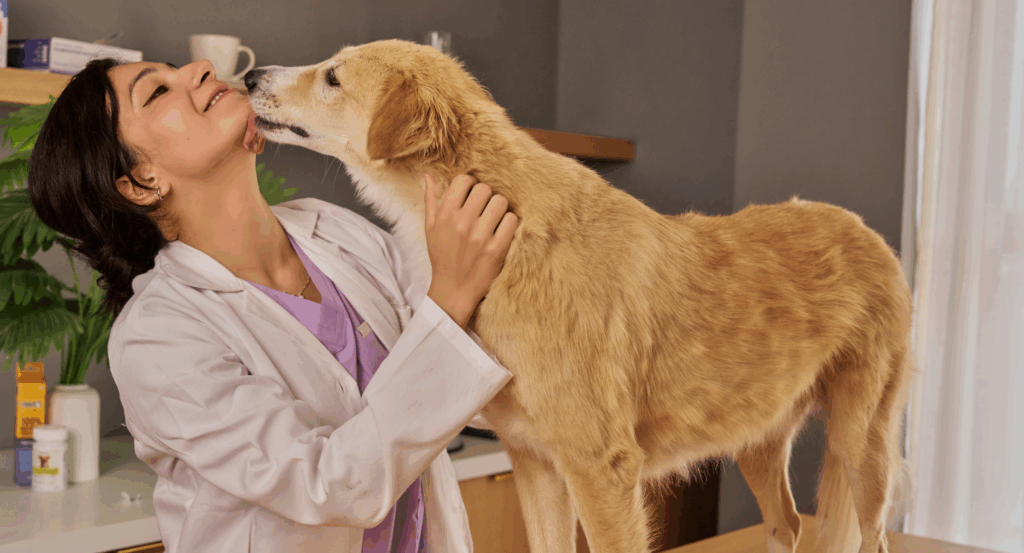
Sometimes nibbling behavior is caused by discomfort. Dogs experiencing dental problems, gum irritation, or pain may nibble at people or their own skin to try to relieve discomfort. If a dog is nibbling suddenly or more intensely, it may point to an underlying issue.
Dogs that nibble around their mouth, paws, or ears may also be reacting to itchiness, irritation, or other skin concerns. If your dog’s nibbling seems constant, it’s a good idea to chat with your vet. They can check for any dental issues or other medical reasons that might be causing the behavior.
Why Your Dog’s Nibbling on You Might Be a Problem
While most nibbling is harmless, certain signs may point to a problem. If your dog’s nibbling becomes excessive, is paired with aggressive behavior, or seems linked to discomfort, it could signal a deeper issue.
If you notice your dog applying more pressure than usual or if the nibbling escalates into biting, it’s time to pay closer attention. Stress-related nibbling that includes anxious body language, frequent self-soothing, or sudden changes in your dog’s behavior may also require professional guidance.
Key Takeaways
- Nibbling is usually natural behavior. Dogs nibble for affection, communication, or instinctive reasons, and gentle nibbling often reflects bonding rather than aggression.
- Body language provides key context. Relaxed posture and soft eyes suggest a sign of affection, while tense body posture or a tucked tail points to discomfort or anxiety.
- Training builds healthy habits. Redirecting with chew toys, rewarding calm behavior, and reinforcing basic commands can help a dog stop nibbling when it becomes unwanted.
- Medical issues may be involved. Dental problems, skin discomfort, or an underlying issue may cause a dog to nibble more frequently, so it’s a good idea to check with your vet if the behavior seems off.
When Dog Nibbling Becomes a Problem
Nibbling can be a normal part of your dog’s behavior, but understanding the reason behind it helps you respond in a way that supports your furry friend.
Paying attention to their body language, emotional needs, and daily habits will guide you toward whether the behavior is playful, affectionate, or a sign of discomfort.
If the nibbling becomes excessive or you feel unsure about the cause, consider reaching out to your vet or a professional dog trainer for support. With patience, clear boundaries, and a little guidance, your dog can learn healthier ways to communicate and explore their world.