Safely Trimming Your Dog’s Nails
Maintaining your furry friend’s paw health involves regular grooming practices, with trimming your dog’s nails that many pet parents find challenging. Properly maintained nails contribute significantly to your canine companion’s overall wellbeing and mobility. Learning to perform this essential grooming task at home not only saves money but also strengthens the bond between you and your four-legged family member.
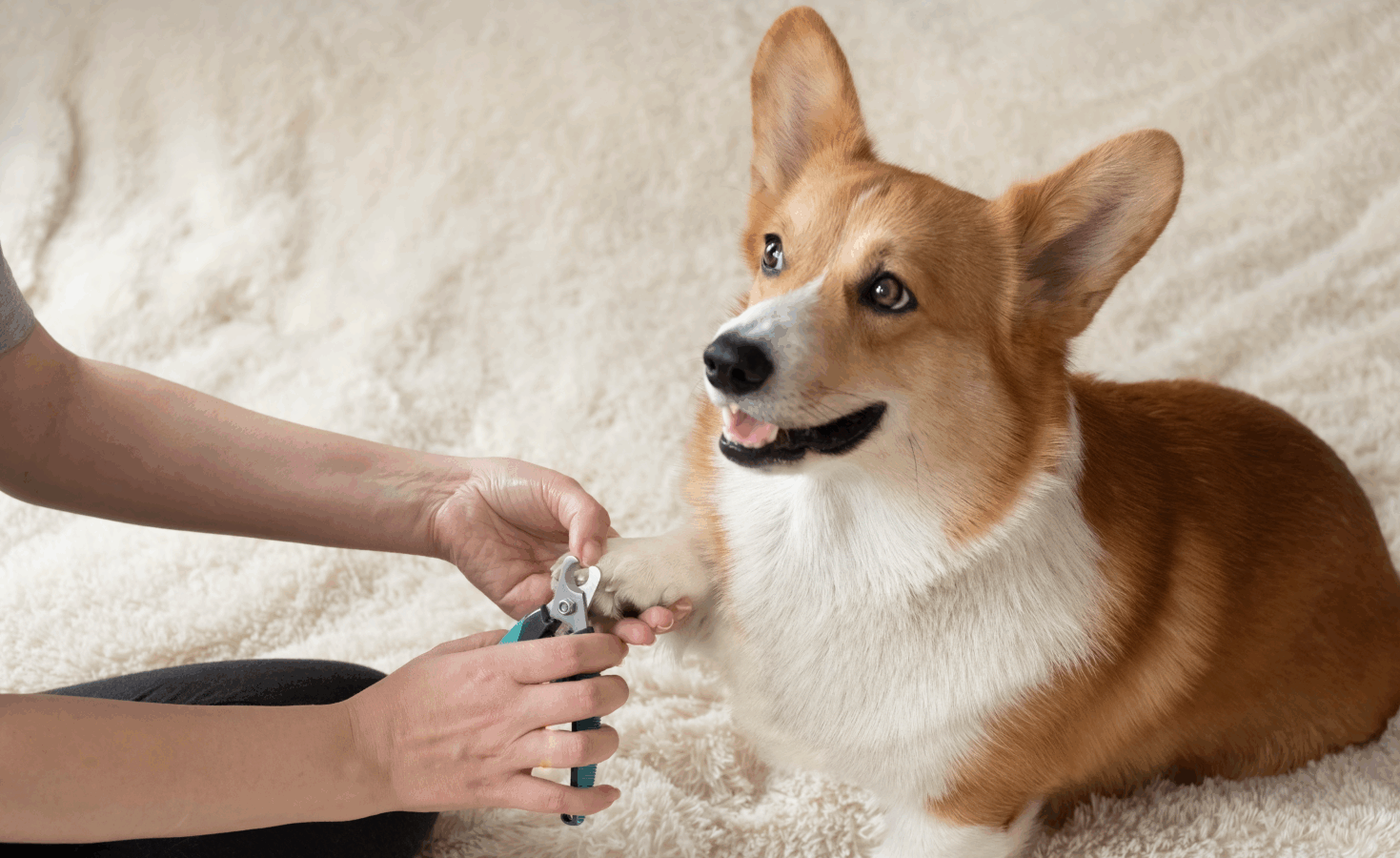
Remember that consistency is key when it comes to nail maintenance especially when struggling with how to trim dog’s nails at home. Regular, positive experiences will help your dog become more comfortable with the process over time.
Understanding Canine Nail Anatomy
Before attempting to trim your pet’s nails, it’s essential to understand the structure of canine nails. A dog’s nail consists of two main parts: the outer hard shell and the inner sensitive area called the quick. The quick contains blood vessels and nerves, making it painful and prone to bleeding if cut.
The quick grows along with the nail, so in dogs whose nails haven’t been trimmed regularly, the quick extends further toward the tip. Regular nail maintenance encourages the quick to recede, allowing for shorter, healthier nails over time. This is why consistent trimming schedules are so important for your pet’s paw health.
Dogs who frequently walk on hard surfaces like concrete or asphalt naturally file down their nails through friction. However, most domestic dogs don’t get enough abrasive surface contact to keep their nails at an optimal length.
Healthy nails should not touch the ground when your dog is standing on a flat surface. When you hear clicking sounds as your furry friend walks across hard flooring, it’s a clear indication that nail maintenance is needed.
Essential Tools for Nail Maintenance
Selecting appropriate equipment is crucial for successful nail maintenance. Guillotine-style clippers feature a hole where the nail is inserted before cutting, while scissor-style clippers work similarly to regular scissors but are specially designed for cutting through nails. Plier-style trimmers offer enhanced leverage, making them ideal for larger breeds with thicker nails.
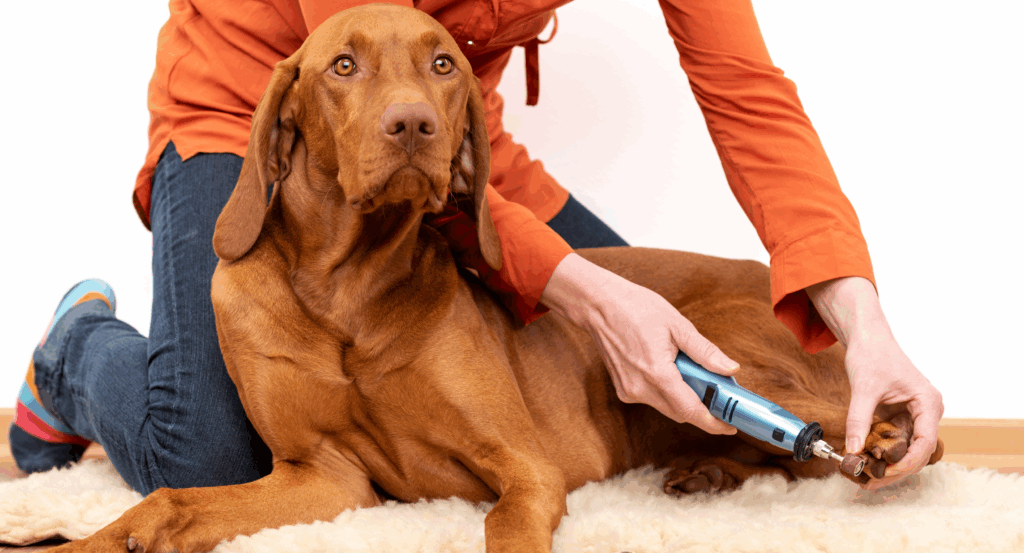
Electric nail grinders present an alternative to traditional clippers. These tools gradually file down the nail rather than cutting it, which some pet owners find less stressful as there’s less risk of cutting the quick in one accidental snip. However, some dogs may be sensitive to the vibration and noise produced by grinders, so introduction should be gradual.

Treats are a must-have item, as positive reinforcement plays a vital role in creating a pleasant experience. Good lighting is also crucial, especially when working with dogs who have dark nails where the quick isn’t visible.
Preparing Your Dog for Nail Trimming
Creating positive associations with nail maintenance begins long before the actual trimming session. Familiarizing your pet with having their paw pads handled is a foundational step that should ideally begin during puppyhood. Regularly touch, massage, and gently manipulate your dog’s feet during calm moments or cuddle sessions.
Introducing the trimming tools gradually also helps minimize stress. Allow your dog to sniff and investigate the clippers or grinder without any attempt to use them. Associate these tools with positive experiences by offering Earthborn Holistic treats and praise during these introductory sessions. For dogs who are particularly nervous, you might try applying a small amount of peanut butter or another favorite spread on a lick mat to create a pleasant distraction.
Step-by-Step Nail Trimming Technique
When you’re ready to begin the actual trimming process, position yourself and your dog comfortably. Some smaller dogs can be held in your lap, while larger dogs might be more comfortable standing or lying on the floor. If possible, have a helper assist by gently restraining your dog and offering treats throughout the procedure.
Hold your dog’s paw firmly but gently, pressing slightly on the pad to extend the nail. For light-colored nails, aim to cut approximately 2-3 millimeters away from the visible quick. For dark nails, make a series of small cuts, examining the nail end after each one. When you begin to see a small dark circle in the center of the cut surface, be sure to stop. This indicates you’re approaching the quick and is a sure sign on how short to trim dog nails.
Make clean, decisive cuts rather than hesitant ones. Hold the trimmer perpendicular to the nail for a straight cut, or at a slight angle following the natural curve of the nail. After each successful cut, offer immediate praise and perhaps a small treat to reinforce positive associations.
Using a Nail Grinder Effectively
Electric nail grinders offer an alternative approach that some pet owners prefer, especially for dogs with thick nails or those who react negatively to the pressure sensation of clippers. When using a grinder, introduce it gradually by first allowing your dog to become accustomed to the sight and sound of the device while it’s turned off, then while it’s running but not touching them.
When beginning to grind, hold your dog’s paw securely and apply the grinder to the nail with gentle pressure. Work in short sessions, grinding small amounts from each nail and taking breaks to prevent the nail from becoming too hot.
Handling Complications and Emergencies
Despite your best efforts, accidents can happen during trimming your dog’s nails. If you accidentally cut into the quick, causing bleeding, remain calm to avoid alarming your dog further. Apply styptic powder immediately to the bleeding nail by pressing a small amount directly onto the cut surface. The powder works by constricting blood vessels to stop the bleeding and also contains a mild anesthetic to reduce pain.
If styptic powder isn’t available, cornstarch or flour can serve as temporary alternatives, though they’re less effective at stopping blood flow. Press the powder firmly against the nail end for about 30 seconds, then check if bleeding has stopped. Avoid letting your dog lick the powder off until the bleeding has completely ceased.
Monitor the nail for signs of infection in the following days, such as swelling, continued pain, or discharge. While rare, infections can develop and may require veterinary attention.
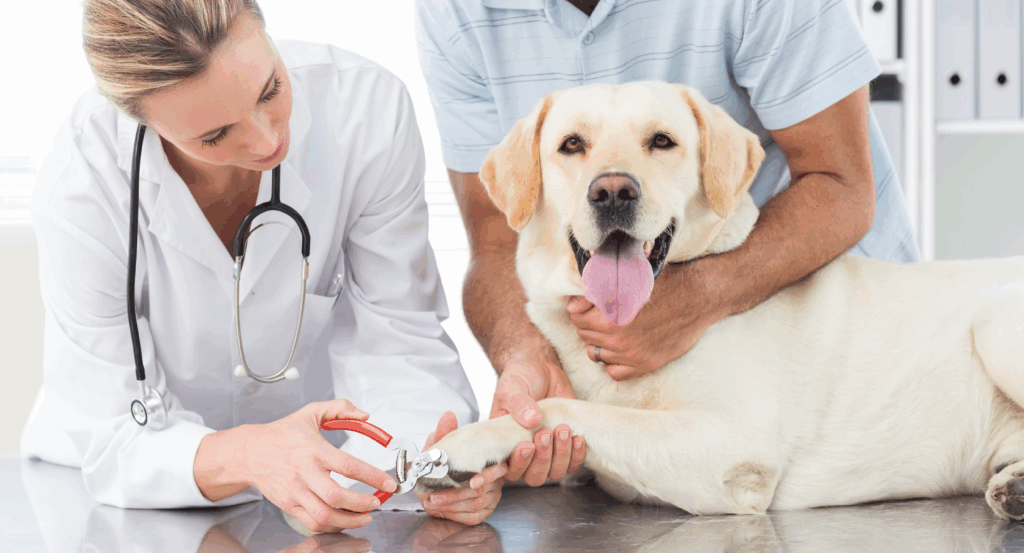
For dogs who become extremely distressed during nail maintenance attempts, consider consulting with a professional. Veterinarians and experienced groomers can demonstrate proper techniques and may offer sedation options for extremely anxious pets.
Establishing a Regular Maintenance Schedule
Consistency is key to successful nail care and the question of how often to trim dogs nails. Most dogs benefit from nail trimming approximately every 3-4 weeks, though this can vary based on individual growth rates and lifestyle factors. Dogs who frequently walk on abrasive surfaces may naturally file their nails and require less frequent trimming, while less active dogs or those who primarily walk on soft surfaces like grass may need more regular attention.
When to Seek Professional Help
While home nail maintenance for trimming your dog’s nails is achievable for many pet owners, certain situations warrant professional intervention especially for instance when you do not know how to trim severely overgrown dog nails or not fully knowing how far to trim dogs nails. Dogs with extremely thick or deformed nails, those with severe anxiety despite desensitization efforts, or pets with medical conditions affecting their nails may benefit from professional grooming services. Additionally, if you find yourself consistently uncomfortable with the process despite practice, seeking professional help ensures your dog’s nails receive proper care.
By understanding the importance of nail care, mastering proper techniques on how to properly trim dog nails, and approaching the process with patience and positivity, you can make nail trimming a stress-free part of your dog’s regular grooming routine. Your efforts contribute significantly to your pet’s comfort, mobility, and overall health, strengthening the bond you share through thoughtful care.