Understanding and Managing Dog Separation Anxiety
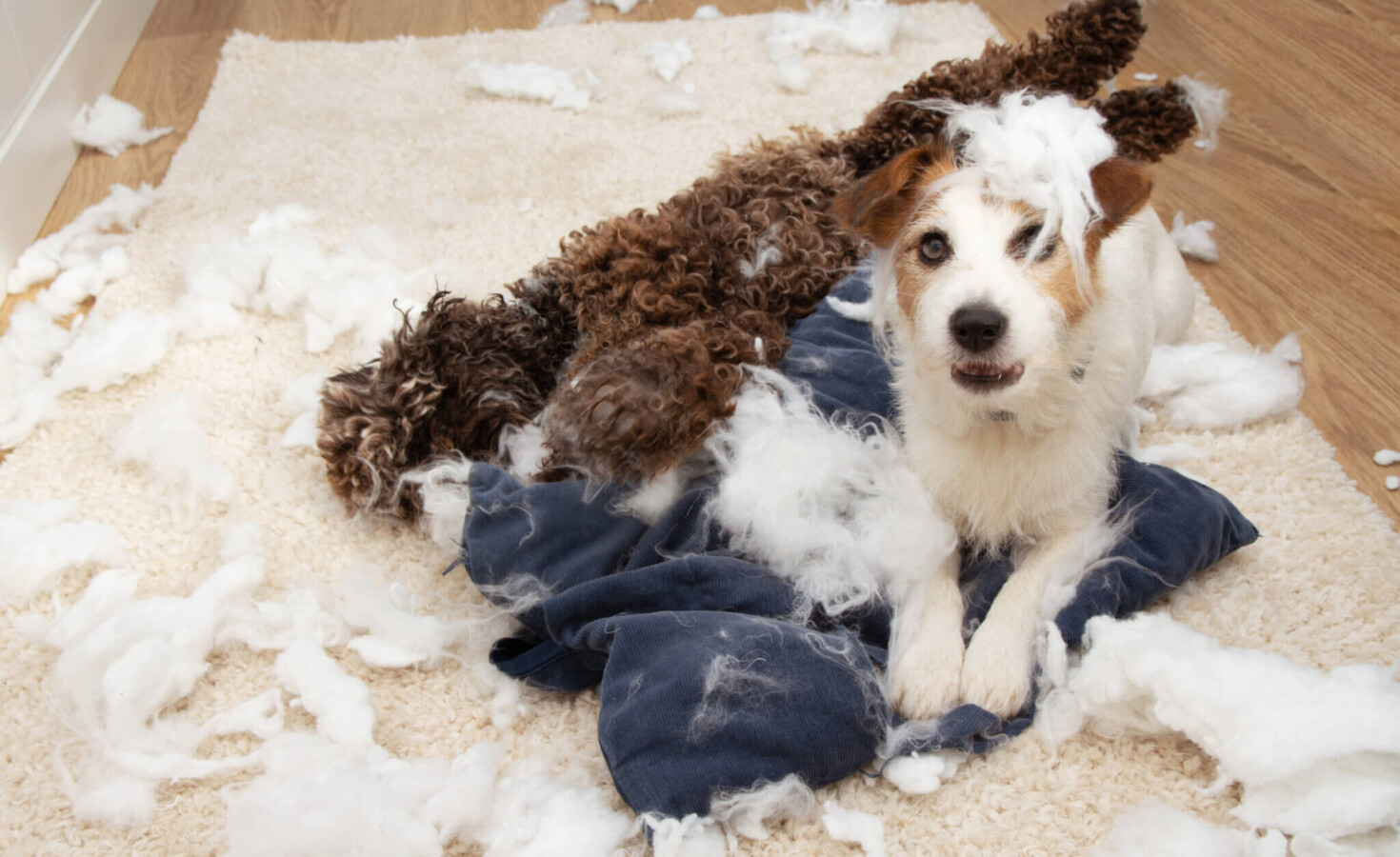
Separation anxiety in dogs is one of the most common behavior problems that pet parents face. When dogs feel distressed about being left alone, they may bark excessively, chew furniture, soil the house, and show other behavioral issues. For many dog owners, learning how to help a dog with separation anxiety becomes essential for maintaining their dog’s well-being and restoring peace at home.
In this guide, we’ll break down the causes of dog separation anxiety, how to recognize anxious dog symptoms, and explore the best treatments for dog separation anxiety from crate training and desensitization training to natural remedies and calming dog treats.
What Causes Dog Separation Anxiety?
Treating dog separation anxiety starts with understanding why your dog is feeling anxious in the first place. Several common factors contribute to this behavioral issue:
1. Change in Environment or Routine
Dogs with separation anxiety often react to sudden changes in their daily lives. Moving homes, a new job that alters your schedule, or even rearranging furniture can disrupt a dog’s routine and trigger anxiety.
2. Loss of a Family Member
Whether it’s a human or another pet, the absence of a family member can deeply impact your dog’s behavior. Dogs feel loss in their own way, and that absence can lead to increased clinginess and distress when you’re not around.
3. Previous Trauma or Rescue History
Helping rescue dogs with separation anxiety requires extra patience. Many adopted dogs have experienced abandonment, neglect, or long stays in shelters, which can increase their chances of developing separation anxiety when left alone.
4. Lack of Socialization
Dogs lacking proper socialization during puppyhood often struggle to develop confidence and independence. Without early exposure to brief periods of solitude, being alone can feel overwhelming.
5. Genetic Predisposition
Some breeds, like Border Collies, Labradors, and German Shepherds, naturally form close bonds with their humans. These breeds are more likely to develop signs of separation anxiety in dogs.
Recognizing Anxious Dog Symptoms
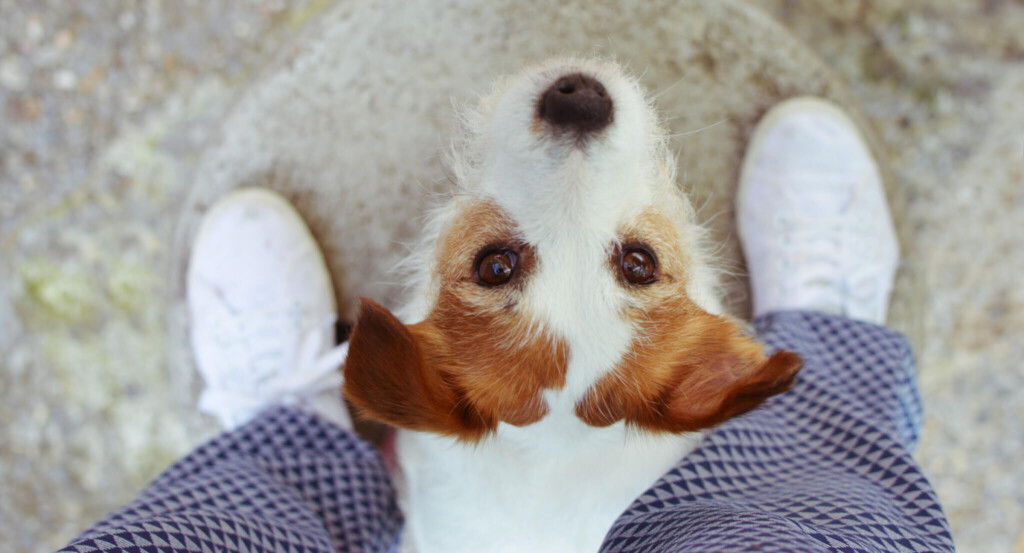
Identifying the signs of separation anxiety in dogs is the first step toward effective treatment. Look for these red flags when leaving your dog:
- Destructive behavior, such as chewing, digging, or clawing at doors and windows
- Excessive barking, howling, or whining immediately after you leave
- Pacing or repetitive movements
- House soiling in crate-trained or potty-trained dogs
- Physical symptoms like drooling, panting, or trembling
- Attempts to escape, often resulting in injury
These behaviors typically begin within minutes of leaving your dog and may escalate if left unaddressed.
How to Help with Separation Anxiety
Treating dog separation anxiety often involves a combination of behavior training, routine adjustments, and calming strategies. Here are effective options:
1. Desensitization Training
Gradual desensitization helps your dog become more comfortable with being alone.
Steps for success:
- Leave your dog alone for just a few seconds at first
- Slowly increase the time you’re away
- Use calm rewards like puzzle toys or dog treats
- Stay consistent and celebrate small wins
This method is especially helpful when crate training for separation anxiety, as it creates a structured, safe space for your dog.
2. Counterconditioning Techniques
Teach your dog to associate alone time with something positive.
Try this:
- Give a stuffed toy with peanut butter or a treat-dispensing puzzle toy
- Offer this only when leaving your dog
- Use it regularly so your dog begins to associate your departure with something positive.
3. Create a Comforting Routine for Anxious Dogs
Establishing structure helps calm your dog and ease anxiety.
- Walk, feed, and train your dog at regular times
- Keep departures and arrivals low-key to avoid emotional spikes
- Avoid loud noises and overstimulation before leaving
Dogs thrive on routine especially anxious dogs. A stable schedule helps reduce unpredictability and builds trust.
4. Crate Training for Separation Anxiety
If your dog is already crate trained or enjoys their crate, it can provide a secure retreat.
Make the crate a positive space:
- Add familiar toys and blankets
- Never use the crate as punishment
- Practice short absences with your dog in the crate
Crate training is particularly useful for dogs that feel safer in smaller, enclosed areas during times of stress.
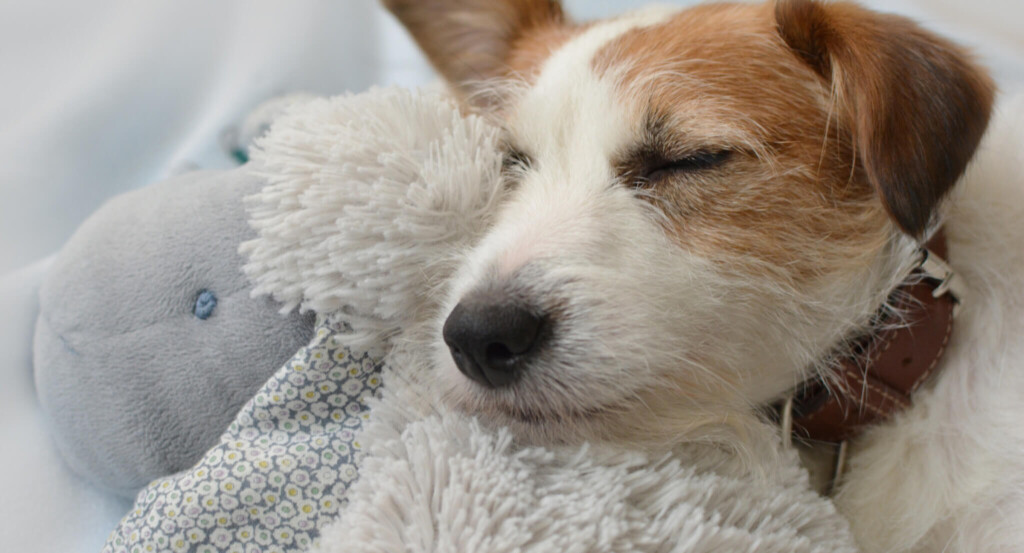
Natural Remedies for Dog Separation Anxiety
If you’re wondering how to calm a dog with separation anxiety naturally, several remedies can complement behavioral training.
Top Natural Solutions:
- Calming supplements with chamomile, L-theanine, or CBD (check with your vet first)
- Aromatherapy with lavender oil or pet-safe calming sprays
- Music therapy or white noise machines to mask loud noises and outside triggers
Products like the Thunder Shirt for dogs can also help by applying gentle pressure that calms the nervous system.
Best Tools and Toys for Treating Anxiety
Interactive and mental stimulation toys are a must-have for treating dog separation anxiety. These tools help distract your dog and promote independence.
Top picks:
- Puzzle toys filled with treats
- Frozen KONGs with peanut butter or soft treats like EarthBites Chewy treats
- Lick mats with calming spreads
- Chew toys to redirect destructive energy
These toys are perfect for crate training, helping your furry friend stay busy and self-soothe.
When to Get Professional or Vet Advice for Dog Separation Anxiety
If your dog’s anxiety is severe or not improving, consider professional guidance.
Options include:
- A veterinarian to rule out medical issues or prescribe anxiety medication
- A certified behaviorist to create a tailored separation anxiety training plan
- Dog training classes focused on positive reinforcement and behavioral solutions for anxious dogs
How to Leave a Dog Home Alone with Anxiety
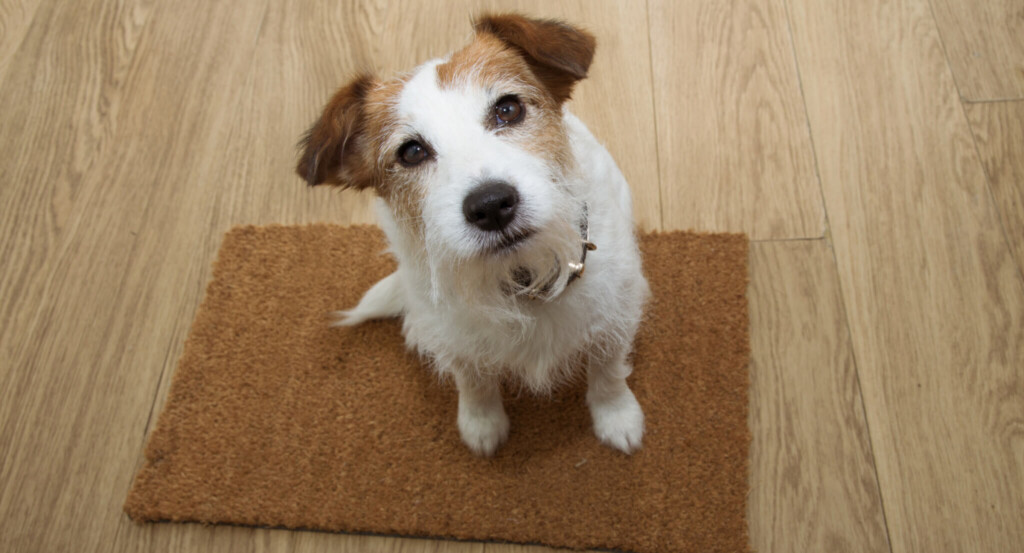
Leaving your dog home alone can be a calm and manageable experience for both of you. Here’s how to set them up for success:
- Exercise beforehand to burn nervous energy
- Use a pet camera to check in and monitor progress
- Leave on soothing music to reduce stimulation
- Provide toys, puzzles, and treats to make alone time positive
- Consider dog daycare or a trusted pet sitter for longer absences
Leaving your dog doesn’t have to mean emotional distress. With structure and patience, you can teach your dog to be calm and confident even when you’re not there.
Final Thoughts on Helping Dogs with Separation Anxiety
Whether you’re dealing with mild nervousness or severe separation anxiety in dogs, you’re not alone. Thousands of dog owners face the same challenge. With the right tools, knowledge, and patience, you can address your dog’s anxiety and restore balance to your home.
It is important to recognize that each dog has individual needs and behaviors. It may take time to find the best treatments for dog separation anxiety that work for your unique situation. But with consistent effort, a calming routine, and a little help from behavior experts or your vet, your furry friend can learn to thrive whether you’re in the next room or miles away.