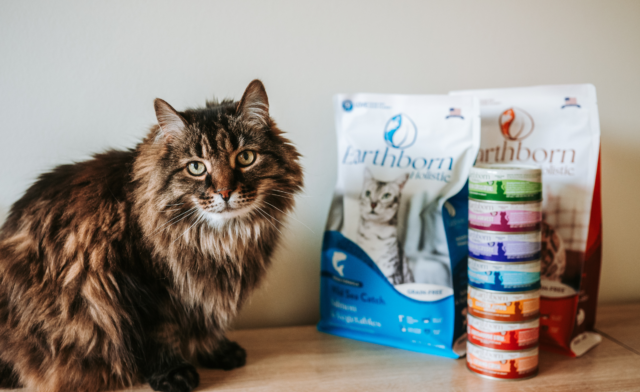
Is Tuna Good for Cats? The Pros and Cons Explained
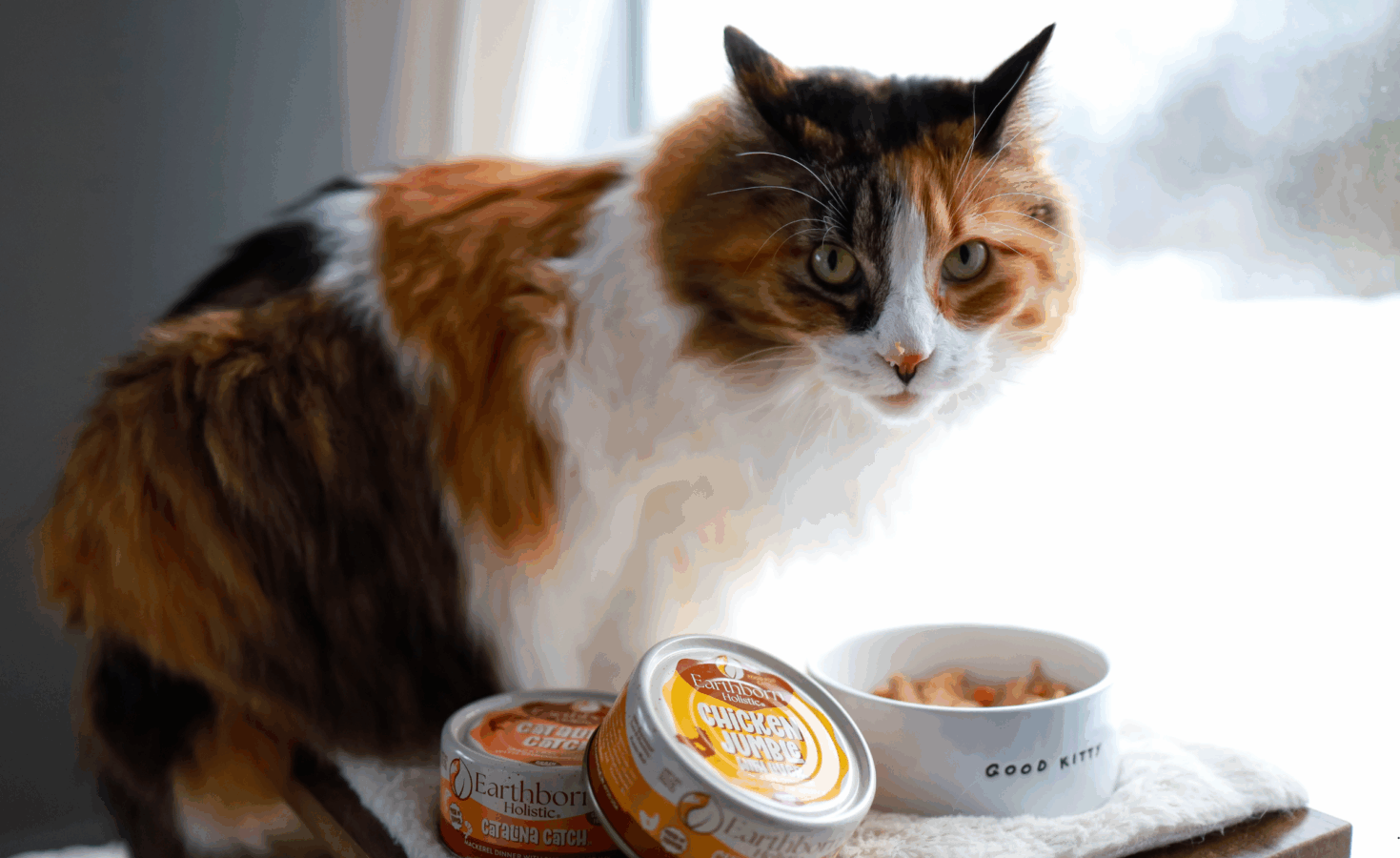
If you’ve ever opened a can of tuna, you know how quickly cats come running. But is tuna safe for cats to eat regularly, or should it only be an occasional treat? The smell alone can send even the pickiest eaters into a frenzy. But while most cats love tuna, pet parents often wonder if this popular fish is truly good for a cat’s health.
In this article, we’ll explore why cats are drawn to tuna, the nutritional benefits it provides, and the potential risks of feeding too much tuna. We’ll also look at different types of tuna, safe feeding tips, and warning signs of overconsumption to help you make the best choices for your feline friend.
What Makes Tuna Appealing to Cats
Cats eat tuna for the same reasons humans do – it smells and tastes irresistible. The strong aroma can stimulate a cat’s appetite, especially for picky eaters that turn away from other cat food. For many cats, tuna is a high-value treat that feels more exciting than regular wet food or dry food.
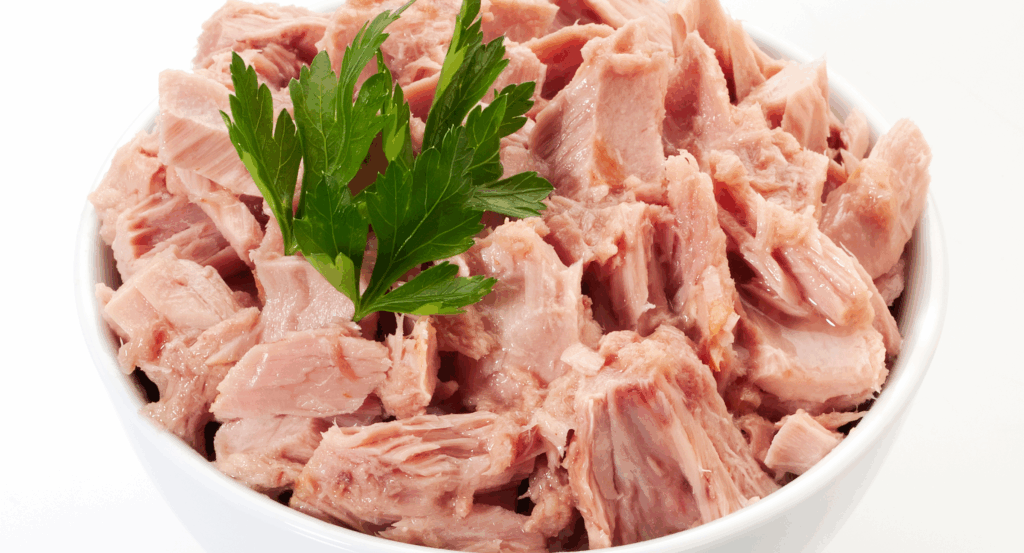
Beyond the smell and flavor, cats love the texture of tuna fish. Fresh tuna, canned tuna, or even tuna cat food often has a soft, flaky consistency that makes it easy to eat. This makes tuna especially appealing to older cats or those with dental issues.
Nutritional Benefits of Tuna for Cats
Tuna can be nutrient rich and provide several benefits when given in moderation as part of a cat’s diet. Let’s take a look at some of the key nutritional components of this popular fish.
Protein and Energy
Cats are obligate carnivores, meaning protein is essential for their survival. Tuna is a great source of high-quality protein that helps support strong muscles, energy, and overall health. A little tuna can be useful for active cats that need extra energy or for helping underweight cats regain strength.
However, tuna should not replace a complete and balanced diet. While it delivers protein, cats also need other nutrients like taurine, vitamins, and minerals that standard tuna alone cannot provide.
Fatty Acids and Coat Health
Tuna contains fatty acids, especially omega-3s, which help with coat health and skin condition. Cats that eat tuna occasionally may benefit from shinier fur, reduced shedding, and improved skin hydration. These fatty acids also support joint health and reduce inflammation.
Still, fatty acids from tuna should supplement rather than dominate your cat’s diet. Commercial tuna cat food or complete cat food formulas usually provide a healthier balance of nutrients for coat health than feeding raw fish or human-grade tuna alone.
Vitamins and Minerals
Tuna fish contains B vitamins, vitamin E, and essential minerals like potassium and magnesium. These contribute to energy metabolism, nervous system function, and muscle health. Small amounts of tuna can add variety to your cat’s diet and help picky eaters get excited about mealtime.
But tuna lacks some essential nutrients cats need, such as thiamine, which can lead to thiamine deficiency if tuna is the main food source. That’s why it works best as an occasional treat rather than a daily staple.
Is Tuna Safe for Cats? Potential Risks of Feeding Tuna
While tuna may seem like a tasty superfood, too much tuna can cause more harm than good. In this section, we’ll explore some of the key risks of overfeeding this fish.
Mercury Poisoning from Tuna in Cats
Mercury is naturally present in many fish, including tuna. Larger species like albacore tuna contain higher mercury levels than smaller fish like blackfin tuna or skipjack tuna. When cats eat tuna as an occasional treat or enjoy tuna-based cat food made specifically for pets, the risk of mercury poisoning is very low. Problems typically arise only if cats eat large amounts of human-grade tuna regularly.
Nutritional Imbalance: Can Cats Eat Too Much Tuna?
Tuna alone can’t provide a complete and balanced diet. If cats eat tuna regularly without other foods, they may miss out on vital nutrients like taurine and vitamin E. This imbalance can harm your cat’s health, leading to weakness, vision issues, or heart problems.
Additives in Canned Tuna
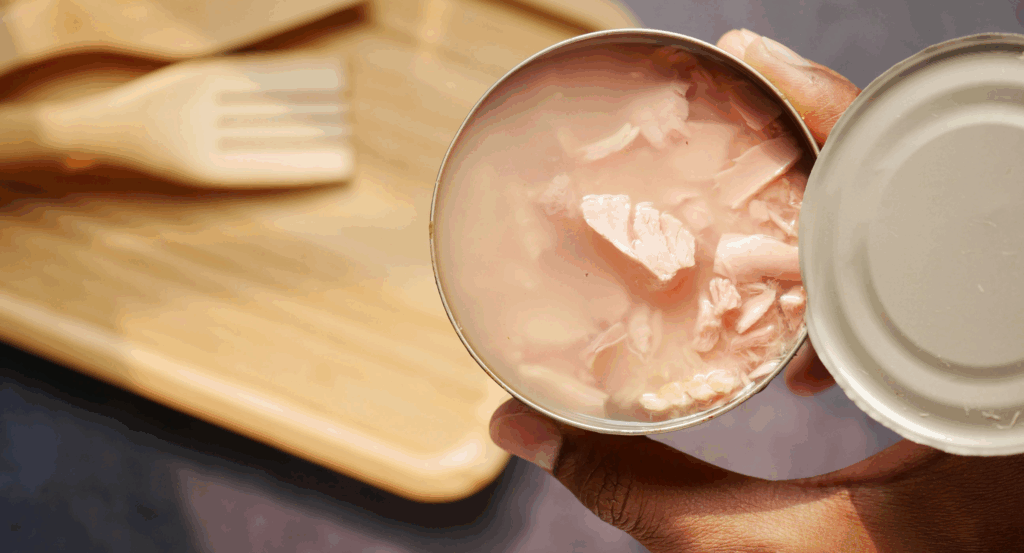
Cats eat canned tuna eagerly, but not all varieties are made with pets in mind. Many canned tuna products for humans contain added salt or oil, which aren’t ideal for a cat’s long-term health. If you want to share tuna, stick with tuna packed in water without added salt, or better yet, choose tuna cat food that’s been formulated to provide the right nutrients for our feline friends.
Health Issues From Too Much Tuna
Feeding tuna in large amounts can cause digestive upset, including diarrhea or an upset stomach. Over a long period, too much tuna can also contribute to imbalances that affect overall health. These issues are far less likely when tuna is kept as an occasional treat or included in specially made tuna cat food designed for a complete and balanced diet.
Types of Tuna: What’s Safe and What’s Not
It’s important to remember that not all tuna is equal when it comes to your kitty’s safety. Fresh tuna or raw tuna should be avoided because raw fish can contain parasites and destroy vitamin B in your cat’s body. Feeding your cat canned tuna is safer, but only in small amounts.
As mentioned earlier, albacore tuna has higher mercury levels, so choosing chunk light tuna is safer because it comes from smaller fish with naturally lower mercury. However, tuna cat food designed specifically for cats is still the best choice as it’s formulated to meet a cat’s nutritional needs.
How to Safely Feed Tuna to Your Cat
Feeding tuna doesn’t have to be off-limits if done properly. Start by giving your cat a small amount of tuna as an occasional treat, not as a meal replacement. Mixing a little tuna into your cat’s wet food can make it more appealing without disrupting a balanced diet.
When choosing tuna, avoid products with added salt or oil. Cooked tuna in water or tuna cat food made for pets is the safest way to go.
Our Earthborn Holistic tuna recipes, Harbor Harvest and Monterey Medley, are designed with your cat’s health in mind. Both are grain-free options packed with high-quality proteins, omega fatty acids for coat health, and essential vitamins and minerals. We use wild-caught, dolphin-safe fish to deliver a safe, nutritious meal that supports a complete and balanced diet for your cat.

Signs Your Cat May Be Eating Too Much Tuna
If your cat is getting more than just a little tuna as a treat, you may start to notice some warning signs. These include digestive issues, changes in appetite, or lethargy. Cats with an upset stomach, vomiting, or loose stools may be reacting to excessive tuna in their diet.
Long-term signs include poor coat health, weight loss, or neurological changes caused by mercury poisoning or nutritional imbalances. If you notice any of these symptoms, make sure to contact your vet and adjust your cat’s diet as needed.
Key Takeaways
- Tuna can be a healthy option. Most cats love tuna, and when offered in moderation, it can provide valuable protein and fatty acids.
- Moderation is important. Tuna should be served as part of a complete and balanced diet rather than as the main meal every day.
- Choose the right kind. High-quality tuna cat food that’s specially formulated for cats is a safer choice than human canned tuna, which often contains added salt or oil.
- Watch your cat’s response. Keep an eye on your cat’s coat health, digestion, and overall energy levels to make sure tuna remains a positive part of their diet.
Is Tuna Good for Cats in the Long Run?
Tuna can be both good and bad for cats depending on how it’s served. Small amounts of tuna provide protein and fatty acids that support coat health and energy. But too much tuna or the wrong type can cause mercury poisoning, nutritional imbalances, or kidney disease.
If you want to give your cat tuna, stick to safe options like tuna cat food or plain canned tuna in water. Use tuna as a treat rather than a main meal, and always aim for a complete and balanced diet to keep your feline friend healthy and happy.