Why Is My Dog Constantly Itching?
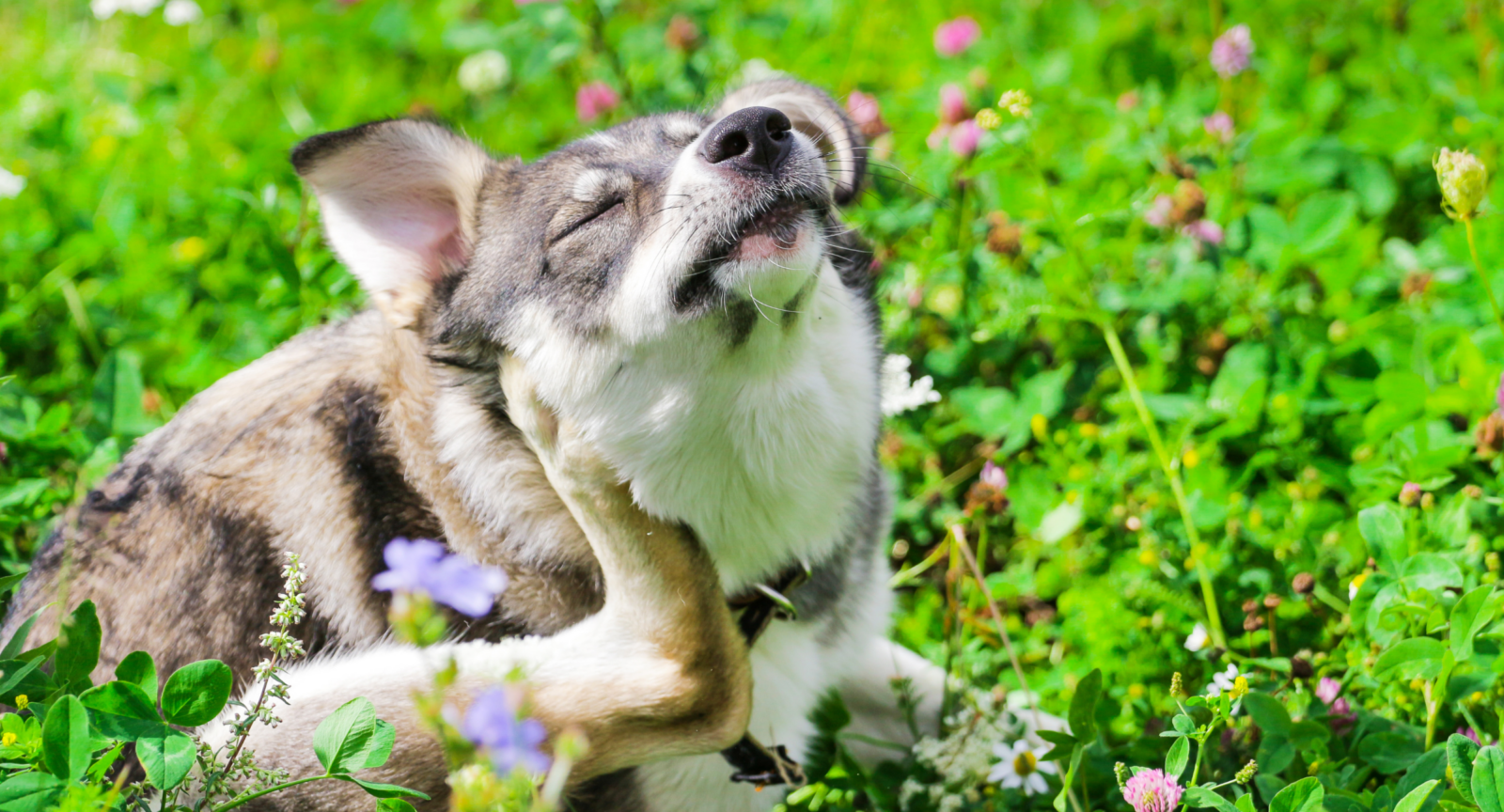
Watching your furry family member scratch, lick, and chew without any relief is hard. Pet parents often find themselves wondering whether something in their dog’s bowl is causing all that discomfort. But why is my dog itching?
A fair question — but the answer isn’t always straightforward. Is your dog’s itching diet-related or something else entirely? Environmental triggers, parasites, and skin conditions all produce similar symptoms, making it genuinely difficult to tell.
Did you know… only 0.2% of dogs are actually affected by food allergies. Yet certain ingredients like beef, dairy, and chicken can still trigger those reactions in sensitive dogs. That gap between true food allergies and food sensitivity matters when it comes to finding the right solution.
This article will walk you through the most common causes of itching in dogs, how to recognize when food might be the culprit, which ingredients are most likely to cause trouble, and what steps you can take — alongside your vet — to get your dog feeling comfortable again.
Common Causes Your Dog Is Itching
Persistent itching rarely has just one explanation. Before assuming food is the problem, understand what else could be going on — because several conditions look similar on the surface.
Food Sensitivity and Food Allergies in Dogs
A true food allergy happens when your dog’s immune system overreacts to a specific protein or ingredient. Unlike food sensitivities — which tend to appear as digestive upset — food allergies most often trigger skin reactions or ear infections. What surprises many dog owners is that a dog can develop an allergy to something they’ve eaten for years without any issues. Allergy testing is recommended.
Proteins are the most common culprits. Beef, chicken, lamb, eggs, soy, dairy, and certain grains all make the list. One distinguishing factor: food allergy symptoms tend to be persistent and year-round, not seasonal.
Environmental Allergies and Seasonal Triggers
Atopic dermatitis — or environmental allergies — is triggered by substances your dog encounters at home, in the backyard, or anywhere else they spend time. Pollens, dust mites, mold spores, and plant or animal fibers are among the most common offenders.
The seasonal pattern is a helpful clue here. Tree pollen tends to cause trouble in spring, grass pollen in summer, and weed pollen in fall. If your dog’s scratching follows the calendar, environmental allergens are more likely to blame than their food bowl.
Fleas and Parasites
Flea allergy dermatitis is the most common skin disease in dogs. It doesn’t take a full infestation — just one or two flea bites are enough to set off a reaction, because it’s the proteins in flea saliva that trigger the allergy. Even dogs on regular parasite prevention can be affected by insect stings, ticks, or mites. Mites, in particular, can lead to sarcoptic mange, which causes intense discomfort.
Quick check: Press a damp paper towel into your dog’s fur. If it turns red, flea dirt is present and fleas are likely the problem.
Dry Skin and Skin Infections
Weather changes, low humidity, and frequent bathing can all strip natural oils from your dog’s coat, leaving the skin dry and irritated. Flakiness, rough patches, dull fur, and mild itching are common signs. The concern is what comes next — when scratching breaks the skin, bacteria and yeast can move in quickly. Hot spots are a clear example of this: bacterial infections that can spread fast, especially in warm, humid conditions.
Bacterial and Yeast Infections
Yeast dermatitis develops when the fungus Malassezia pachydermatis — naturally present on the skin — overgrows and causes inflammation. Signs include itching, redness, a musty odor, scaly or crusty skin, thickening of the skin, and recurring ear infections. Bacterial infections often occur alongside yeast infections, and without proper medical care, both tend to worsen over time. Red or irritated skin, strong odor, oozing patches, and darkened areas are all signs to watch for.
Signs Your Dog Itching Might Be Food-Related
Narrowing down whether your dog itching is diet-related takes careful observation and wanting to find the best food for itchy skin. Symptoms alone don’t tell the whole story — but the symptoms often show a small amount of patterns you can tell.
Skin Irritation and Chronic Scratching
Timing is one of the most telling clues. Food-related itching doesn’t come and go with the seasons — it persists year-round. The feet, face, ears, and groin area tend to be the most affected, and many dogs also develop itchy bottoms. If your dog is scratching just as much in January as in July, food sensitivity becomes a stronger possibility than environmental allergens.
Ear Infections That Keep Coming Back
Recurrent ear infections are worth paying close attention to. Allergic inflammation tends to develop first, and secondary yeast and bacterial infections follow. Any dog dealing with repeated ear and skin infections deserves a closer look at their diet. Vets grow more suspicious of food allergies when gastrointestinal symptoms accompany dermatologic symptoms alongside non-seasonal itching — and for good reason.
Digestive Issues Along with Itching
Skin problems and digestive troubles often show up together in food-allergic dogs. Up to 20% of food allergic dogs experience vomiting and diarrhea alongside skin problems. Watch for repeated vomiting, diarrhea, excessive gas, more frequent bowel movements, and unexplained weight loss. When these digestive signs appear alongside skin irritation, food sensitivity moves higher on the list of likely causes.
Paw Licking and Red Skin
Excessive paw licking is one of the most common signs pet owners notice with food allergies. Vets often check the underside of paws for brown staining caused by chronic licking. Food sensitivities frequently show up in the feet first, though dogs may lick multiple areas well beyond just their paws. The more they lick, the more saliva stays on the skin — and that creates the right conditions for yeast to grow.
When Symptoms Started and Pattern Recognition
Food allergies don’t always show up early in life. Around a third of dogs with food allergies develop symptoms before one year of age, with most diagnosed by five years. That said, food allergies can develop at any point — even to ingredients your dog has eaten without any issue for a long time. Symptoms can appear minutes or even days after eating the triggering food, which makes pinpointing the cause even more difficult without a structured approach.
Common Food Ingredients That Cause Itching in Dogs
What foods make dogs itch? Can grain free dog foods cause itching. “In reality, allergies don’t develop from something new. They happen after repeated exposure to a particular allergen over time.” — Dr. Jo Myers, Veterinarian on the Vetster platform
Once you suspect food is the problem, the next question is: which ingredient? Knowing the most common culprits makes it easier to have an informed conversation with your vet and choose the right next step for your dog.
Chicken and Poultry Proteins
Can chicken in dog food cause itching? Chicken ranks as the third most common food allergen in dogs, affecting around 15% of food-allergic dogs. Dogs allergic to chicken may also react to turkey or eggs, though that varies from dog to dog based on how their immune system responds.
One thing worth knowing — many commercial dog foods contain chicken meat, organs, or broth even when it’s not listed as a primary ingredient. Reading labels carefully matters more than most pet parents realize.
Beef and Dairy Products
Beef sits at the top of the allergen list, responsible for 34% of canine food allergies. Dairy follows at 17%. When vets conduct food challenges after a successful elimination diet, beef and dairy are typically the first ingredients reintroduced — precisely because they’re the most recognized triggers.
Wheat and Grain Sensitivities
Wheat causes reactions in about 13% of food-allergic dogs. That said, grains are often unfairly blamed. The reality is that animal-based proteins are far more likely to trigger food allergies than grains. However, many pets do suffer from grain sensitivities and switching to a grain-free diet may be beneficial. Earthborn Holistic has many grain-free diets for all life stages.
What to Feed Instead: Alternative Protein Sources
When a dog needs a new protein source, there are good options to explore. Earthborn Holistic has 3 Limited Ingredient Diets. Alaska Pollock Meal and Pumpkin, Rabbit Meal and Pumpkin and Turkey Meal and Pumpkin all are great diets for your dog if it experiences sensitivities to certain ingredients.
- Turkey and Rabbit are effective alternatives for many sensitive dogs
- Alaska Pollock is especially helpful — it provides omega-3 and omega-6 fatty acids that support skin health and reduce inflammation
The key is choosing a protein your dog hasn’t been regularly exposed to. That novelty is what makes these alternatives effective.

Earthborn Holistic Limited Ingredient Dog Food Options
Earthborn Holistic Limited ingredient diets are built around simplicity. These LID’s are Grain-Free and have great novel proteins to keep your dog happy and healthy! These recipe contain 1-2 novel proteins and a simple easy to understand ingredient list to help you eliminate anything that may be causing them issues.
If you’re considering a limited ingredient diet, look for brands like Earthborn Holistic that prioritize ingredient transparency and sourcing quality. That attention to detail makes a real difference for dogs with sensitivities.
How to Know If Switching Food Will Help Your Dog Itching
Once you’ve noticed the signs pointing toward food sensitivity, the next step is figuring out whether a diet change will actually make a difference. There is no guesswork shortcut here — but there is a clear, proven path forward.
The 8-12 Week Food Trial Explained
The elimination diet trial is the only reliable diagnostic test for food allergies in dogs. Your dog eats a hypoallergenic diet — made up of ingredients they’ve never had before — for 8 to 12 weeks. During this time, no other foods, treats, supplements, or flavored medications can be offered, and that includes flavored parasite preventives. Even a small deviation can invalidate the entire trial.
It is a commitment, but it’s the only way to get a definitive answer.
What to Expect in the First Few Weeks
The immune system needs time to adjust. Most pet parents won’t see noticeable improvement until around the four-week mark. To help your dog settle into the new diet without stomach upset, transition gradually over three to seven days by mixing portions of old and new food together.
Start fresh. Clean all food bowls thoroughly with soap and water (ideally, in the dishwasher if safe) before beginning the trial. Small details like this matter when the goal is to reduce every possible variable.
When You Should See Improvement
Dogs dealing with gastrointestinal symptoms often show improvement within 1 to 4 weeks. Skin issues, however, tend to take longer — typically 4 to 8 weeks. Full resolution of skin symptoms may not appear until the 12-week mark, though about 95% of dogs respond by week eight.
Patience is key. Progress can be gradual, and small improvements along the way are a good sign.
Working with Your Vet for Diagnosis
Diagnosing food allergies is simple. Once symptoms resolve on the elimination diet, your vet may suggest reintroducing the original food. If symptoms return within a week, food allergy is confirmed. This rechallenge step — sometimes called a food provocation trial — is what gives the diagnosis real certainty.
Every dog is different, and working closely with your vet throughout this process ensures you get accurate results and a clear plan moving forward.
When to Call the Vet About Your Dog Itching
Reach out to your vet if your dog refuses the new diet entirely, vomits, has diarrhea, loses weight, or goes three days without a bowel movement. These are signs that something needs to be adjusted before continuing. A recheck appointment around 8 weeks after the full transition helps your vet assess progress and next steps.
You don’t have to figure this out alone — your vet is your most important partner in getting your dog comfortable again.
Food sensitivity in dogs and environmental allergies can look nearly identical, which is what makes figuring out the root cause so challenging. Year-round itching, recurring ear infections, secondary infections and digestive issues together paint a clearer picture — but a proper elimination diet trial is still the most reliable way to know for certain.
The good news? Food-related discomfort is something you can actually do something about. With your vet’s guidance and a little patience through the trial process, you can get real answers and make meaningful changes to your dog’s diet.
Every dog is different, and what triggers one dog’s itching may not affect another at all. That’s why working closely with your vet — rather than guessing — is always the best path forward. Your furry family member deserves to feel comfortable, and the right food choices can make all the difference.
If your dog’s itching is not caused from food sensitivities but your still considering looking for a better diet for them. Earthborn Holistic has many fantastic dog food, Weight Control, Primitive Natural and Unrefined Recipes. Earthborn Holistic also has wet dog foods such as Beef, Turkey, Chicken, Lamb and Duck which are also great alternatives for your dog to enjoy!