What Do Dogs Dream About? Inside Doggy Dreams
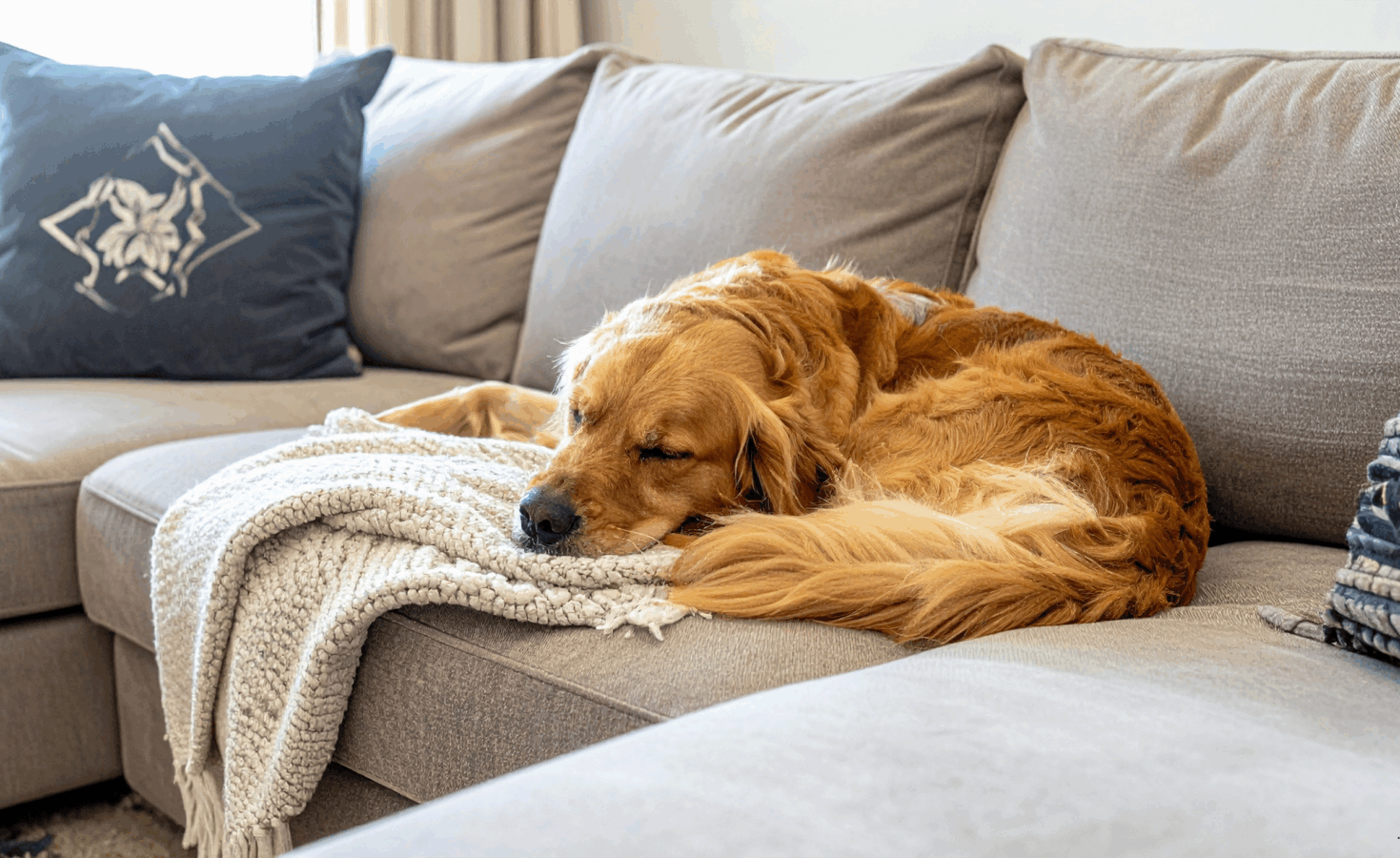
Have you ever watched your dog twitching, whimpering, or even barking in their sleep? It’s a common sight for dog owners, leading many to wonder: what do dogs dream about? While we can’t ask our furry friends to share their dreams, scientific research suggests that dogs do indeed experience dreams, much like humans. This article delves into the intriguing world of canine dreams, exploring the science behind them, what dogs might dream about, and how to interpret their nighttime behaviors.
Understanding Dog Sleep Cycles and What Dogs Dream About
The Stages of Sleep and How Dogs Dream
Dogs, like humans, go through various stages of sleep. Understanding these stages is crucial to grasping how and when dogs dream. The primary stages include:
- Wakefulness: This is the lightest stage of sleep. Dogs may appear to be resting but can easily be awakened.
- Non-Rapid Eye Movement (NREM) Sleep: In this stage, dogs experience light sleep. Their breathing becomes regular, and they may shift positions.
- Rapid Eye Movement (REM) Sleep: This is the stage where dreaming occurs. Dogs’ brains are highly active, and they may exhibit physical signs of dreaming, such as twitching or vocalizing.
Duration of Sleep
On average, dogs sleep for about 12 to 14 hours a day, depending on their age, size, and activity level. Puppies and older dogs tend to sleep more than young adult dogs. The REM stage, where dreaming occurs, typically lasts for about 20 minutes within a sleep cycle, which can repeat several times throughout the night.
What Do Dogs Dream About?
Scientific Evidence for What Dogs Dream About
Research indicates that dogs do dream. Studies have shown that the brain activity of dogs during REM sleep is similar to that of humans. For instance, a notable study conducted at MIT involved rats running through mazes. When the rats were later observed during REM sleep, their brain activity mirrored that of when they were navigating the maze, suggesting they were dreaming about it. Given that dogs have more complex brains than rats, it’s reasonable to conclude that they also experience dreams.
Observational Insights Into Dogs Dreams
Veterinarians and animal behaviorists have observed that dogs often exhibit behaviors during sleep that suggest dreaming. These behaviors include:
- Twitching: Dogs may twitch their legs as if they are running or playing.
- Vocalizations: Whining, barking, or growling can occur, indicating that they are engaged in a dream.
- Eye Movements: Rapid eye movements beneath closed eyelids suggest visual dreaming.
What Do Dogs Dream About?
Everyday Experiences That Dogs Dream About
While we can’t know for sure what dogs dream about, it’s likely that their dreams reflect their daily experiences. Dogs may dream about:
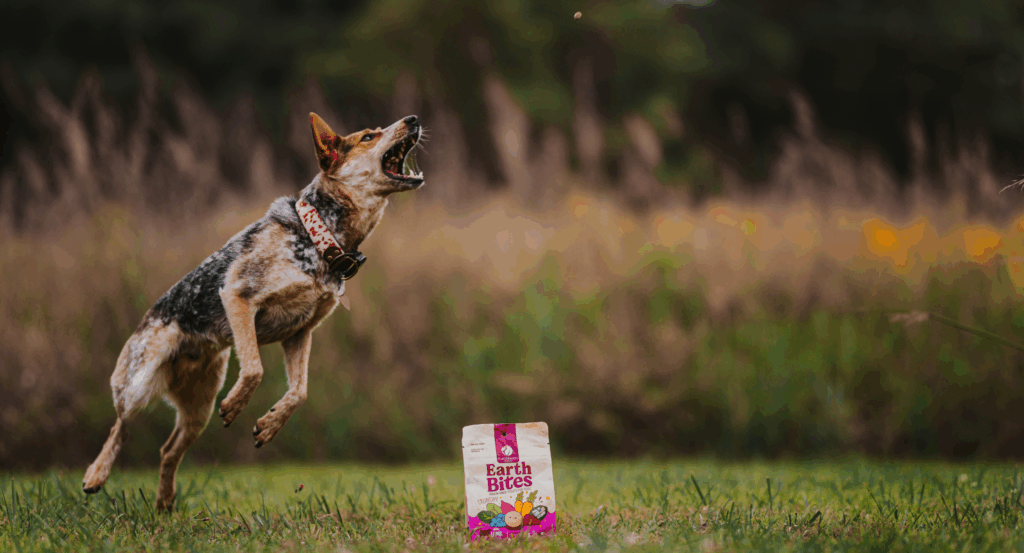
- Chasing: Many dogs enjoy chasing squirrels or other animals, and this could manifest in their dreams.
- Playing: Dogs often dream about playing fetch or engaging in other fun activities with their owners.
- Exploring: A favorite walking route or a new park could be a common theme in their dreams.
Breed-Specific Dog Dreams and What They Mean
Interestingly, certain breeds may have dreams that align with their instincts or training. For example:
- Hunting Breeds: Dogs like retrievers or pointers may dream about hunting scenarios.
- Herding Breeds: Breeds such as border collies might dream about herding sheep or other animals.
Can Dogs Have Bad Dreams?
The Possibility of Nightmares
Just as humans can experience nightmares, dogs can also have bad dreams. If a dog has had a stressful or frightening experience during the day, it’s possible that this could influence their dreams. Signs that a dog might be having a bad dream include:
- Whimpering or Crying: Vocalizations that sound distressed can indicate a nightmare.
- Restlessness: If a dog is thrashing or moving erratically, they may be experiencing a negative dream.
Should You Wake a Dreaming Dog?
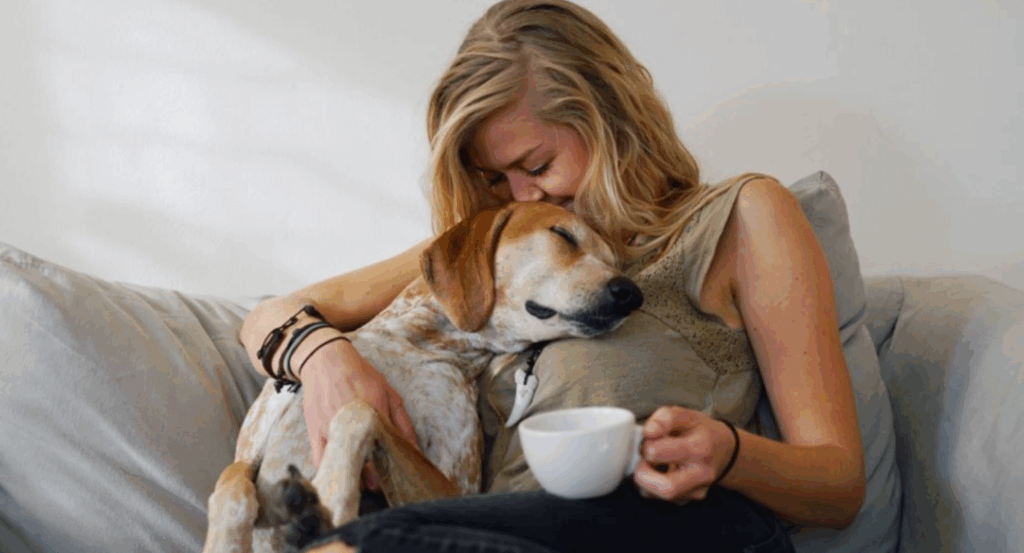
It’s generally advised not to wake a dreaming dog, especially if they appear to be having a nightmare. Sudden awakening can startle them and lead to confusion or even aggression. Instead, it’s best to let them sleep through their dreams.
The Importance of Sleep and Dreams for Dogs
Health Benefits
Sleep is essential for dogs, just as it is for humans. It plays a vital role in their overall health and well-being. Some benefits of adequate sleep include:
- Memory Consolidation: Sleep helps dogs process and retain information from their waking hours.
- Physical Recovery: Sleep allows the body to repair itself, which is crucial for active dogs.
- Emotional Stability: A well-rested dog is generally more balanced and less prone to anxiety.
Creating a Comfortable Sleep Environment
To ensure your dog gets quality sleep, consider the following tips:
- Comfortable Bedding: Provide a cozy bed that supports their joints.
- Quiet Space: Create a calm environment free from disturbances.
- Routine: Establish a consistent sleep schedule to help your dog feel secure.
Signs Your Dog Is Dreaming
Physical Indicators
When dogs enter the REM stage of sleep, they may exhibit several physical signs that indicate dreaming:
- Twitching: Their legs may move as if they are running.
- Vocalizations: Soft barks or whines can be heard.
- Eye Movements: Rapid movements of the eyes beneath closed lids.
Behavioral Changes
In addition to physical signs, you may notice behavioral changes when your dog is dreaming:
- Relaxed Body: Their body may appear loose and relaxed.
- Breathing Patterns: Breathing may become irregular or shallow during REM sleep.
How to Interpret Your Dog’s Dreams
Understanding Their Day
To gain insight into what your dog might be dreaming about, consider their daily activities. Reflect on:
- Playtime: Did they have a particularly exciting play session?
- Walks: Did they encounter new sights or smells during their walks?
- Interactions: Were there any memorable interactions with other dogs or people?
Keeping a Dream Journal
While it may sound unconventional, keeping a dream journal for your dog can be a fun way to track their behaviors and experiences. Note any unusual sleep behaviors and correlate them with their daily activities. Over time, you may notice patterns that provide clues about their dreams.
How Age and Size Affect What Dogs Dream About
Puppies vs. Adult Dogs
Puppies tend to dream more frequently than adult dogs. This is likely due to their rapid learning and exploration during their formative months. As they process new experiences, their dreams may reflect their daily adventures.
Size Matters
Interestingly, the size of a dog may also influence their dreaming patterns. Smaller breeds often dream more frequently than larger breeds. For instance, a toy breed may dream every 10 minutes, while a larger breed might dream less often but for longer durations.
Conclusion: Embracing the Mystery of What Dogs Dream About
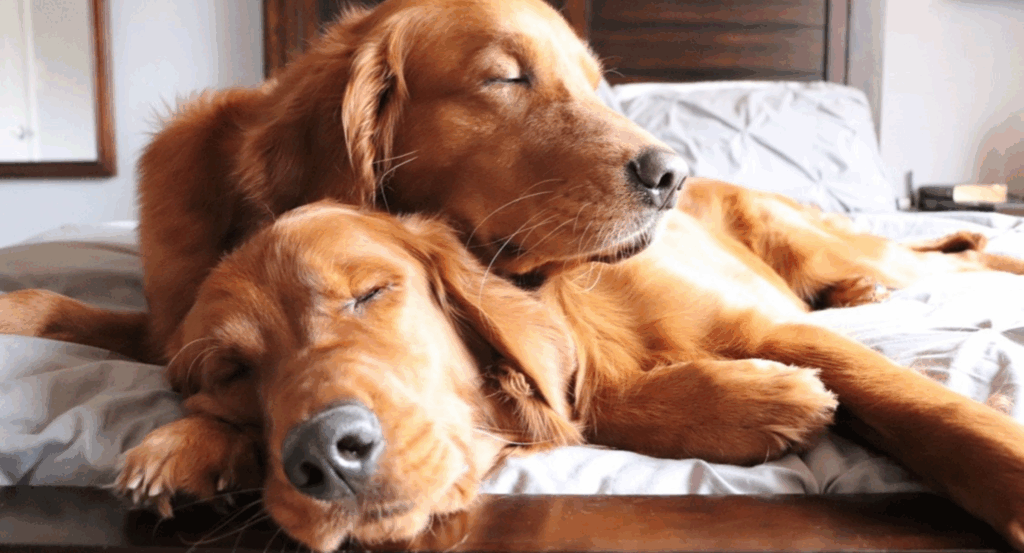
While we may never fully understand what dogs dream about, it’s clear that they do experience dreams that reflect their daily lives and emotions. By observing their sleep behaviors and considering their experiences, we can gain a deeper appreciation for the rich inner lives of our canine companions. So the next time you see your dog twitching in their sleep, remember that they might just be off on an exciting adventure in their dreams.
This article provides a comprehensive overview of what dogs dream about, incorporating scientific insights and practical advice for dog owners. By understanding the dreaming process, we can foster a deeper bond with our furry friends and ensure they have the restful sleep they need for a happy, healthy life.